


 English
 中文简体
中文简体 русский
 Español
 Deutsch
 عربى
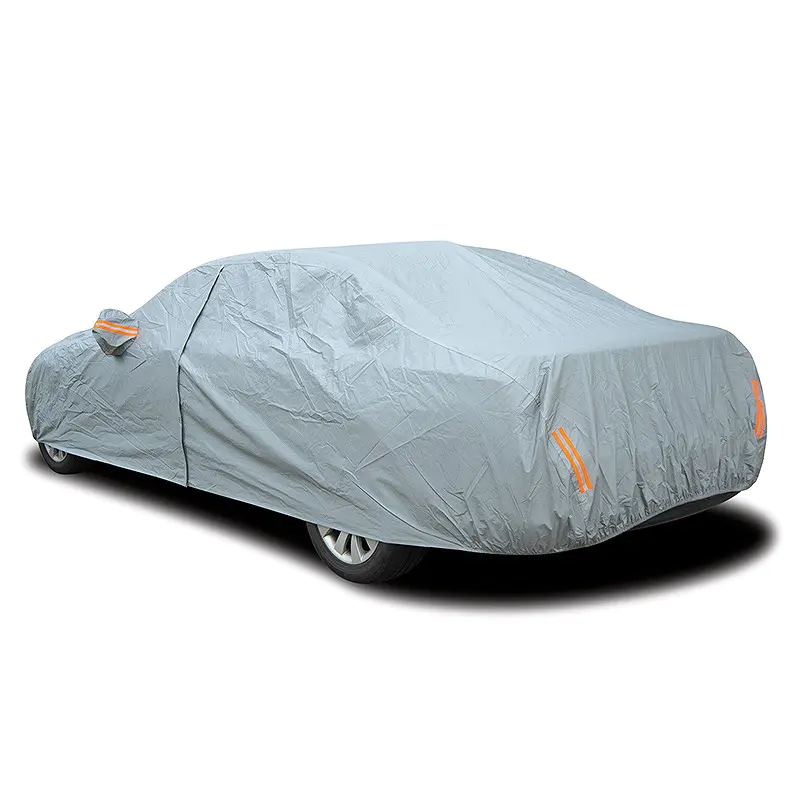
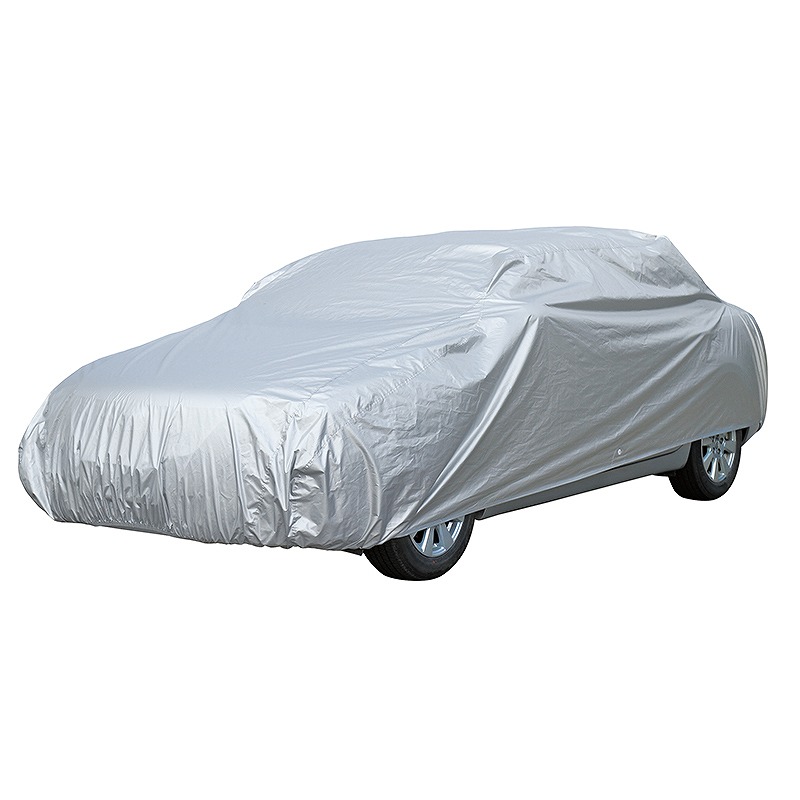
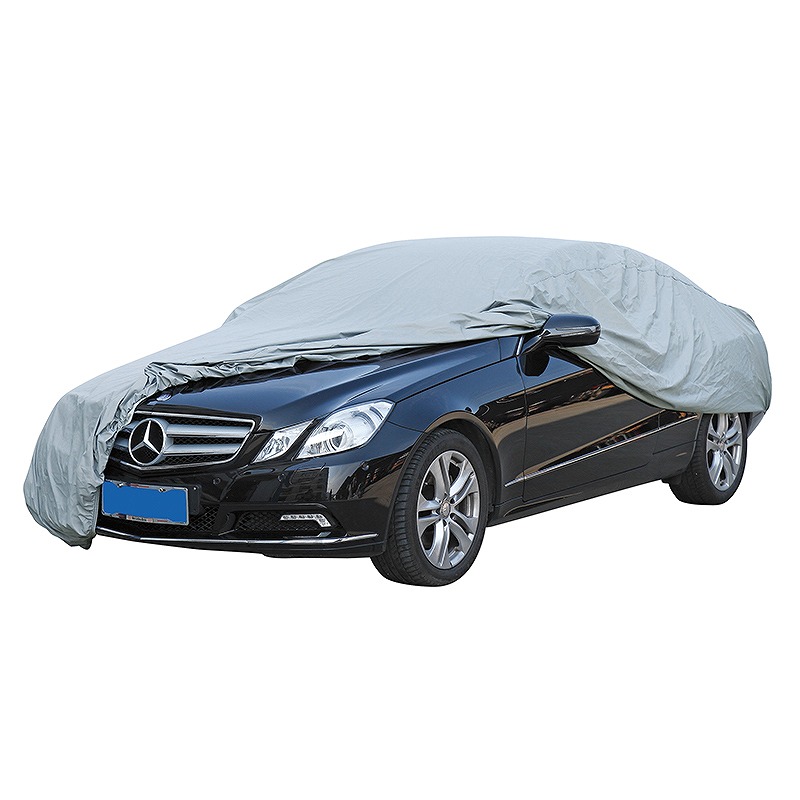
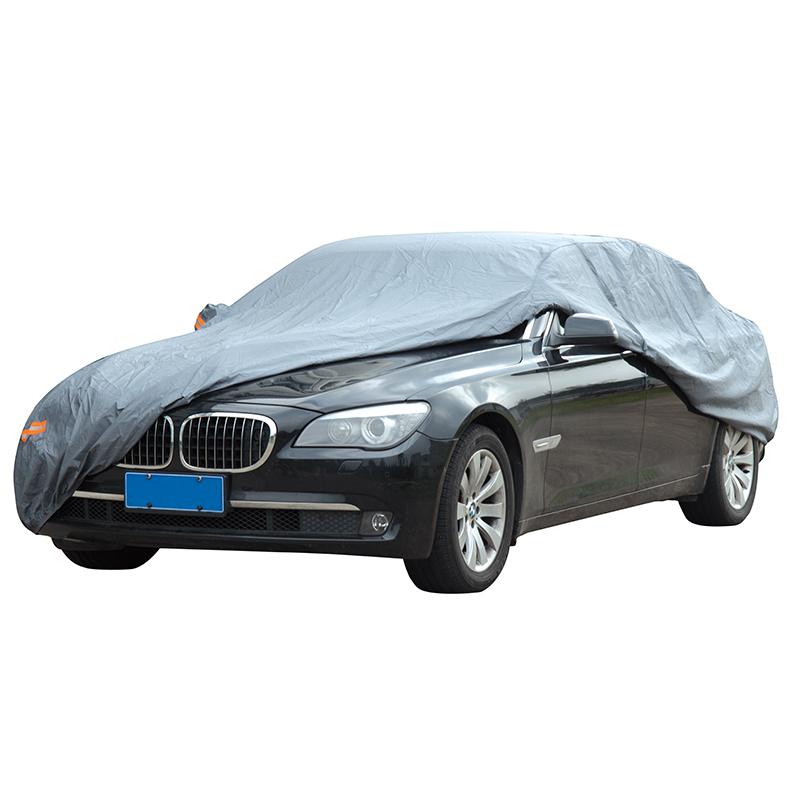
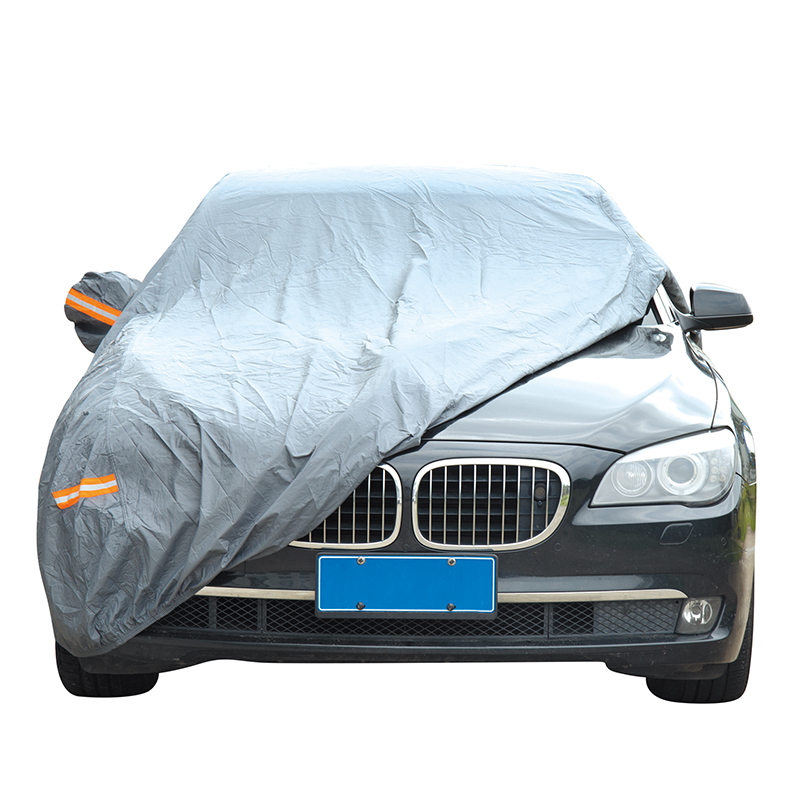
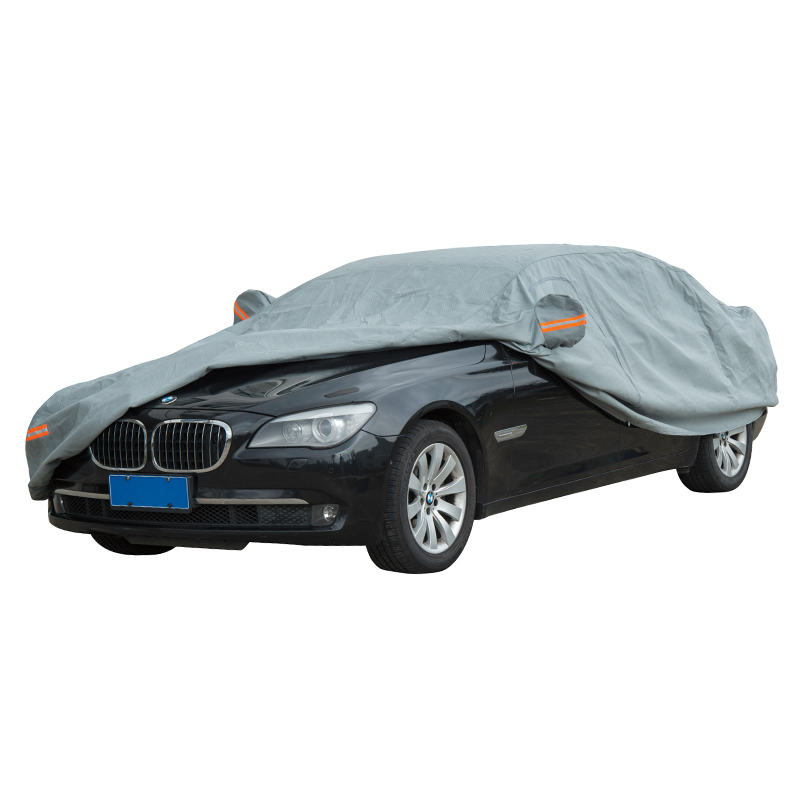
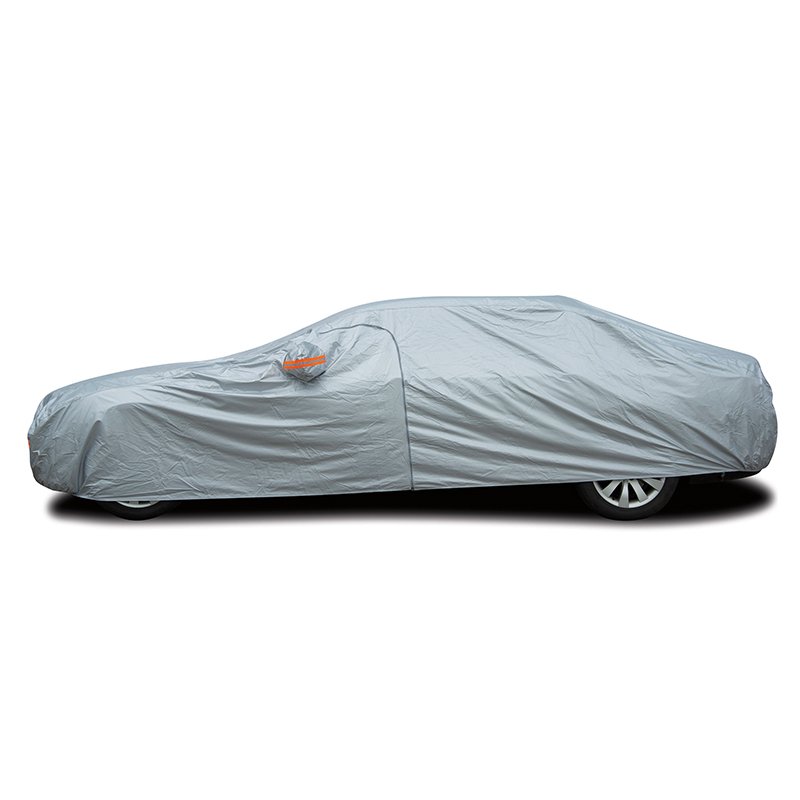
عربىWhen considering car accessories, both aesthetics and usability play a role in the choices made by vehicle owners. Insights from a Car Cover Factory and a Car Seat Cover Factory reveal how products can reflect personal style while remaining functional for everyday use. Understanding the balance between design and practicality helps beginners and regular users select covers that suit both appearance and daily routines.
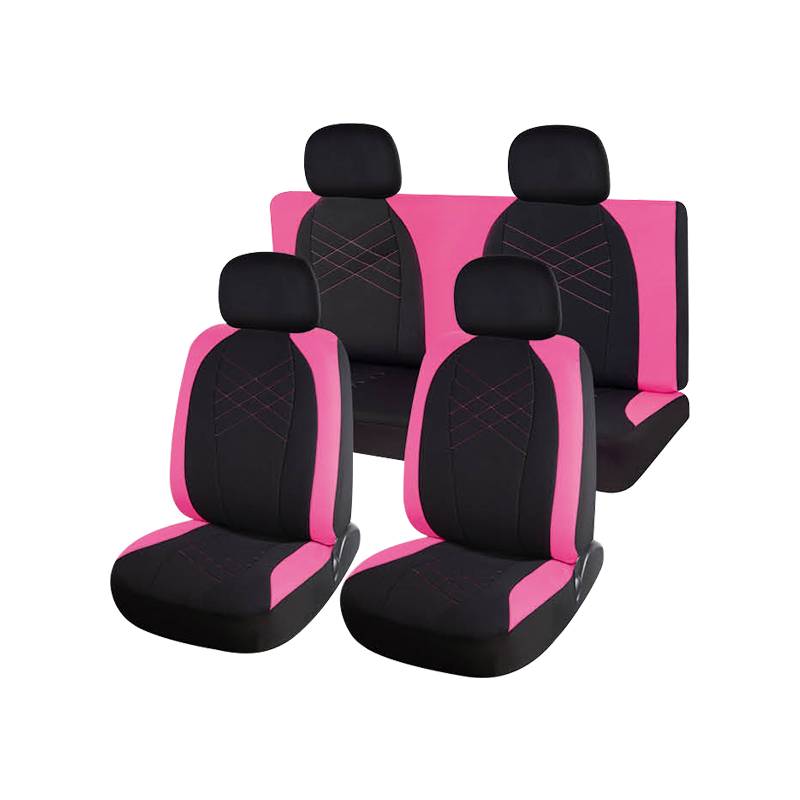
Selecting Materials That Combine Look And Function
One important factor is material selection. Car seat cover factories often provide guidance on fabrics that offer a combination of visual appeal and ease of maintenance. Leather-like surfaces may convey a polished look, whereas woven textiles can add texture and warmth. Factories advise evaluating how materials react to daily use, such as wear, exposure to sunlight, or contact with liquids. This helps users choose covers that retain their appearance over time without creating extra care requirements.
Considering Patterns And Color Options
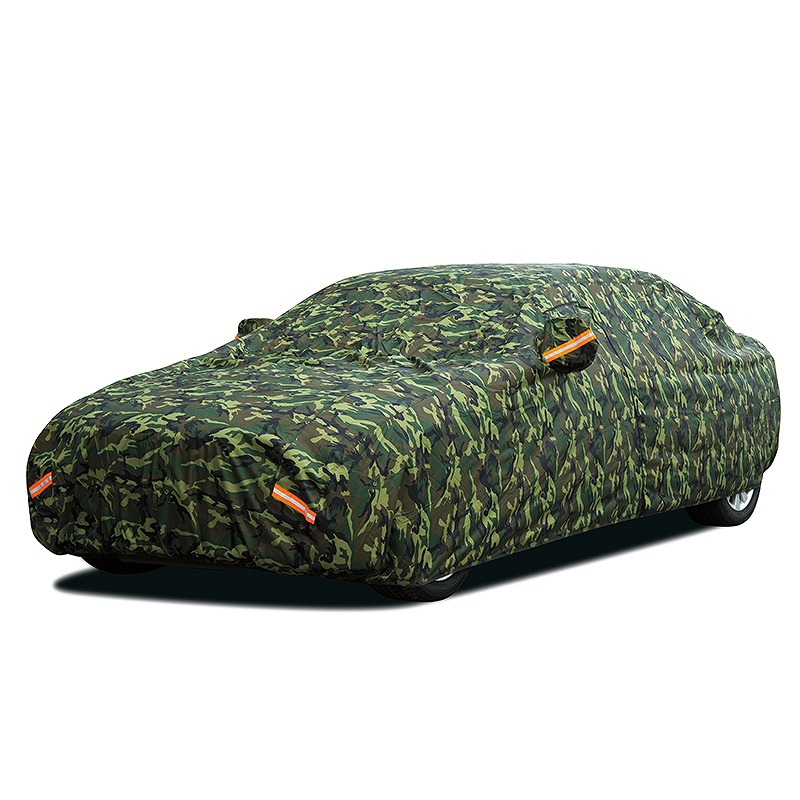
Beyond material, patterns and colors influence both style and practicality. Car cover and seat cover factories typically offer a range of tones and designs, from subdued shades to brighter accents. Guidance on color coordination helps ensure that covers complement the interior of the vehicle. Certain patterns may also help conceal minor stains or wear, offering a subtle functional benefit while supporting the desired aesthetic.
Addressing Fit And Installation
Proper fit is another area where style and practicality intersect. Factories provide instructions and tips to ensure covers align neatly with seats. Adjustable straps, elastic edges, or pre-shaped designs contribute to a smooth appearance and prevent shifting during use. A well-fitted cover preserves both the visual lines of the interior and the ease of getting in and out of the vehicle, demonstrating a practical application of style considerations.
Balancing Cleaning And Upkeep
Practicality also extends to cleaning and maintenance. Factories guide users on appropriate methods for each material type, suggesting gentle cleaning for delicate fabrics and spot cleaning for minor spills. Understanding these care instructions helps maintain both appearance and usability. Covers that are easy to clean allow users to enjoy the chosen style without frequent adjustments or concerns about stains.
Incorporating Functional Features
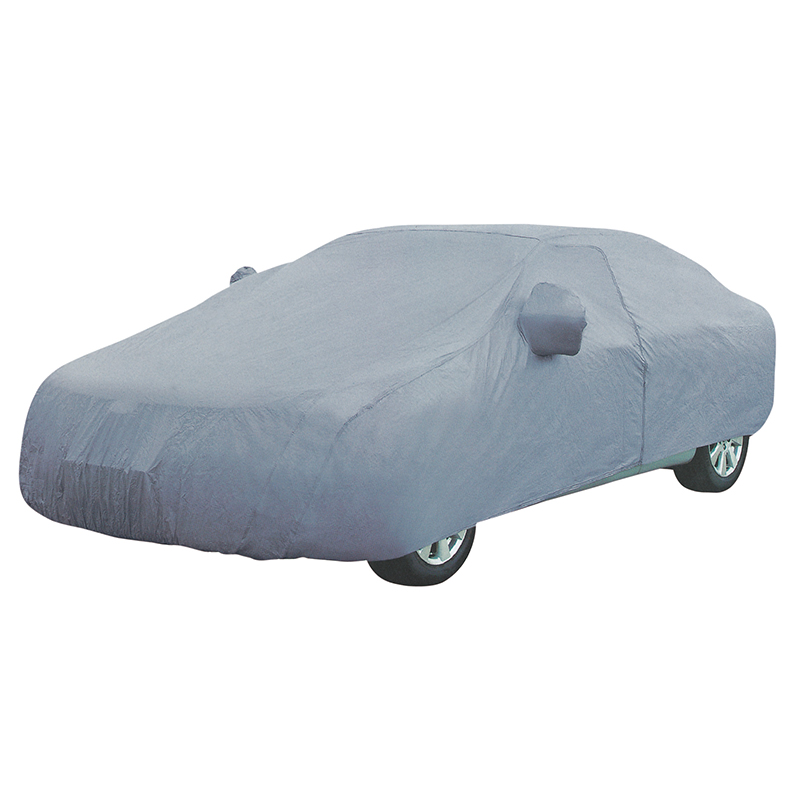
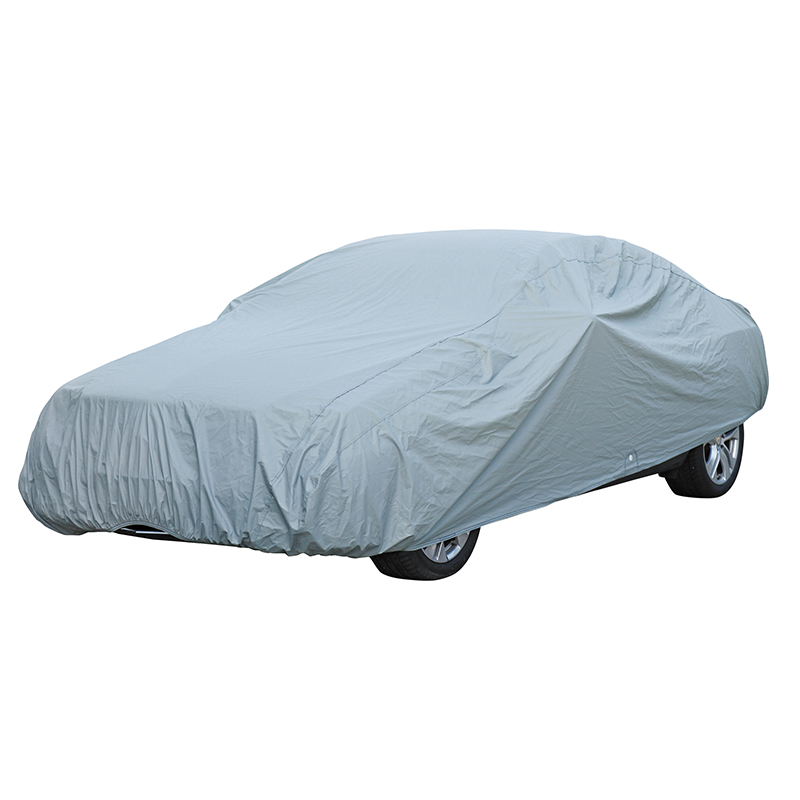
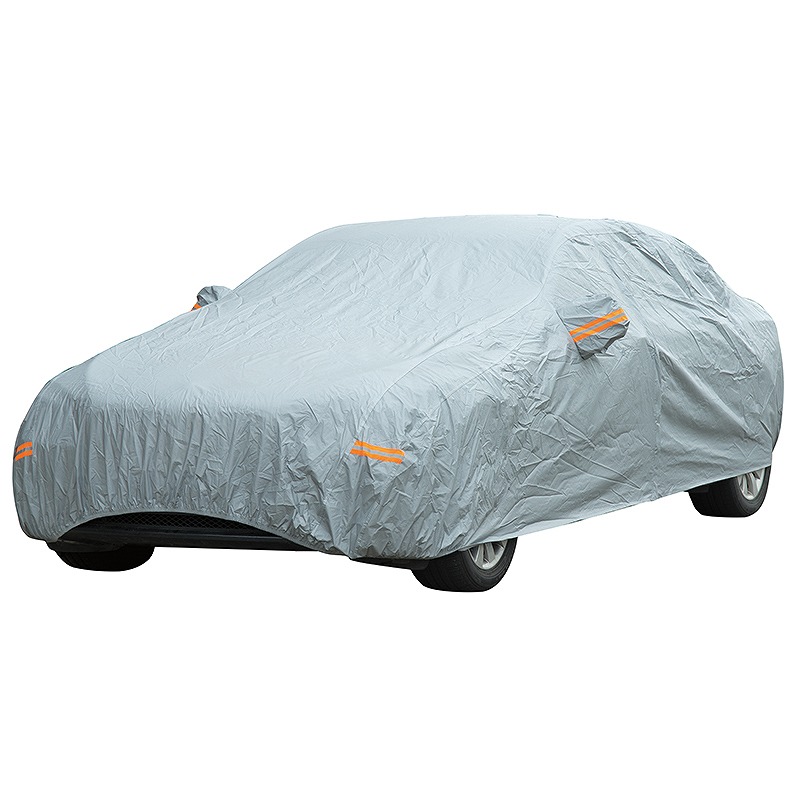
Functional elements often enhance the combination of style and practicality. Car seat cover factories may recommend features such as hidden pockets, reinforced stitching, or non-slip backings. While these additions are practical, they can also be integrated in ways that support a neat and organized look. Similarly, lightweight or foldable car covers provide protective benefits without detracting from the vehicle’s appearance when in use.
Considering Environmental And Seasonal Factors
Factories also highlight how environmental conditions influence material choice and design. Breathable fabrics may offer comfort during warm periods, while water-resistant options help in rainy climates. Choosing covers suited to the vehicle’s primary environment ensures they remain useful and visually consistent throughout seasonal changes, helping users manage both practicality and style expectations.
Learning From Observed Practices
Advice from factories often includes observations from users or patterns in popular designs. Beginners can gain insights from how others combine materials, colors, and features to create functional yet visually appealing interiors. These practical examples show that style does not need to compromise usability, and vice versa.
 +86 576-83710338
 +86 576-83711188
 No.1 Market Road,Tantou Industrial Zone,Tiantai County, Taizhou City, Zhejiang, China
