


 English
 中文简体
中文简体 русский
 Español
 Deutsch
 عربى
عربىDriving, especially over long periods, places specific physical demands on the body that standard car seats are not always equipped to meet. In this context, a professional seat cushion factory applies focused research and development to address these ergonomic challenges. Similarly, a car cover manufacturer contributes to the broader ecosystem of vehicle care by offering solutions that protect the integrity of a car’s interior. Understanding the approach behind these products can clarify their role in supporting well-being during travel.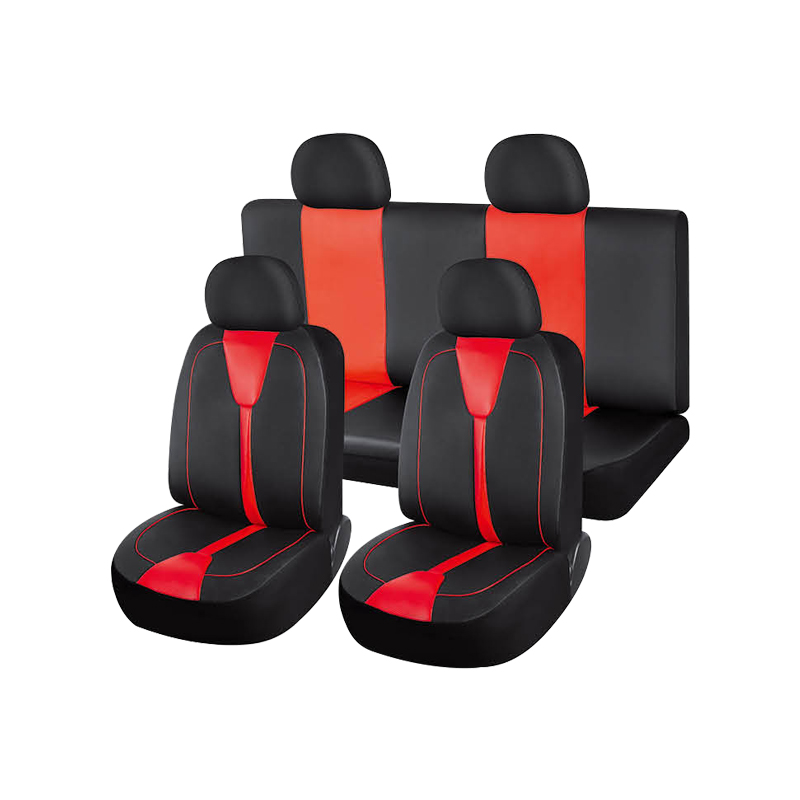
The Foundation of Ergonomic Design: Beyond Basic Cushioning
A professional seat cushion factory begins with an analysis of human anatomy in the driving position. Ergonomics is not merely about softness; it is about providing appropriate support to maintain the body’s natural alignment. Factory designers and engineers study pressure distribution, noting how body weight concentrates on the ischial tuberosities (sitting bones) and the lumbar region. Their goal is to create contours and support systems that help distribute this pressure more evenly. This involves shaping products to offer gentle, consistent support to the lower back, promoting a healthier seated posture that can mitigate slouching and the associated strain on spinal discs and muscles. The outcome of this process is a product designed to interact thoughtfully with the body’s structure over extended periods.
Material Science and Pressure Management
The selection and engineering of materials are central to how a seat cushion factory translates ergonomic principles into tangible products. Different materials serve distinct purposes. High-density foams, for instance, offer durable support that resists bottoming out, while viscoelastic foam (often called memory foam) contours to the body’s shape to help alleviate pressure points. Some factories incorporate gel inserts or channeled airflow designs to address heat dispersion, a common comfort concern. The innovation lies in combining these materials in layered constructions. A top comfort layer may provide initial softness, a middle transition layer might offer contouring, and a firm base layer ensures lasting support. This stratified approach allows the cushion to respond to the user’s shape while maintaining its supportive structure throughout a journey.
Integration with the Vehicle Environment
A significant consideration for a professional seat cushion factory is how its product integrates with the existing vehicle seat. An effective ergonomic accessory should complement the seat’s built-in features, not hinder them. This involves considerations for secure fitment—using non-slip bases or attachment straps to prevent shifting during driving—and profile design that does not interfere with seatbelt placement or side airbags. Furthermore, the factory must account for different vehicle seat styles, from flat benches to heavily bolstered sport seats. By designing products that adapt to various environments, the factory ensures that the ergonomic benefits are accessible and function as intended across a wide range of vehicles, making the support consistent and reliable.
The Role of Protection in Sustaining Ergonomics
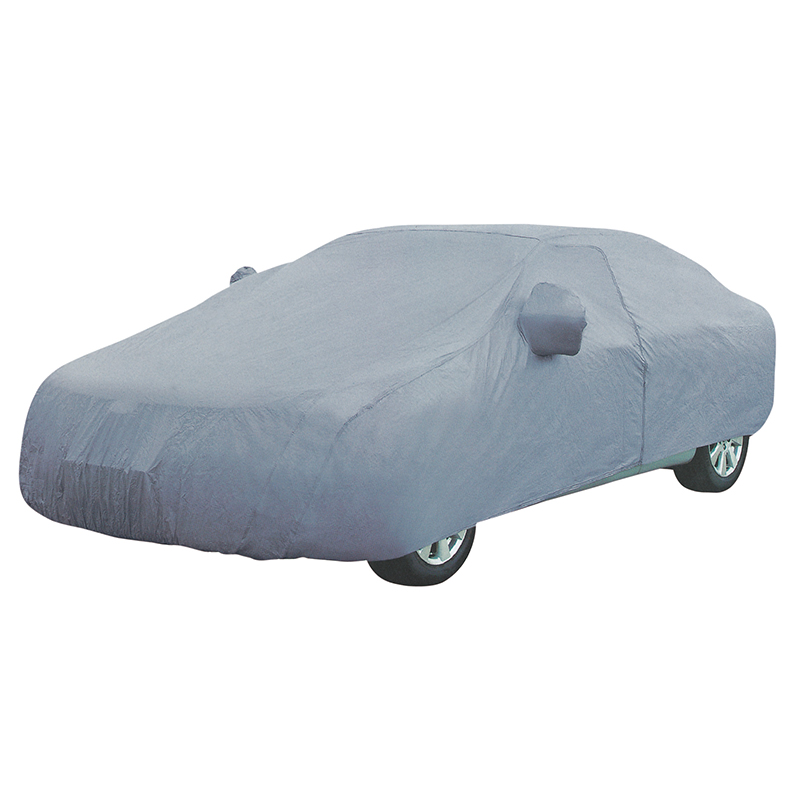
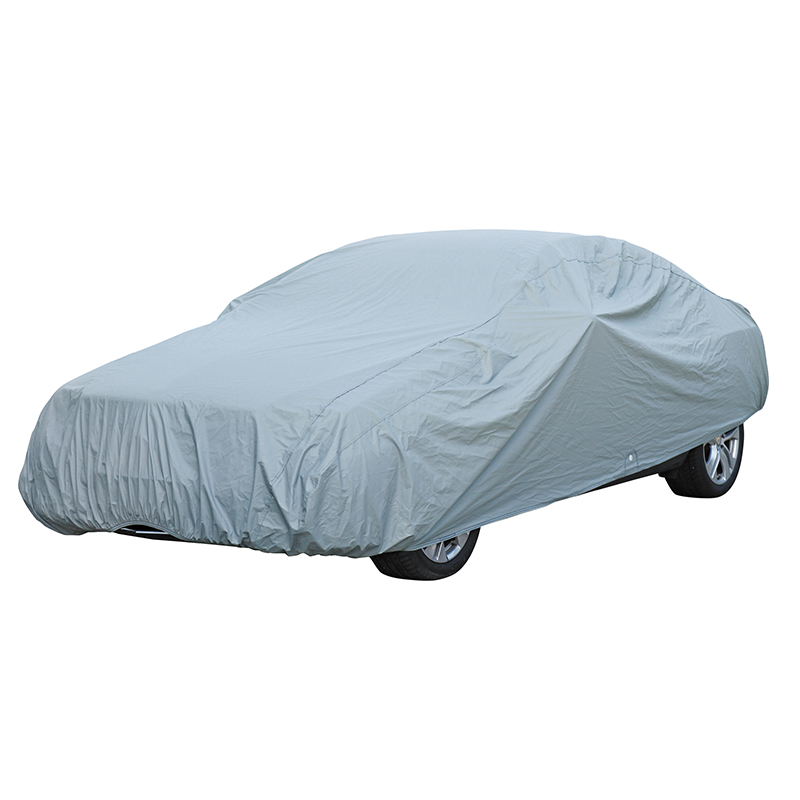
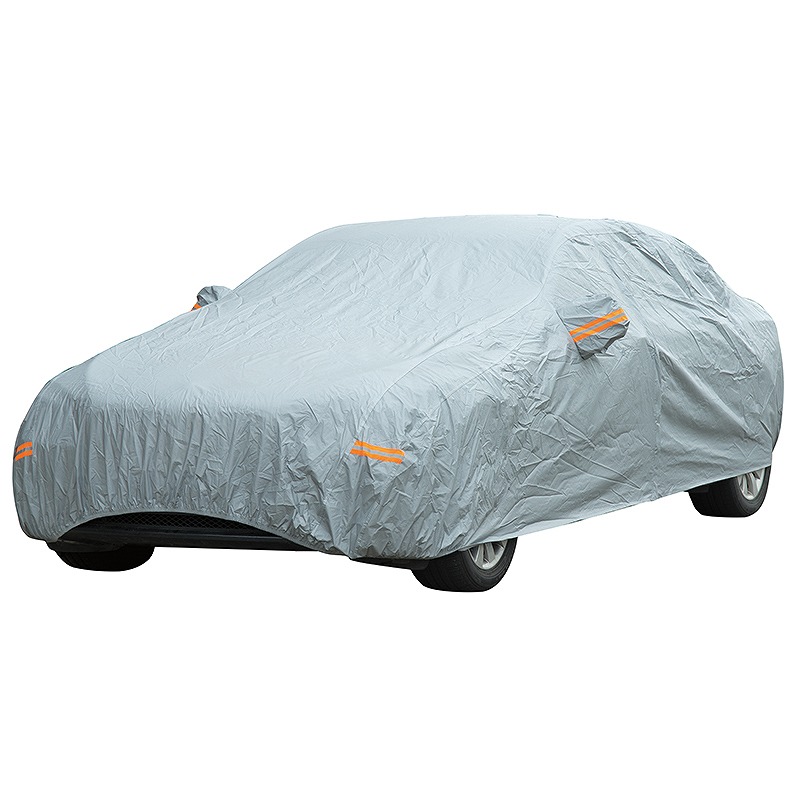
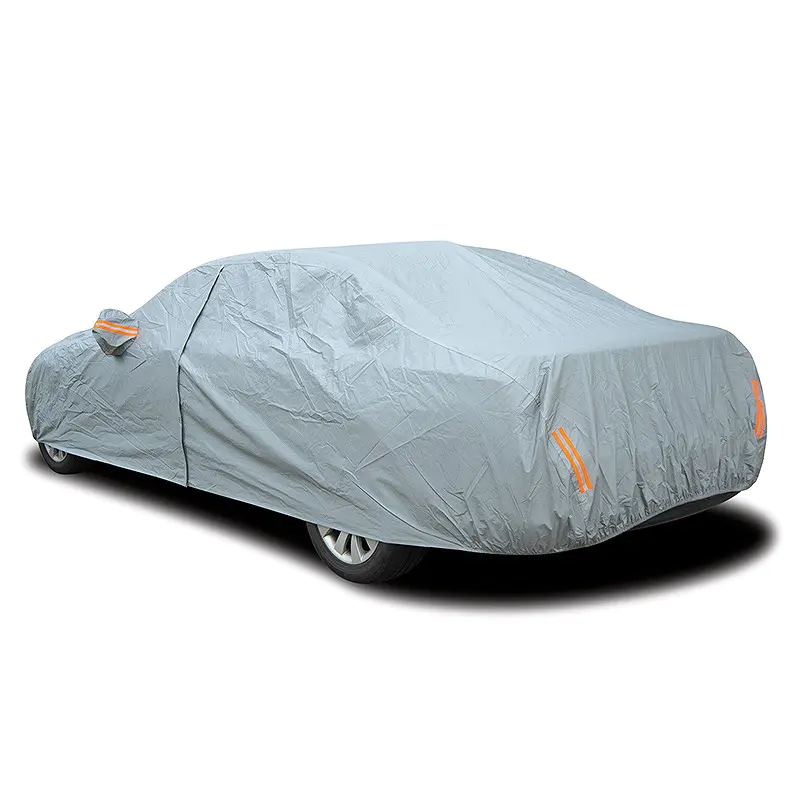
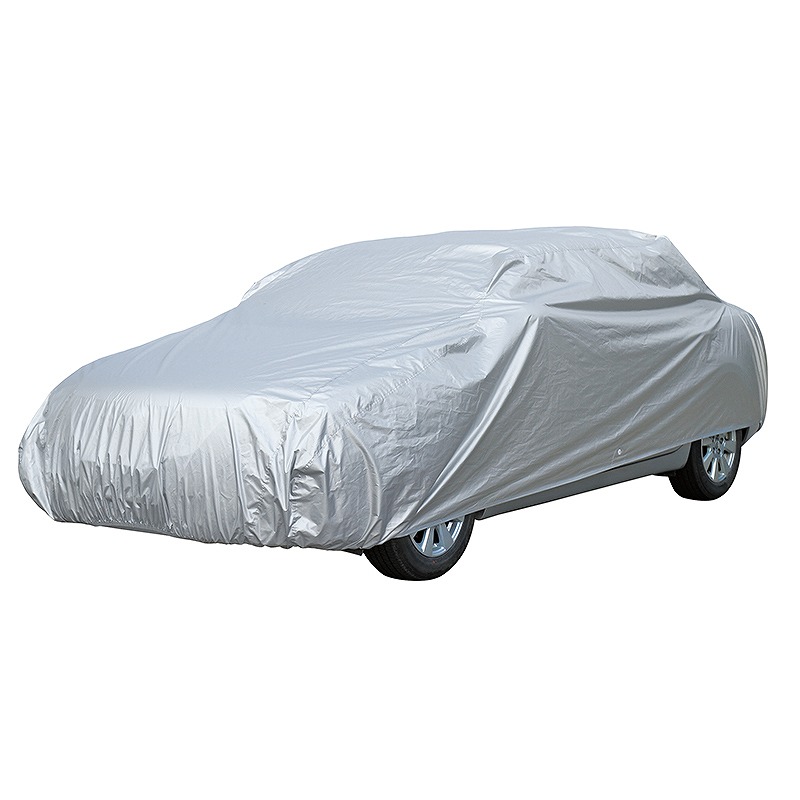
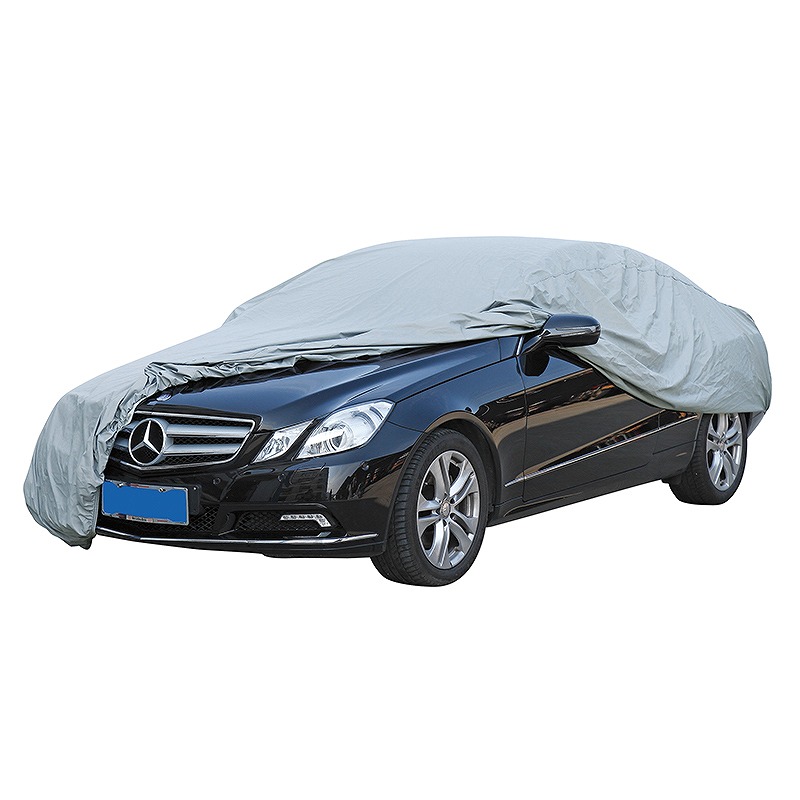
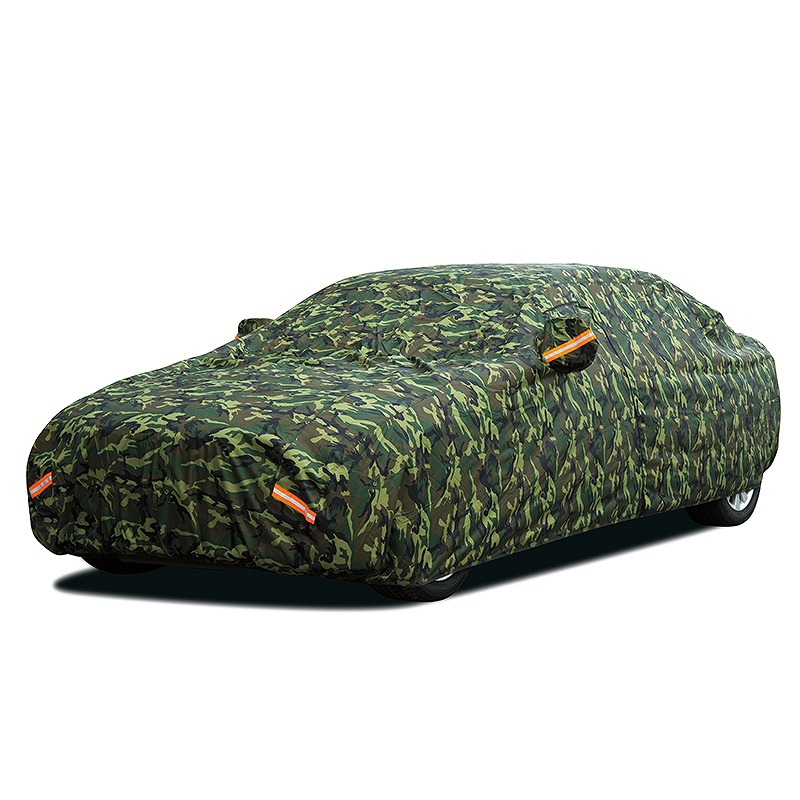
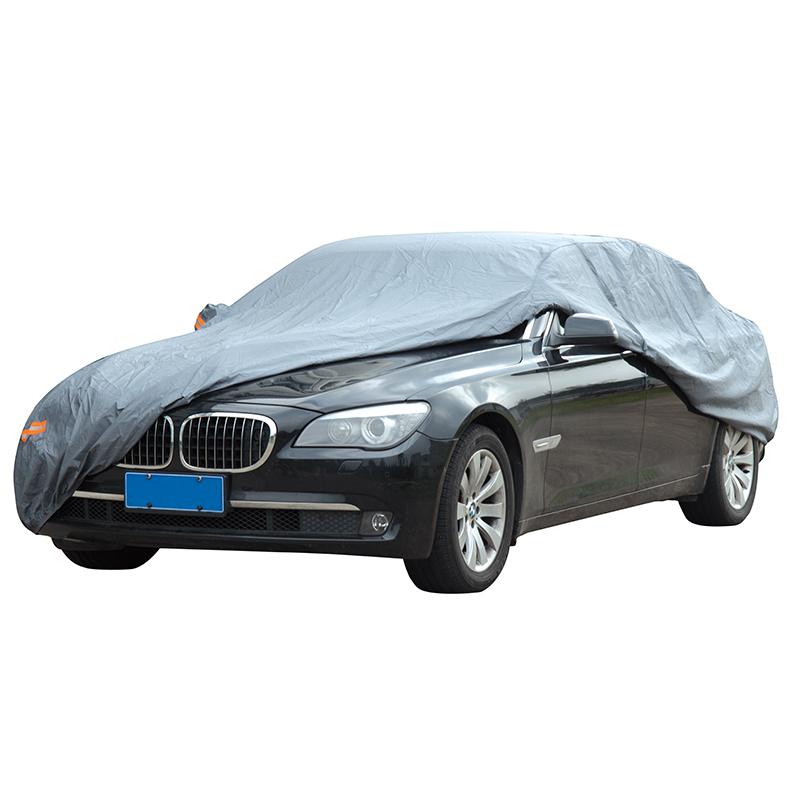
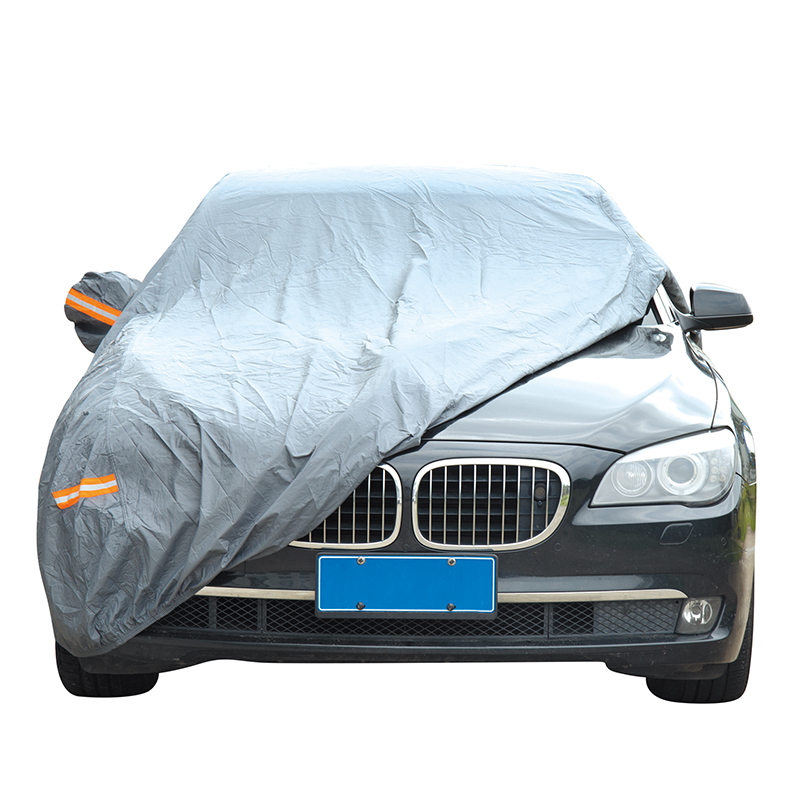
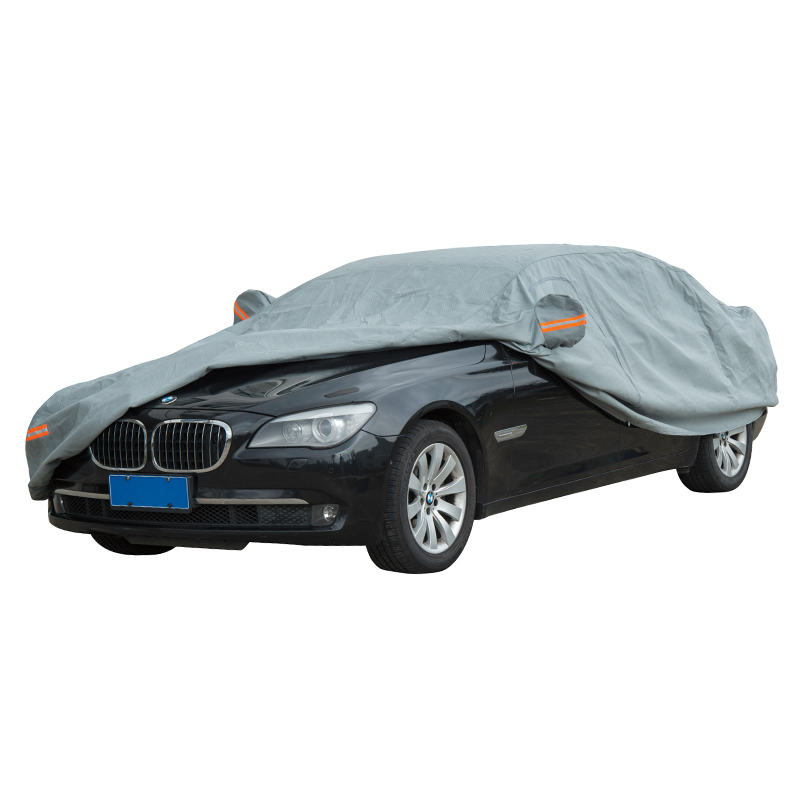
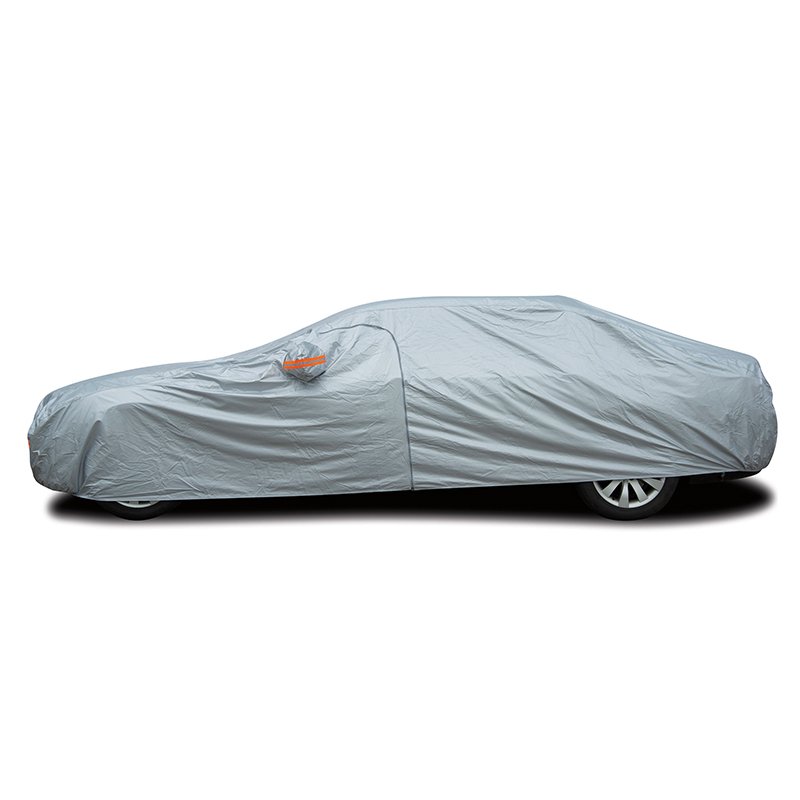
While a seat cushion factory focuses on the driver’s immediate interface with the vehicle, a car cover manufacturer addresses factors that preserve the vehicle’s inherent ergonomic value. A car’s original seats are designed with specific support profiles and padding integrity. Over time, exposure to sunlight can degrade upholstery materials, causing them to crack and harden, while spills and wear can compress padding. By producing quality protective covers, a car cover manufacturer helps shield these critical components. Interior seat covers or full car covers that block ultraviolet rays help maintain the suppleness and supportive quality of the factory upholstery. This preservation effort supports long-term comfort, ensuring that the vehicle’s primary seating remains a good foundation, whether used on its own or with an added cushion for personalized support.
Selecting Suitable Ergonomic Solutions
For individuals seeking to enhance driving comfort, evaluating products requires attention to personal needs and product design. When considering offerings from a seat cushion factory, examine the stated ergonomic goals. Does the design target lumbar support, general pressure relief, or postural alignment? Review the material composition and construction layers to gauge how they might address your specific discomfort points. Consider your typical driving duration and climate, as material performance can vary with temperature. In parallel, assessing products from a car cover manufacturer involves identifying your vehicle’s primary risks. If interior fade and material degradation are concerns, a cover with substantial UV protection would be a relevant consideration. The aim is to make informed choices that create a supportive and durable in-car environment.
The journey toward improved driving comfort is supported by specialized knowledge and product development. A professional seat cushion factory contributes through a dedicated focus on anatomical support and material innovation, aiming to make extended time on the road more comfortable. When paired with the protective solutions offered by a car cover manufacturer, which aim to sustain the vehicle’s interior condition, drivers have access to a more complete approach to in-car well-being. This combination of immediate support and long-term preservation reflects a practical understanding of the factors that influence comfort behind the wheel.
 +86 576-83710338
 +86 576-83711188
 No.1 Market Road,Tantou Industrial Zone,Tiantai County, Taizhou City, Zhejiang, China
