


 English
 中文简体
中文简体 русский
 Español
 Deutsch
 عربى
عربىA growing number of office furniture brands begin exploring cooperation with a Seat Cushion Manufacturer or a specialized Seat Cushion Factory when they notice shifts in workplace usage patterns and customer expectations. Rather than relying solely on standard foam inserts or generic padding suppliers, these brands look for solutions that fit long-term comfort needs, evolving workstation layouts, and the demand for diversified cushion materials. This decision often emerges when their existing supply chain or outdated cushion designs no longer match new office seating trends.
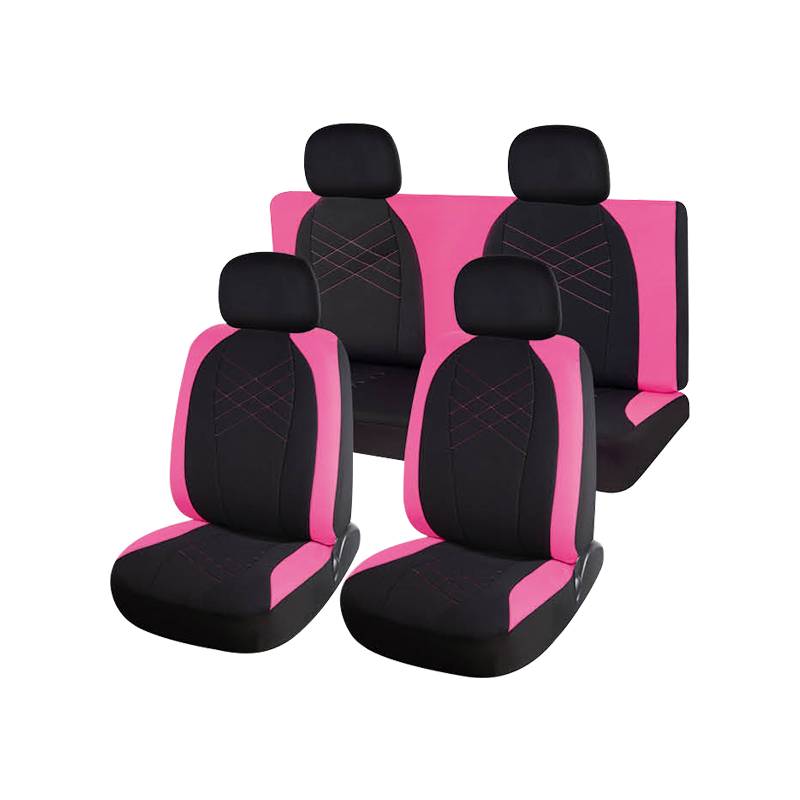
Changing Workplace Habits Encourage Updated Cushion Requirements
Office environments today are shaped by hybrid work models, shared seating, and multi-purpose workstations. When users alternate between home and office, furniture brands find that comfort expectations become more varied. A Seat Cushion Manufacturer can respond with material combinations that ease pressure over extended hours, adapt to different user weights, or align with flexible furniture structures.
A Seat Cushion Factory also helps brands adjust thickness, density levels, surface fabrics, and support zones based on updated ergonomic findings. Many brands notice that their earlier cushion models no longer match the longer sitting durations seen in call centers, co-working hubs, or team collaboration rooms. At this stage, external technical support becomes valuable, especially when internal testing facilities cannot cover all possible scenarios.
New Material Trends Push Brands Toward Professional Production Partners
Foam formulation, gel-infused layers, molded structures, and blended fiber options change frequently. Office furniture companies often find it challenging to keep up with such fast material development while maintaining stable supply. A professional manufacturer that focuses on cushions usually tracks material performance data, fabric durability, and user feedback on different cushion types.
Brands tend to seek a Seat Cushion Manufacturer when they introduce new chair series and want cushions that fit specific design targets. For example, a slim office chair frame may need a shaped cushion, while a wide executive chair may require reinforced edges. Factories can produce experimental samples, adjust shaping molds, or recommend fabrics that match fire safety requirements, ensuring each batch meets consistent specifications without causing delays in broader production schedules.
Cost Planning and Inventory Management Influence Manufacturer Decisions
Working with a Seat Cushion Factory allows office furniture brands to better understand cost forecasting related to cushion production. Internal manufacturing lines often struggle with small-batch adjustments, frequent design changes, or rising raw material prices. A specialized factory provides clearer cost breakdowns linked to density choices, foam category, stitching methods, and outer cover materials.
Some brands also turn to external manufacturers when they need flexibility in order quantities. During peak seasons, in-house production may not respond fast enough. For long-term partnerships, this helps brands avoid excessive storage while keeping supply stable.
Design Upgrades and Customization Requirements Trigger External Collaboration
Office seating design cycles are becoming shorter, and brands sometimes need unique cushion shapes to match new chair styles. When the internal team cannot supply customized solutions quickly, a Seat Cushion Manufacturer becomes a practical option. Such manufacturers handle customized mold development, varied stitching patterns, or cushion covers tailored to specific color palettes.
In addition, when a brand launches high-volume orders for large projects—such as government procurement, educational institutions, or enterprise renovations—it may require cushions that meet particular standards on firmness, breathability, or fabric resistance. A Seat Cushion Factory typically maintains testing methods for compression recovery, fabric pilling, and long-term use simulation, supporting brands in meeting project specifications without disrupting regular orders.
Quality Stability Concerns Encourage Brands to Seek Professional Support
As office seating becomes more modular, detachable seat cushions are increasingly common. Brands may notice variations in quality when components come from multiple suppliers. Turning to a dedicated Seat Cushion Manufacturer helps unify thickness tolerances, stitching lines, and foam behavior across different chair models.
When complaints arise regarding uneven sinking, reduced comfort over time, or fabric fraying, brands often consult external factories to investigate causes. These factories can assess foam density deviation, temperature effects during storage, or mismatches between the inner core and the outer fabric. Such analysis helps prevent long-term issues and stabilizes product consistency.


 +86 576-83710338
 +86 576-83711188
 No.1 Market Road,Tantou Industrial Zone,Tiantai County, Taizhou City, Zhejiang, China
