


 English
 中文简体
中文简体 русский
 Español
 Deutsch
 عربى
عربىBringing consistent colors to large-volume upholstery orders often depends on a Seat Cushion Manufacturer and a Seat Cushion Factory that understand how fabrics, foams, coatings, and accessories behave during production. Many buyers only realize the importance of color stability when they begin scaling procurement, or when different batches of cushions show subtle differences after delivery. Understanding who relies on factory-level color control, and why, helps buyers make more informed choices before placing long-term orders.
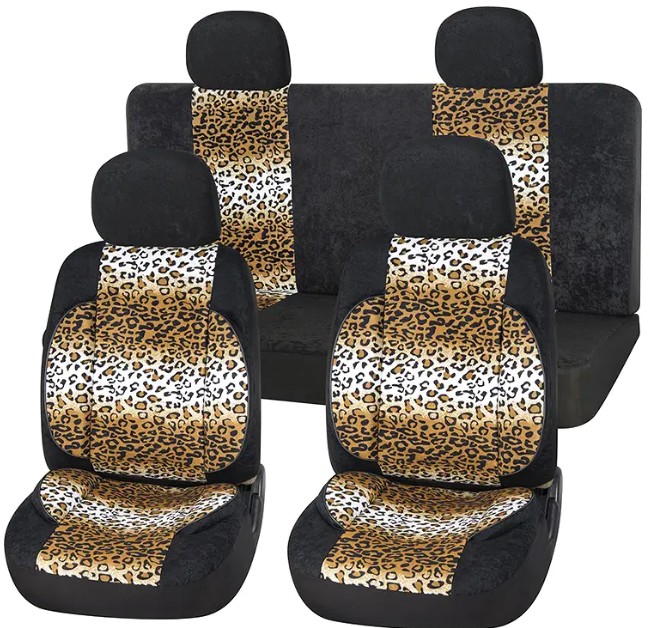
Why Large Retailers Pay Attention To Color Uniformity Across Batches
Retail chains operating home-use or automotive cushion sections often maintain seasonal product lines that repeat annually. These retailers rely heavily on consistent color matching because even small differences between batches may affect store presentation and customer perception. When they reorder the same SKU months later, they expect the materials to maintain the same shade, gloss level, and texture.
Factories that handle large-volume production usually create internal color files, dye-lot cards, and digital references to make sure the next batch aligns with the previous one. Retailers value this process because it reduces the chance of mismatched items spreading across multiple shelves or regions.
How Automotive Accessory Importers Manage Color Expectations
Importers handling steering wheel covers, car seat covers, seat cushions, and related interior accessories often request strictly controlled shade matching because their products are sold as complete interior sets. A mismatched cushion color immediately affects the coherence of the kit.
These buyers often work with several suppliers at once, so they rely on factories able to manage tone consistency across foam pieces, textile surfaces, mesh inserts, leatherette components, and injection-molded trims.
Factories familiar with this category typically use ultrasonic sewing, high-frequency pressing, and molding processes that do not alter the surface tone when exposed to heat or compression. Importers choose such factories to avoid rework, returns, or brand-side complaints caused by visible color differences.
Why E-Commerce Sellers Value Predictable Color Reproduction
Online sellers face a different challenge: product photos must match the physical item customers receive. Even minor shade changes can trigger negative reviews, which directly affect store visibility. As a result, many online sellers rely on factories with stable color-control procedures, including consistent material sourcing, fixed dye suppliers, and standardized mixing ratios.
E-commerce buyers often order smaller but frequent batches. They choose factories that keep material records long enough to reproduce the exact shade again, even when a new batch is placed after a seasonal gap. Stable documentation helps these buyers avoid revising product photos or rewriting listings each time a new shipment arrives.
How International Brands Coordinate With Factories To Maintain Color Harmony
Brands selling cushions as part of a wider interior or automotive line usually develop unified palettes for the entire collection. They rely on seat cushion production partners to align their color system with accessories such as mats, covers, or storage organizers.
To achieve this, factories often invest in visual assessment cabins, controlled-light environments, and sample plates. The goal is not to promise flawless precision but to create procedures that keep long-term suppliers and brands aligned.
International brands also tend to run periodic audits, checking whether the factory uses the same textile suppliers, the same resin formulations for molded parts, and the same finishing materials. Factories that maintain long-term relationships with color-material vendors help brands keep year-round consistency.
Why OEM/ODM Customers Often Require Extra Coordination
Buyers who request custom mold shapes, unique fabric textures, or exclusive prints need careful color coordination between the design stage and mass production. Factories providing OEM/ODM services usually run additional steps such as small-lot trial dyeing, sample stitching, aging tests under light exposure, and coating stability checks.
These extra steps allow the factory to note how the color behaves during sewing, pressing, or molding. OEM/ODM clients value these details because custom pieces cannot be replaced easily, and correcting mismatches often means restarting the entire process.
How Factories Manage Color Matching Throughout Production
Color stability depends on several factors that buyers often overlook. Experienced factories treat it as a continuous system rather than a single check:
Material Selection: Even fabrics with the same shade card can look slightly different depending on fiber type. Factories track how different yarn structures reflect light and adjust accordingly.
Equipment Influence: High-frequency machines, ultrasonic sewing machines, and welding machines generate heat that may affect coatings or surface gloss. Factories familiar with these effects know how to control temperature or pressure to keep the color tone consistent.
Batch Control: Factories that produce large quantities schedule dye-lot batches together to avoid shade variation caused by supplier mixing differences.
Quality Systems: Certifications such as ISO9001:2000 help factories maintain documented processes, regular inspections, and consistent production records. These factors directly support color alignment without using promotional language.
Because each production step has a measurable effect, factories with structured management and clear procedures are better able to reproduce the intended color across multiple orders.





 +86 576-83710338
 +86 576-83711188
 No.1 Market Road,Tantou Industrial Zone,Tiantai County, Taizhou City, Zhejiang, China
