


 English
 中文简体
中文简体 русский
 Español
 Deutsch
 عربى
عربىGrowing interest in comfort-focused outdoor gear has encouraged many brands to work directly with a Seat Cushion Manufacturer and a Seat Cushion Factory when developing new fabric options. As outdoor activities expand into camping, gardening, travel, and vehicle-related leisure, companies seek materials that handle frequent use while remaining practical for mass production. Understanding why outdoor brands collaborate with cushion factories helps buyers choose suitable partners for fabric development and long-term sourcing.
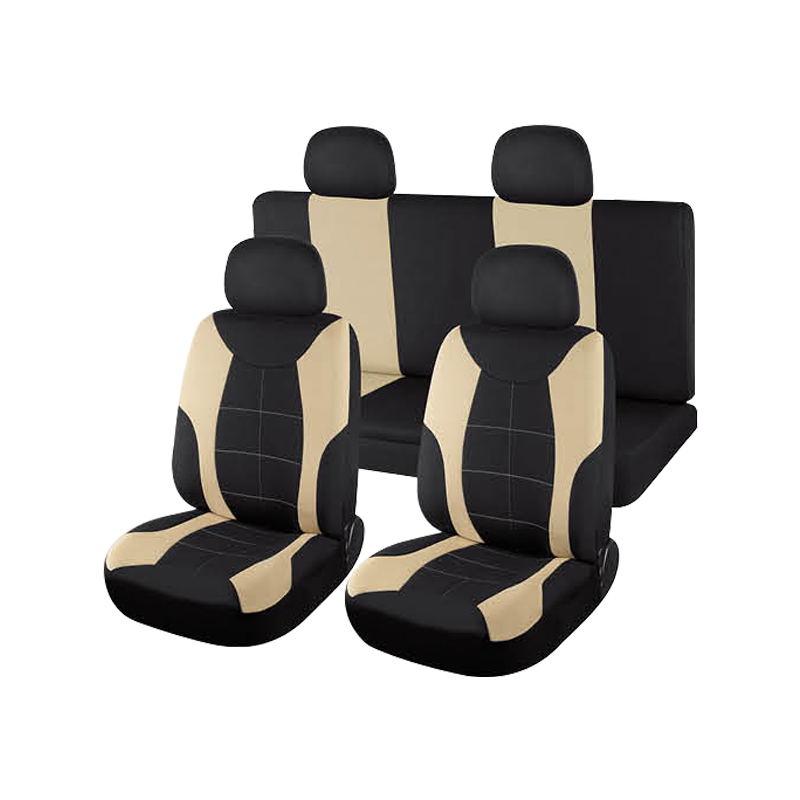
How Outdoor Activity Trends Influence Fabric Requirements
Outdoor brands monitor how people use cushions during camping, fishing, picnics, and daily commuting. These activities expose cushions to sunlight, moisture, dust, and repeated folding. As lifestyle habits change, brands require fabrics that balance comfort with practical durability.
Seat cushion production facilities have long handled various textiles, from mesh and leatherette to woven fabrics and coated surfaces. Their experience in handling different material structures makes them a logical partner when outdoor brands explore new fabric types. These factories understand how textiles react to sewing, high-frequency pressing, welding, or molding processes, which helps brands evaluate whether a fabric suits mass production.
Why Fabric Testing at Cushion Factories Attracts Outdoor Brands
Before new fabrics reach the market, outdoor brands often need performance-related insights, such as color retention under sunlight, resistance to frequent handling, or how the surface behaves after compression. Cushion factories already operate equipment and workflows that simulate real usage environments.
Factories conducting testing during cutting, sewing, and assembly stages can provide practical feedback about fraying risks, stitch stability, foam adhesion, or compatibility with molded parts. Such insights shorten development cycles, preventing brands from selecting fabrics that become difficult to sew or maintain during high-volume production.
How Cushion Factories Handle Material Compatibility
Many outdoor cushions use multiple layers—textiles, foam pads, mesh inserts, and labels. A new fabric must work smoothly with these existing components. Factories with experience in automotive accessories, car seat covers, and molded cushions already manage complex multi-layer structures. Outdoor brands value this capability because it helps confirm whether the new fabric bonds well with foam, tolerates heat from welding machines, or performs adequately in ultrasonic stitching lines.
By coordinating material compatibility early, outdoor brands avoid costly adjustments later in the development stage.
Why Outdoor Brands Rely on Factories for Market-Suited Prototypes
Outdoor cushions come in varied forms: foldable mats, seat pads for camping chairs, portable cushions for events, and car-related outdoor accessories. Each design requires prototype validation. Cushion factories can create samples quickly because they already operate sewing teams, cutting equipment, and molding departments.
Outdoor brands appreciate that prototypes made within factories illustrate real production results rather than lab-only simulations. This allows them to refine product shape, fabric thickness, surface feel, and assembly structure before confirming bulk orders.
How Factories Support Color and Texture Development
>Color and texture play a major role in outdoor product planning. Brands often coordinate fabrics with tents, chairs, coolers, and vehicle accessories. Cushion factories maintain internal color references and work with fabric suppliers familiar with large-scale dyeing. This helps outdoor brands ensure that their cushions match wider product themes.
Since factories understand how different colors react during sewing or heat pressing, they can advise brands on whether specific shades might shift tone during assembly. Outdoor brands value this guidance because it reduces the chance of inconsistencies during mass production.
The Importance of Supplier Networks in Material Innovation
Fabric innovation depends on cooperation between textile mills, coating suppliers, foam producers, and accessory manufacturers. Seat cushion facilities typically maintain long-term relationships with material vendors due to the wide range of products they produce.
Outdoor brands benefit from these networks because they gain access to a wider range of material options, including textured fabrics, breathable weaves, coated textiles, and blends suitable for moisture exposure. Rather than sourcing materials individually, brands use the factory’s existing network to evaluate suitable fabrics more efficiently.
Why Production Feasibility Matters to Outdoor Brands
New fabrics sometimes behave differently under industrial equipment. For example, thicker textiles may require needle changes, altered stitch spacing, or modified cutting methods. Lightweight fabrics might need reinforcement layers to maintain shape during sewing. Cushion factories run these processes daily and can identify technical adjustments early.

 +86 576-83710338
 +86 576-83711188
 No.1 Market Road,Tantou Industrial Zone,Tiantai County, Taizhou City, Zhejiang, China
