


 English
 中文简体
中文简体 русский
 Español
 Deutsch
 عربى
عربىAs vehicle owners pay more attention to interior appearance and everyday comfort, car seat covers are moving beyond basic protection. For distributors, automotive accessory brands, and fleet-related buyers, the challenge is finding products that combine attractive design with practical durability and repeatable manufacturing. A reliable Car Seat Cover Factory can help turn these requirements into a product range that is easier to customize, manufacture, and supply to different markets.
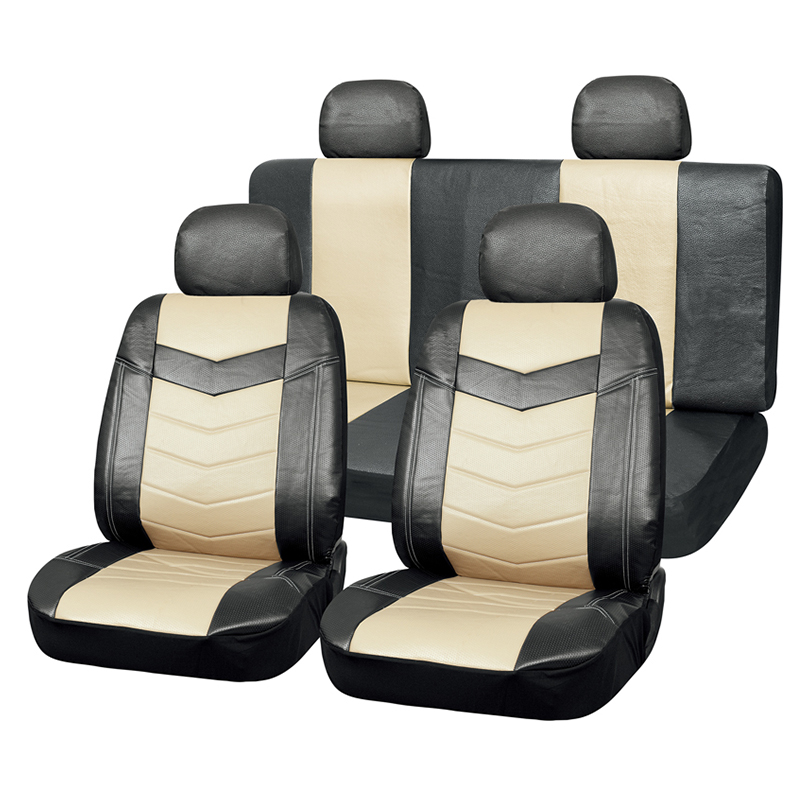
Personalization Is Changing Seat Cover Requirements
Automotive interiors are becoming an important part of vehicle personalization. Buyers are looking for different colors, textures, stitching patterns, and material combinations rather than a single standard design. Recent discussions around 2026 car interior trends also highlight customized styling and two-tone seat cover concepts.
For B2B buyers, however, customization needs to remain practical. A design that looks attractive in a sample may become difficult to reproduce consistently at production scale. This makes early communication between the buyer and manufacturer essential.
Material Selection Should Match the Intended Market
Different markets and vehicle-use scenarios place different demands on seat cover materials. A product intended for daily passenger vehicles may require a different balance of softness, abrasion resistance, cleanability, and appearance from one designed for commercial or fleet use.
Manufacturers can help buyers compare materials according to the actual application instead of selecting them only by appearance. Common considerations include:
- Surface texture and visual finish
- Resistance to everyday wear
- Ease of cleaning
- Flexibility during installation
- Comfort in different climates
- Color and pattern availability
Sustainable material options are also receiving more attention in automotive interiors, with recycled fabrics and other material alternatives appearing in current seat-cover trend discussions.
Fit Is More Than Getting the Shape Right
A seat cover needs to work with the geometry of the intended vehicle seat. Differences in seat contours, headrests, armrests, controls, and folding functions can affect the final fit.
For custom car seat cover production, manufacturers typically need accurate vehicle or seat information before developing patterns. Good pattern development helps control unwanted wrinkles, movement, and loose areas while maintaining access to relevant seat functions.
For buyers handling several vehicle models, clearly organized pattern information can also make future product expansion easier.
Comfort Should Not Be Lost During Customization
Adding protection should not make the original seat uncomfortable. Material thickness, surface texture, stitching position, and the way the cover is tensioned can all influence the user experience.
This is particularly relevant for products positioned as premium automotive accessories. A visually attractive cover may still receive poor feedback if it feels stiff, traps excessive heat, or interferes with normal seating movement.
Manufacturers therefore need to consider appearance and functional performance together during product development.
Production Consistency Matters for Private Labels
For private-label brands and distributors, the first sample is only one part of the purchasing decision. The more important question is whether the same design can be reproduced consistently in future batches.
A capable manufacturing process should control pattern dimensions, cutting, stitching, material matching, and final inspection. Consistency becomes especially important when a buyer sells the same seat cover design across different vehicle models or markets.
From our manufacturing perspective, clear specifications established before mass production help reduce unnecessary adjustments and make repeat orders easier to manage.
Packaging and Logistics Also Affect the Product
Car seat covers are flexible products, but they still require suitable folding, protection, labeling, and packaging during international transportation. Packaging should help maintain product identification while avoiding unnecessary volume where practical.
For distributors, packaging can also support warehouse management. Individual labels, model information, color references, and clear carton markings can make it easier to identify products before they reach retailers or installation centers.
Choosing a Manufacturing Partner for Long-Term Supply
For overseas buyers, selecting a Car Seat Cover Factory should involve more than comparing sample prices. Pattern development capability, material options, customization support, production consistency, inspection procedures, and packaging flexibility all influence whether a supplier can support a product line over time.
A manufacturer that understands both design requirements and production realities can help buyers develop seat covers that are visually distinctive without creating unnecessary manufacturing complexity. This balance can make customized car seat covers easier to position, reorder, and supply across different automotive accessory markets.
 +86 576-83710338
 +86 576-83711188
 No.1 Market Road,Tantou Industrial Zone,Tiantai County, Taizhou City, Zhejiang, China
