


 English
 中文简体
 русский
 Español
 Deutsch
 عربى
Comfort is one of the main factors influencing how customers evaluate office chairs, automotive seats, dining chairs, and upholstered furniture. However, a seat that feels comfortable during the first few minutes may not provide the same experience after months of regular use. For furniture brands, automotive suppliers, and wholesale buyers, choosing the right Seat Cushion Factory means looking beyond softness and appearance. Foam structure, material density, fabric performance, and manufacturing consistency all influence how a cushion performs throughout its service life.
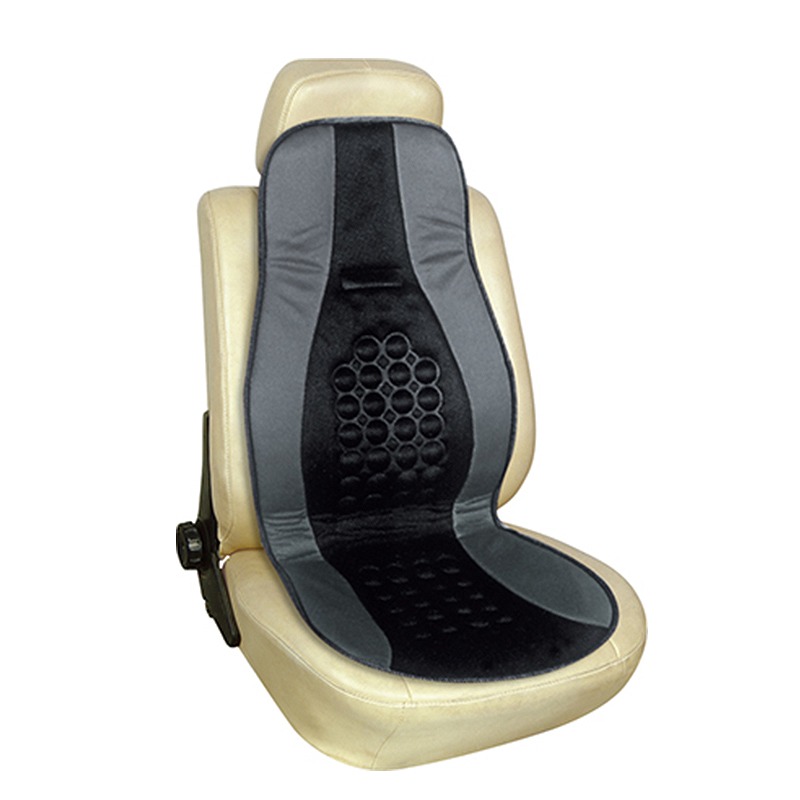
Why Does Cushion Firmness Matter More Than Initial Softness?
A very soft cushion may feel pleasant when first tested, but excessive compression can reduce support during extended sitting. On the other hand, an overly firm cushion may create uncomfortable pressure points, particularly in applications involving prolonged use.
The objective is to find a suitable balance between softness and structural support. Different applications require different foam characteristics. Office seating may prioritize consistent support during working hours, while automotive cushions need to consider body movement, space limitations, and repeated compression.
As manufacturers, we evaluate foam properties according to the intended application rather than assuming that one firmness level suits every product category.
How Does Foam Density Influence Cushion Performance?
Foam density is an important purchasing consideration because it relates to the amount of material contained within a given volume. However, density and firmness are not interchangeable. Two foam samples with similar density can have different firmness levels and compression characteristics.
When developing a seat cushion, buyers should consider several properties:
- Foam density: Helps evaluate material specifications and overall construction.
- Indentation force deflection (IFD): Indicates how much force is required to compress the foam by a specified amount.
- Compression set: Helps assess how well the material recovers after sustained compression.
- Resilience: Influences how the foam responds when pressure is released.
These properties should be evaluated together to determine whether the selected foam matches the intended seating application.
Can Layered Foam Structures Improve Sitting Comfort?
Some seat cushion designs use multiple foam layers rather than relying on a single material. This approach allows manufacturers to combine different functional characteristics within one product.
For example, a softer upper layer can provide a more comfortable surface feel, while a firmer supporting layer helps maintain the cushion's overall structure. The actual configuration depends on cushion thickness, intended load, seat geometry, and customer requirements.
Layered construction can be particularly useful for customized office seating, automotive interiors, and upholstered furniture. However, bonding quality and dimensional consistency must also be controlled during production to prevent separation or uneven compression.
Why Should Buyers Pay Attention to Cover Fabric Selection?
The foam core is only part of the finished cushion. The outer fabric influences surface comfort, appearance, cleaning requirements, and resistance to everyday wear.
Different applications call for different textile characteristics. Office chairs may require fabrics that withstand repeated friction, while automotive seating often involves additional considerations such as temperature exposure, color stability, and compatibility with interior design.
Before placing bulk orders, procurement teams should review:
- Fabric composition and surface texture.
- Abrasion resistance and seam strength.
- Color consistency between production batches.
- Cleaning and maintenance requirements.
- Compatibility with the selected foam structure.
A suitable cover material should complement the foam rather than compromise the cushion's overall performance.
How Can Cushion Shape and Thickness Affect Installation?
Even when the foam material meets the required specifications, an incorrectly shaped cushion can create problems during assembly. Differences in thickness, edge contours, and overall dimensions may affect how the product fits into a chair frame or vehicle seat structure.
Manufacturers should work with buyers to confirm drawings, measurements, and installation requirements before mass production.
Important details include cushion length and width, corner radius, thickness tolerance, mounting points, and any required cutouts. For automotive and specialized furniture applications, these details are particularly important because cushions often need to fit specific structural components.
Accurate sample development helps identify potential fitting issues before larger production runs begin.
What Quality Checks Should a Professional Manufacturer Perform?
Consistent production quality is essential for brands and distributors managing repeat orders. A suitable inspection process should cover both incoming materials and finished cushions.
Depending on the product specification, manufacturers may evaluate foam dimensions, density, firmness, compression recovery, fabric condition, stitching, and overall appearance. Finished samples can also be assessed for dimensional accuracy and compatibility with the intended seat structure.
For OEM and ODM projects, maintaining approved material specifications and production samples helps reduce differences between initial orders and subsequent batches.
Choosing a Seat Cushion Factory for Your Next Project
Selecting a manufacturing partner requires more than comparing unit prices. Buyers should understand the factory's material sourcing capabilities, customization options, sample development process, production controls, and experience with different seating applications.
A reliable Seat Cushion Factory should be able to discuss foam specifications, fabric options, cushion dimensions, and customized construction according to the buyer's project requirements. By combining suitable materials with careful structural design and consistent manufacturing processes, suppliers can help international furniture brands and automotive customers develop seat cushions that deliver practical comfort and dependable product quality.


 +86 576-83710338
 +86 576-83711188

 No.1 Market Road,Tantou Industrial Zone,Tiantai County, Taizhou City, Zhejiang, China

