


 English
 中文简体
 русский
 Español
 Deutsch
 عربى
Seat cushions are used across a wide range of products, from dining chairs and sofas to garden furniture, office seating, and hospitality interiors. Although a thicker cushion may appear more comfortable at first glance, its actual performance depends on several factors, including filling density, foam resilience, fabric construction, and the shape of the seat. For furniture brands, wholesalers, and commercial buyers, working with a suitable Seat Cushion Factory means evaluating how these elements perform together rather than choosing a product based on appearance alone.
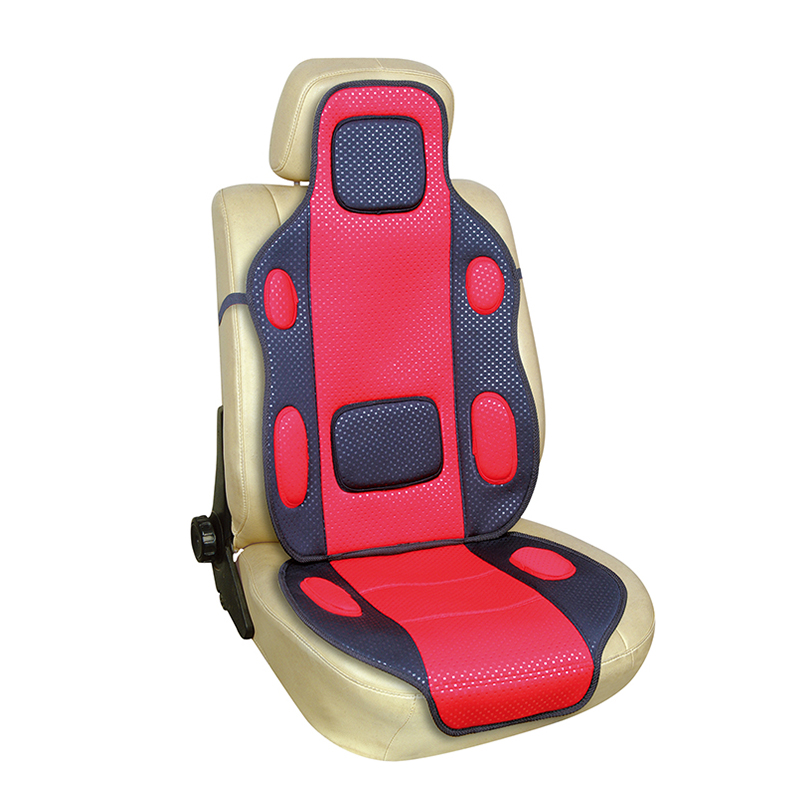
Filling Material Determines the Sitting Experience
The filling is one of the main factors influencing how a cushion feels during use. Different foam types and filling materials provide different levels of firmness, support, and flexibility. A cushion intended for occasional decorative use may have different requirements from one designed for dining chairs or frequently used commercial seating.
Buyers should consider the expected sitting duration and the type of furniture before selecting a filling. Firmness should support the intended application without making the seat uncomfortable, while the filling should retain its shape under normal use.
For manufacturers, selecting suitable filling materials involves balancing comfort expectations, product construction, and the target price range.
Cushion Thickness Needs to Match the Seat Design
Adding more filling does not automatically improve comfort. If a cushion is too thick, it may change the seat height or affect the relationship between the user and the backrest. A cushion that is too thin may not provide the support expected for the intended application.
Before confirming dimensions, buyers should check the chair's seat depth, width, height, and shape. Curved seats, outdoor lounge chairs, and dining chairs may require different cushion profiles.
A manufacturer should assess the cushion as part of the complete furniture design. This helps avoid dimensional mismatches and makes the finished product more suitable for its intended use.
Fabric Selection Influences Durability and Maintenance
The outer fabric affects not only the cushion's appearance but also its daily maintenance requirements. Indoor furniture may prioritize texture and color coordination, while outdoor seating often needs materials selected with sunlight, moisture, and regular cleaning in mind.
When comparing fabrics, buyers should review:
- Abrasion resistance: Relevant for seating exposed to frequent use.
- Color stability: Important when cushions are displayed in areas with regular light exposure.
- Cleaning requirements: Consider whether the fabric can be spot-cleaned or has removable covers.
- Surface texture: Choose a finish that matches the furniture style and intended user experience.
- Outdoor suitability: Confirm whether the material is designed for the expected exposure conditions.
These details help buyers select fabric according to actual use instead of relying on appearance samples alone.
Shape and Construction Affect How Well a Cushion Fits
A well-made cushion should follow the shape of the furniture seat and remain properly positioned during normal use. Poorly matched dimensions can lead to overhanging edges, uneven support, or movement when users sit down and stand up.
Construction details also matter. Seam placement, edge finishing, piping, fastening straps, and non-slip features can influence both appearance and practical use.
For customized orders, buyers should provide accurate drawings or physical seat measurements. Sample approval is also useful for checking the cushion's shape and fit before moving into bulk production.
Indoor and Outdoor Cushions Need Different Considerations
Not all seat cushions are designed for the same environment. Indoor cushions may focus on softness, decorative fabrics, and coordination with furniture collections. Outdoor cushions need additional consideration for moisture exposure, sunlight, storage, and cleaning.
For garden furniture and patio seating, buyers should ask about the intended outdoor use of the fabric and filling. They should also clarify whether the cushion is water-resistant, quick-drying, or simply suitable for covered outdoor areas. These terms describe different characteristics and should not be treated as interchangeable.
Clear product information helps distributors set appropriate expectations for end users.
Consistent Manufacturing Matters for Wholesale Orders
For furniture brands and importers, a satisfactory sample is only the beginning of product evaluation. Bulk orders also require consistency in cushion dimensions, filling distribution, stitching, fabric color, and finishing details.
A professional Seat Cushion Factory should establish suitable checks throughout production, from material inspection and cutting to filling, sewing, and final packaging. Buyers can also agree on sample approval procedures, acceptable color variation, and inspection requirements before confirming an order.
This approach is particularly useful for retailers managing multiple furniture models or replenishing the same cushion design over time.
Customization Helps Buyers Serve Different Furniture Markets
Different customers may prefer different cushion sizes, firmness levels, fabrics, colors, and fastening methods. A flexible manufacturing approach allows furniture brands and distributors to develop products that correspond more closely to their collections and target markets.
When discussing a custom order with a Seat Cushion Factory, buyers should provide the intended furniture application, seat dimensions, preferred filling, fabric requirements, expected order quantity, and packaging preferences. Considering these details together helps create a cushion that fits both the furniture and the customer's purchasing needs.
 +86 576-83710338
 +86 576-83711188

 No.1 Market Road,Tantou Industrial Zone,Tiantai County, Taizhou City, Zhejiang, China

