


 English
 中文简体
 русский
 Español
 Deutsch
 عربى
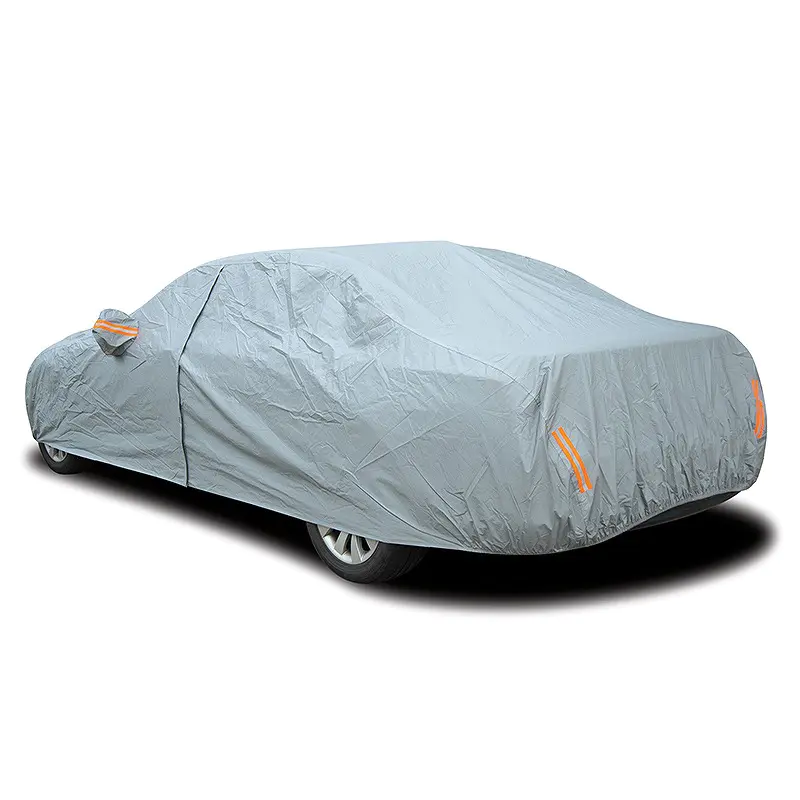
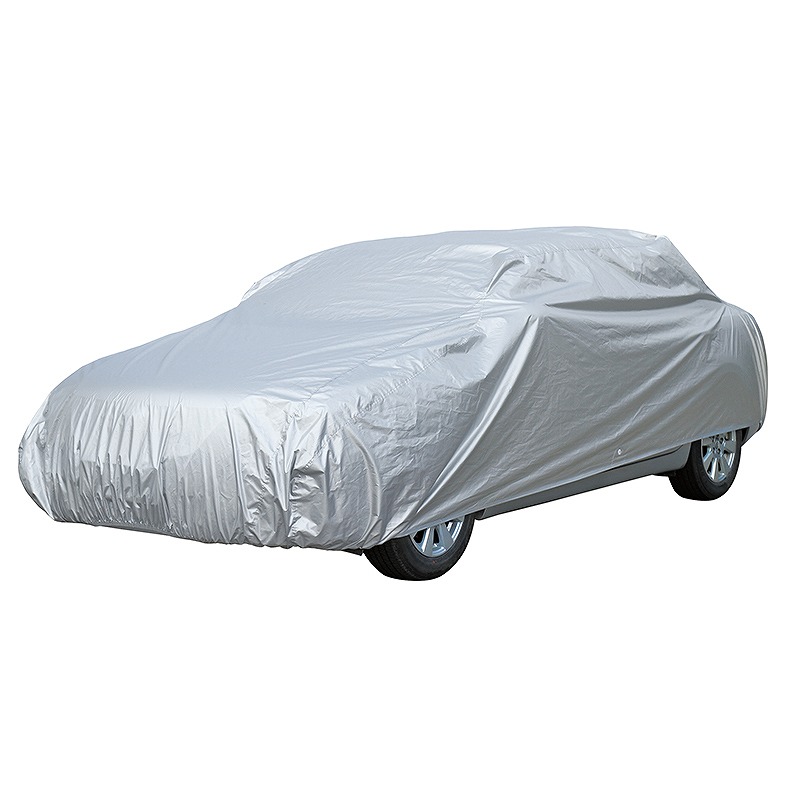
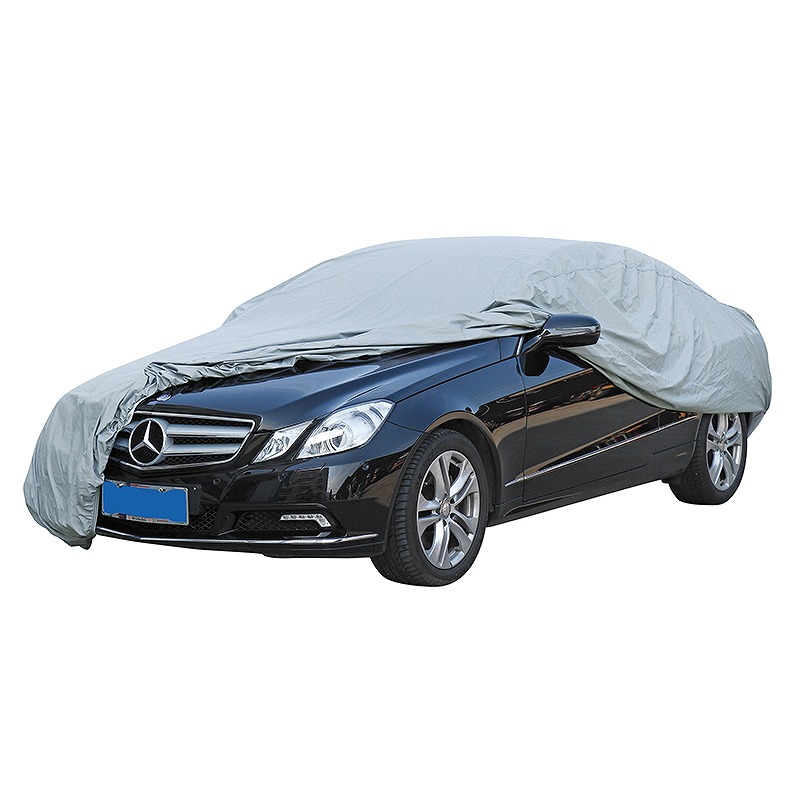
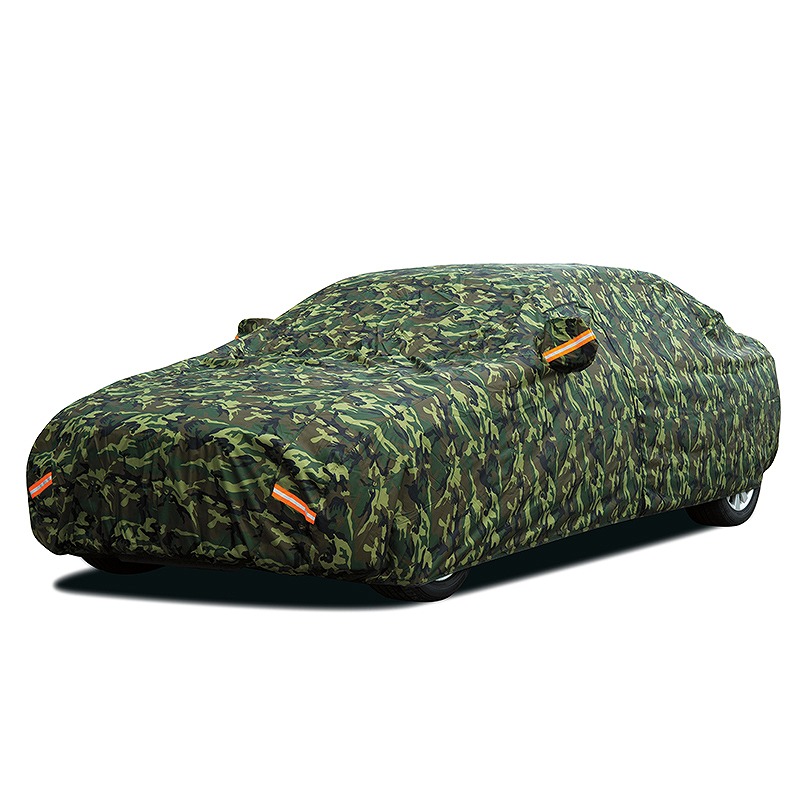
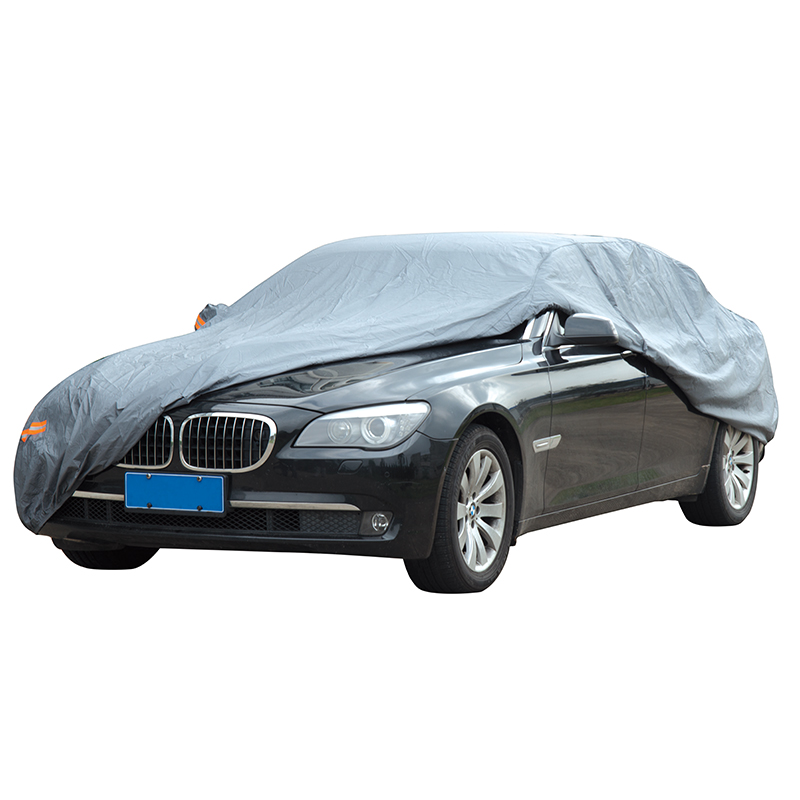
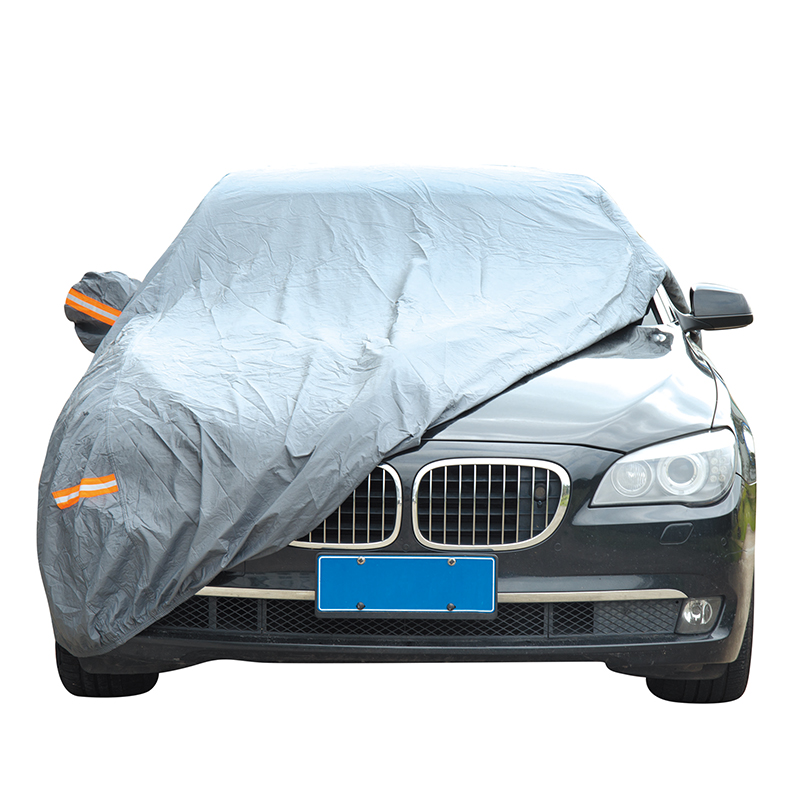
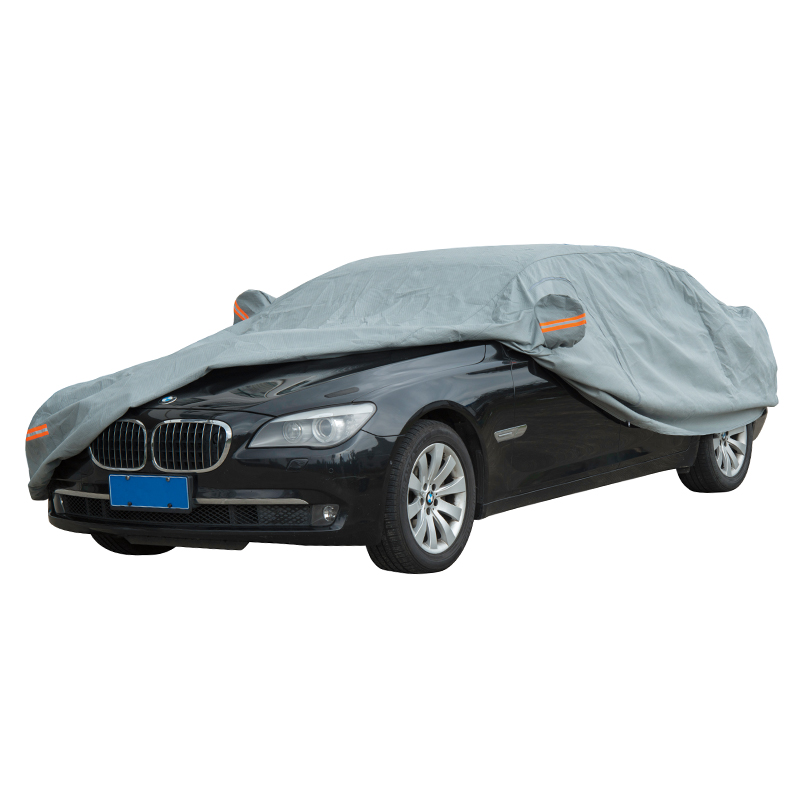
A car cover intended for a mild, dry environment may not be suitable for a region with intense sunlight, frequent rainfall, or seasonal temperature changes. For overseas automotive accessory buyers, this creates an important product-development question: how can one product range serve different markets without relying on a single fabric or construction method? A professional Car Cover Factory should consider local parking conditions, expected exposure, material characteristics, and practical product requirements before finalizing a design.
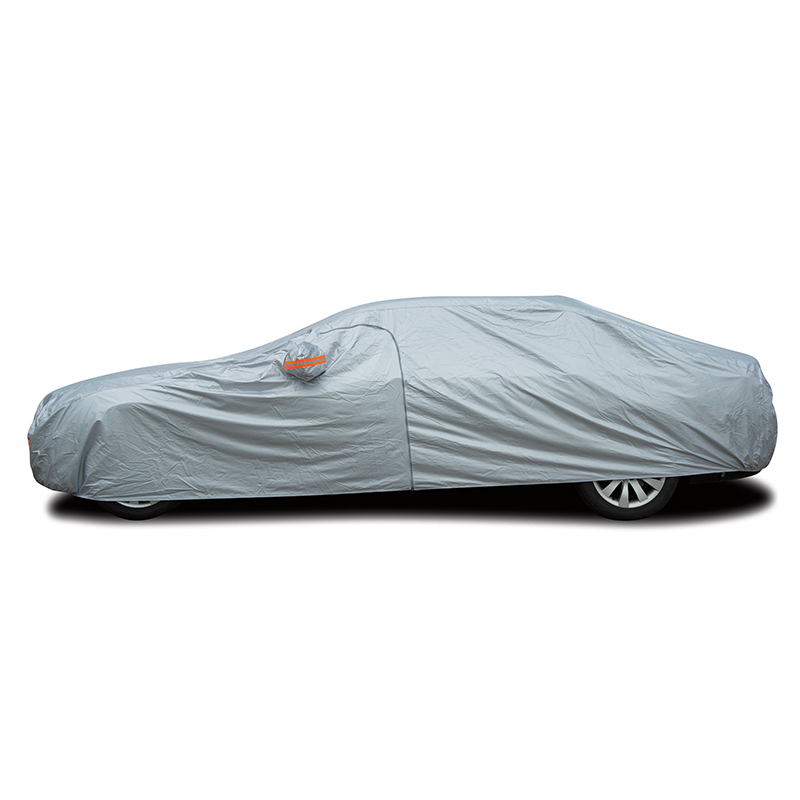
Start With the Conditions the Cover Will Face
Climate alone does not determine which car cover is appropriate. A vehicle parked beneath a roof has different protection needs from one left in an open driveway, even when both are located in the same region. Frequency of use, surrounding trees, dust exposure, and available storage space can also influence product selection.
Manufacturers should therefore define the intended application before choosing materials. Indoor storage covers may prioritize dust protection and a soft contact surface, while outdoor products may require greater attention to sunlight, moisture, and wind exposure. Establishing these differences early helps buyers select products that match their customers' actual needs.
Sunlight Exposure Requires Material Consideration
Vehicles parked outdoors may experience prolonged exposure to sunlight, which can gradually affect both the vehicle's exterior and the cover material. The degree of exposure depends on parking conditions, local weather, and how frequently the cover is used.
When developing outdoor car covers, manufacturers should evaluate the fabric's suitability for the intended exposure and the performance of any applied surface treatment. Buyers should also distinguish between a product designed for general outdoor use and one developed for more demanding sunlight conditions.
Clear product descriptions are important here. Avoiding unsupported claims about service life allows distributors to communicate realistic expectations and choose specifications appropriate for their target market.
Moisture Management Is More Than Waterproofing
Rain protection is a common purchasing consideration, but moisture can also accumulate beneath a cover through condensation or contact with a damp vehicle. A material that limits water penetration may not automatically provide the best moisture-management performance in every situation.
Manufacturers should assess water resistance alongside fabric construction, breathability, seam design, and the intended use environment. The appropriate balance depends on the product specification and expected conditions.
For buyers, useful questions include whether the cover is intended for prolonged outdoor parking, how its seams are constructed, and what care instructions should be followed after wet weather. These details help clarify the product's capabilities and limitations.
Fabric Weight Should Match the Intended Application
Heavier material is not automatically the right choice for every car cover. Fabric weight can influence handling, folding, storage, and the way a cover sits on the vehicle. A lighter product may be easier to manage regularly, while a different construction may be more suitable for a particular outdoor application.
When evaluating materials, manufacturers should consider several connected factors:
- Fabric composition and overall construction
- Surface texture and contact with the vehicle finish
- Flexibility during installation and removal
- Resistance to the environmental conditions specified for the product
- Folding behavior and storage requirements
- Compatibility with seams, hems, and fastening components
Evaluating these factors together helps prevent material selection from being based on thickness or weight alone.
Fit and Fastening Matter in Changing Weather
Wind can cause a loose cover to move across the vehicle surface, while an unsuitable fit may leave sections exposed. A cover's performance therefore depends on both its material and its ability to remain positioned correctly.
Manufacturers should review body contours, elastic hems, strap locations, and other securing features during product development. Buyers serving windy regions may need to pay particular attention to fastening arrangements and installation instructions.
The design should also allow users to remove and refit the cover without placing unnecessary strain on seams or attachment points. Practical handling and appropriate fit work together to support everyday use.
Sample Evaluation Should Reflect Real Conditions
A product sample can reveal details that are difficult to judge from a specification sheet alone. Before approving a new model, buyers can assess its fit, handling, surface contact, fastening, and storage characteristics. Material testing should also follow the performance requirements defined for the intended application.
For a manufacturer, evaluation should extend beyond visual inspection. Relevant checks may include dimensional consistency, seam quality, fastening security, and verification of specified material properties. Recording the approved construction and inspection criteria helps maintain consistency when production moves from samples to larger orders.
Build a Product Range Around Market Requirements
Different climates create different priorities, so a flexible product range may include separate indoor and outdoor designs, several size categories, and material options suited to distinct applications. The goal is not to offer the same cover for every condition, but to provide a clear choice based on use requirements.
For overseas distributors and private-label buyers, working with a Car Cover Factory can make this process more systematic. By discussing climate exposure, parking environments, vehicle sizes, material expectations, and packaging requirements at the beginning of development, manufacturers can create more relevant product specifications and support consistent production for different markets.
 +86 576-83710338
 +86 576-83711188

 No.1 Market Road,Tantou Industrial Zone,Tiantai County, Taizhou City, Zhejiang, China

