


 English
 中文简体
 русский
 Español
 Deutsch
 عربى
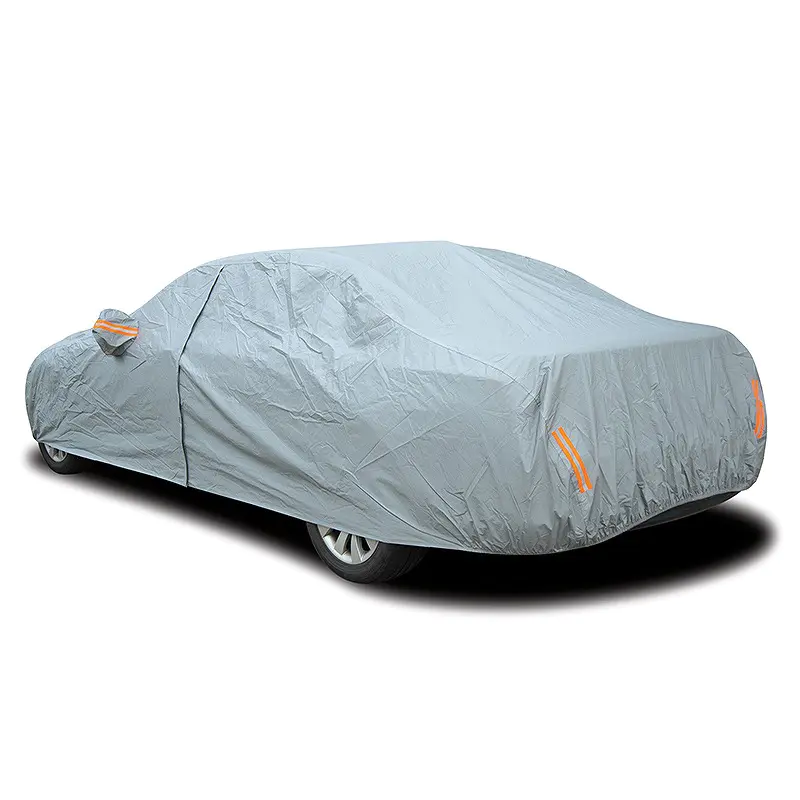
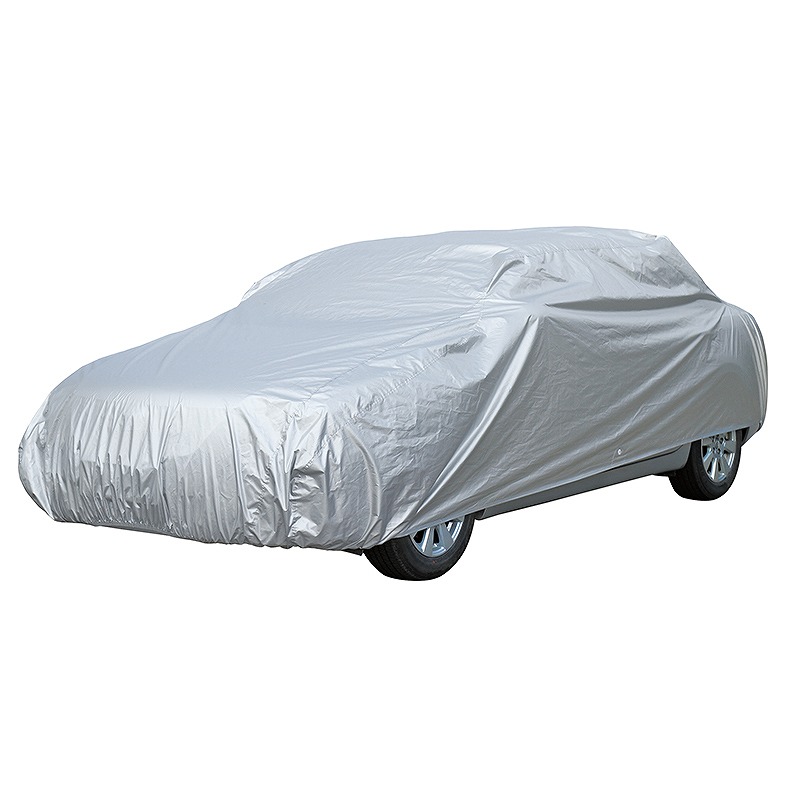
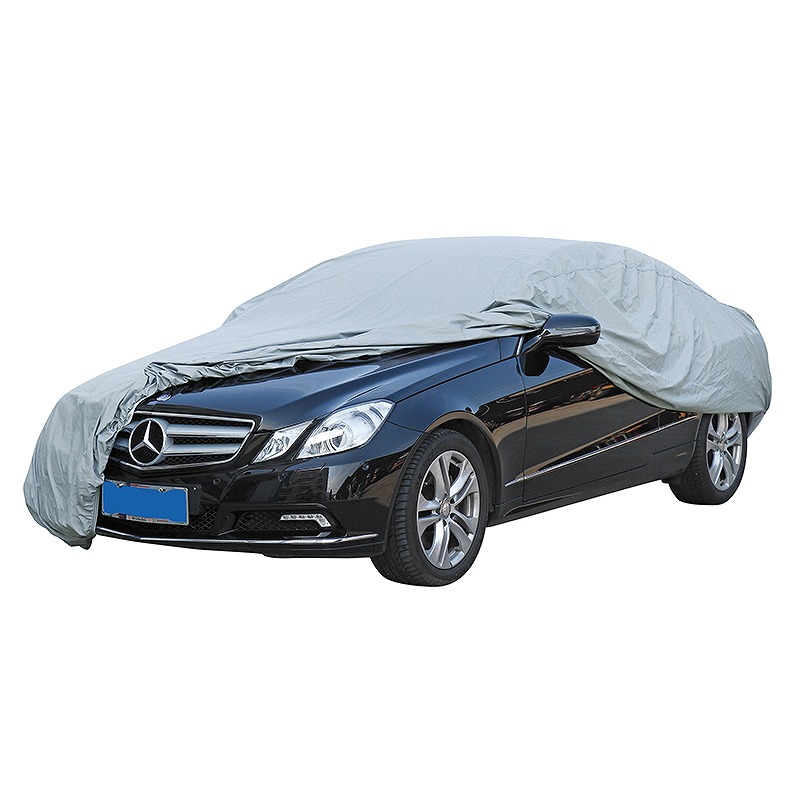
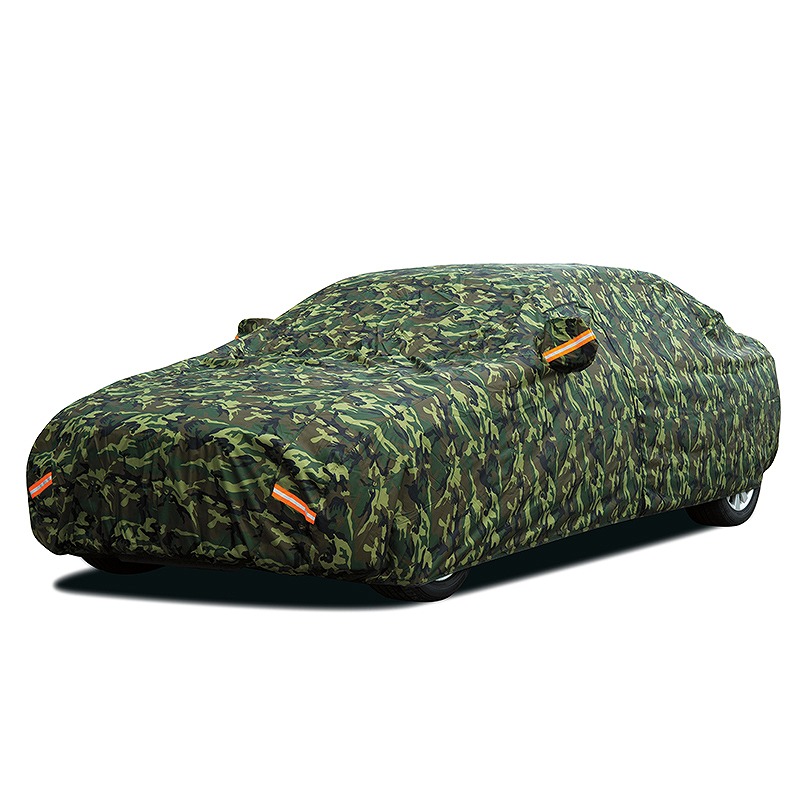
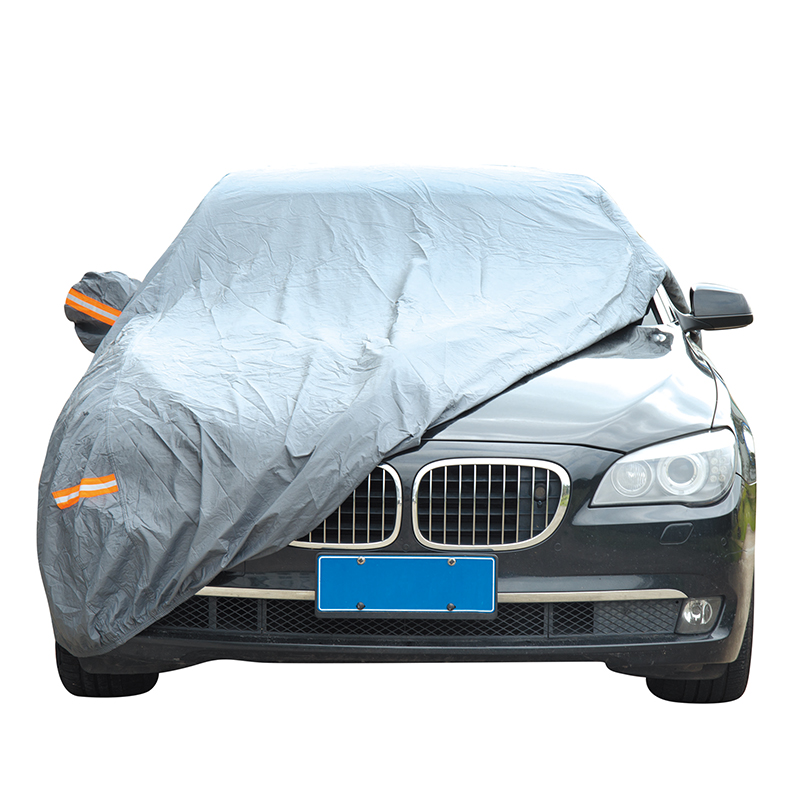
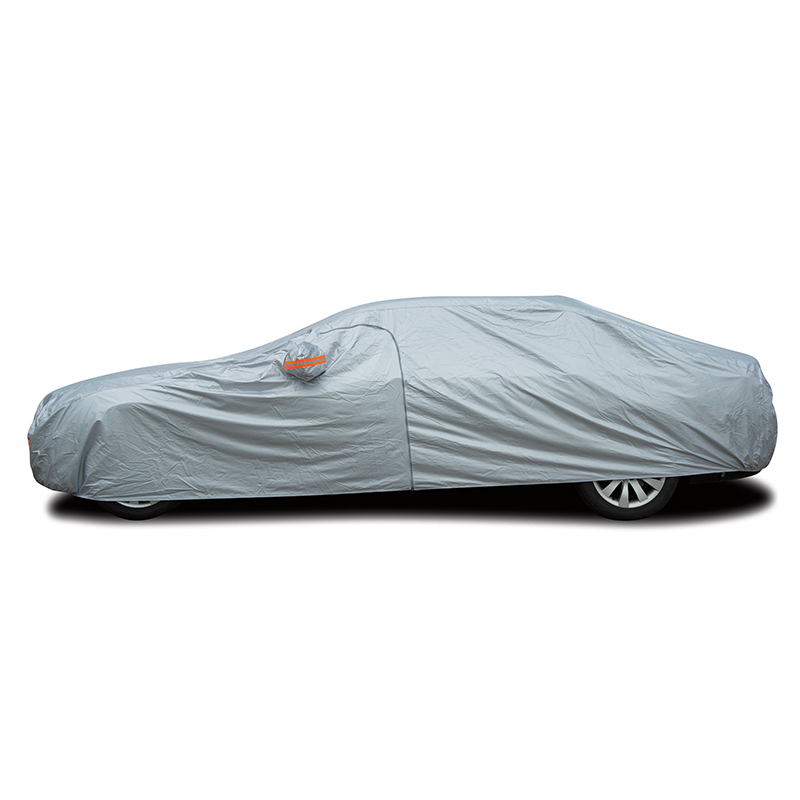
A car cover is intended to help shield a vehicle from dust, airborne debris, and everyday environmental exposure, but the cover itself also comes into contact with the vehicle's exterior. Fabric texture, fit, cleanliness, and movement can all influence how the product performs during regular use. For automotive accessory distributors and private-label buyers, selecting a suitable Car Cover Factory means looking beyond basic coverage to understand how material choices and construction details affect the vehicle's finish.
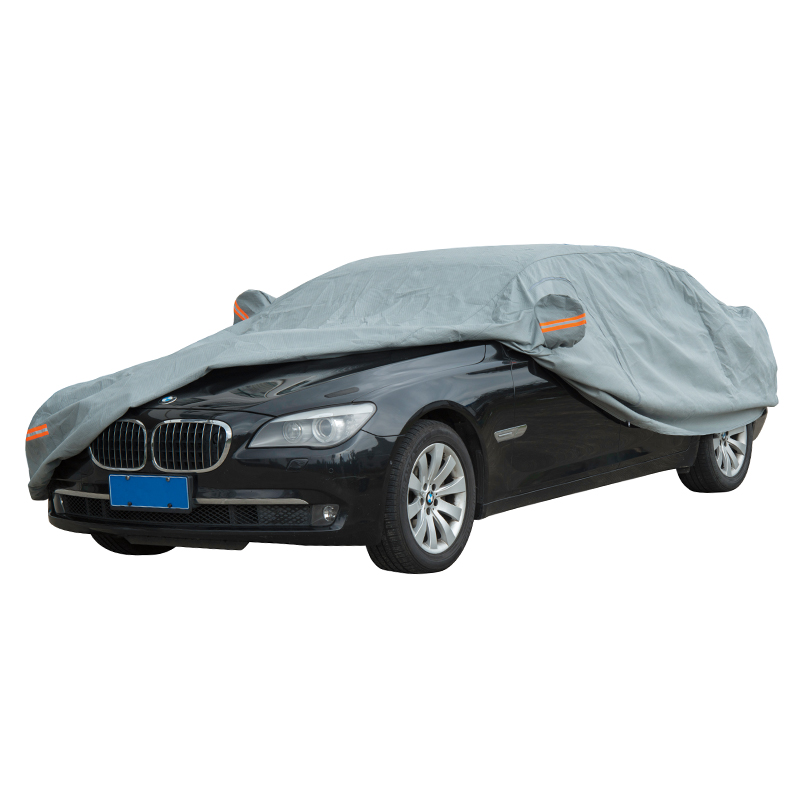
The Inner Surface Deserves Careful Attention
The inside of a car cover is often overlooked during product selection. Yet, when the cover rests against the vehicle, its contact surface becomes an important part of the design. A soft inner layer may help reduce the risk of surface abrasion, provided the cover is clean and used correctly.
Manufacturers should evaluate the texture, consistency, and cleanliness of the inner material. Loose fibers, trapped particles, or rough areas can create problems if they are pressed against the paint during installation or movement. Buyers should inspect the inside of a sample as carefully as the exterior and ask how the material is intended to be used.
Even a well-designed cover should be placed over a reasonably clean vehicle. Dust and grit trapped between the fabric and the paint may cause scratches when the cover shifts.
Fabric Structure Influences Everyday Contact
Different fabric constructions create different combinations of flexibility, weight, surface texture, and protection. A material suitable for basic indoor dust coverage may not provide the same characteristics as one designed for outdoor use.
When developing a car cover, manufacturers need to consider the complete fabric structure rather than focusing on a single specification. The outer layer, inner surface, coatings where applicable, and seam construction should be evaluated together.
For overseas buyers, the intended application should guide material selection. Indoor storage, occasional outdoor parking, and regular exposure to changing weather can require different product configurations. A clearly defined use case makes it easier to compare samples and avoid selecting a cover based on appearance alone.
Fit Helps Reduce Unnecessary Fabric Movement
A cover that is too loose may flap in the wind, while an excessively tight design can place stress on seams and fastening points. Both situations can affect how the material behaves against the vehicle surface.
Manufacturers should consider body contours, mirror positions, hem design, and fastening locations when developing patterns. A universal-fit cover may suit a broad vehicle category, but its coverage can vary depending on the vehicle's proportions. Buyers should therefore confirm the intended size range instead of assuming that a single dimension will fit every vehicle equally well.
During sample evaluation, checking the cover at the front, rear, roof, and side panels can help reveal areas where excess material or tension may become a concern.
Which Design Details Are Worth Checking?
For bulk procurement, a structured inspection helps buyers compare products consistently. Important details include:
- Inner-surface softness and visible material defects
- Fabric cleanliness and loose fibers
- Seam placement around high-curvature areas
- Elastic hems and fastening components
- Mirror pockets or other vehicle-specific design elements
- Labels explaining fit, use, and care requirements
These checks do not replace appropriate material testing, but they can help identify design or workmanship issues before an order is approved.
Care Instructions Are Part of Product Performance
A car cover's effectiveness depends partly on how it is handled. Installing it over a dusty vehicle, storing it while damp, or allowing debris to collect inside can reduce the benefits of a suitable design.
Manufacturers can support more consistent use by providing practical care instructions. These may explain when the cover should be cleaned, how it should be dried, and how it should be folded for storage. Instructions should match the actual material and construction rather than relying on generic guidance that may not suit every product.
For distributors, clear care information can also improve the customer experience and reduce misunderstandings about what the cover is designed to do.
Manufacturing Checks Should Include the Contact Surface
Quality inspection should cover more than exterior appearance and finished dimensions. The inner surface, seams, hems, and attachment points also need attention because they affect how the product interacts with the vehicle.
A manufacturer can establish inspection procedures for fabric defects, stitching consistency, loose threads, contamination, and accessory installation. Material properties should be checked against the approved product specification, while finished samples can be reviewed for fit and handling.
For repeat orders, retaining clear specifications for fabric type, inner-layer construction, pattern dimensions, and finishing details helps reduce unwanted variation between production batches.
Product Development Should Begin With the Intended User
A cover designed for a vehicle stored indoors may prioritize dust control and convenient handling, while an outdoor product may need a different balance of weather resistance, fit, and fastening. Buyers should communicate these priorities before requesting customization or approving a sample.
Working with a Car Cover Factory allows distributors and automotive accessory brands to discuss fabric selection, inner-surface requirements, size options, construction details, and packaging as part of one development process. By evaluating how these elements work together, manufacturers can produce car covers that offer practical vehicle protection while helping buyers build a product range suited to their target markets.

 +86 576-83710338
 +86 576-83711188

 No.1 Market Road,Tantou Industrial Zone,Tiantai County, Taizhou City, Zhejiang, China

