


 English
 中文简体
中文简体 русский
 Español
 Deutsch
 عربى
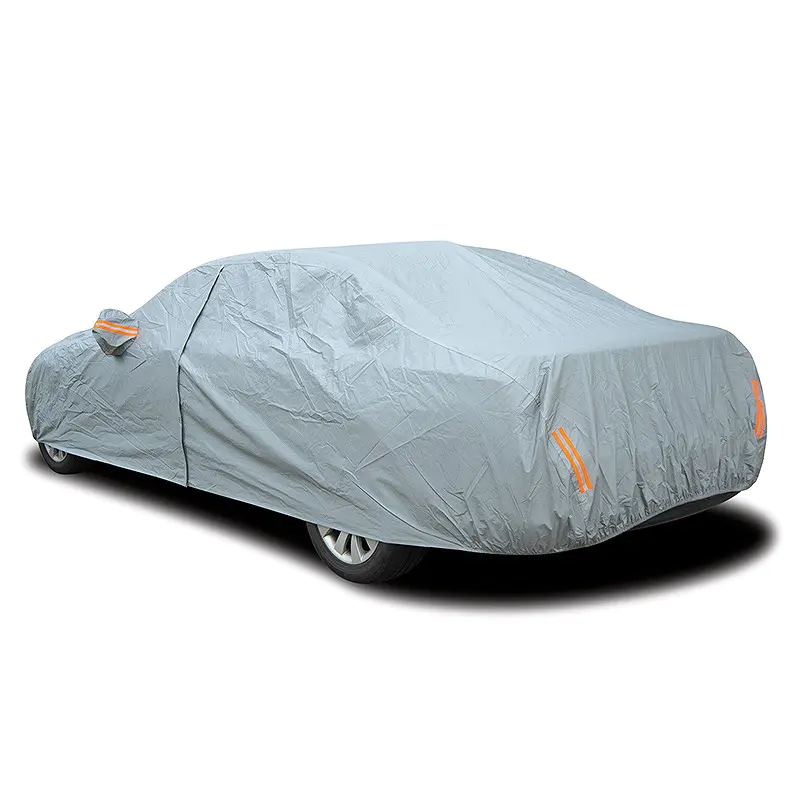
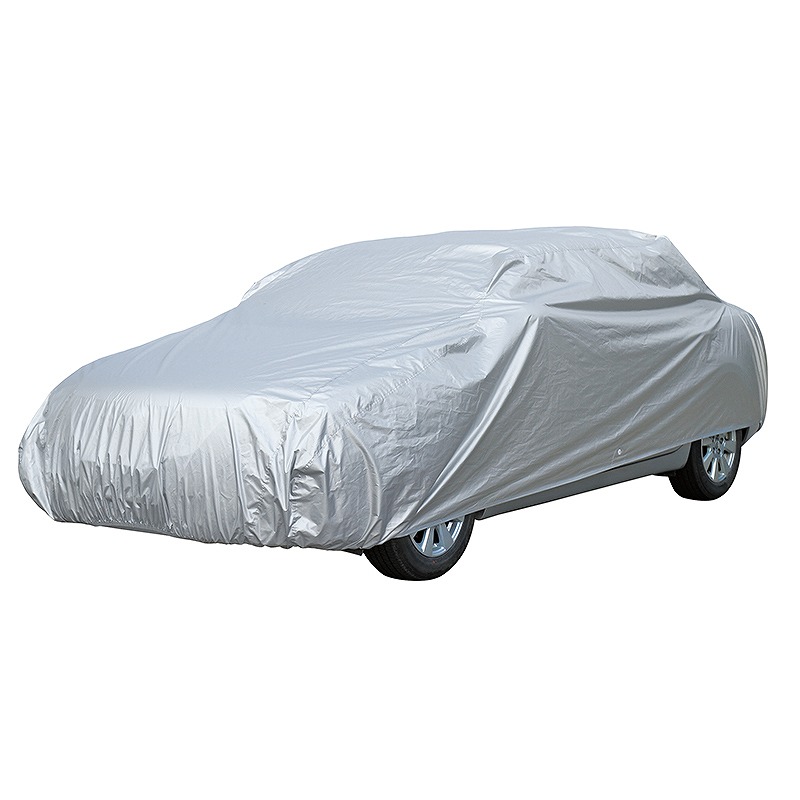
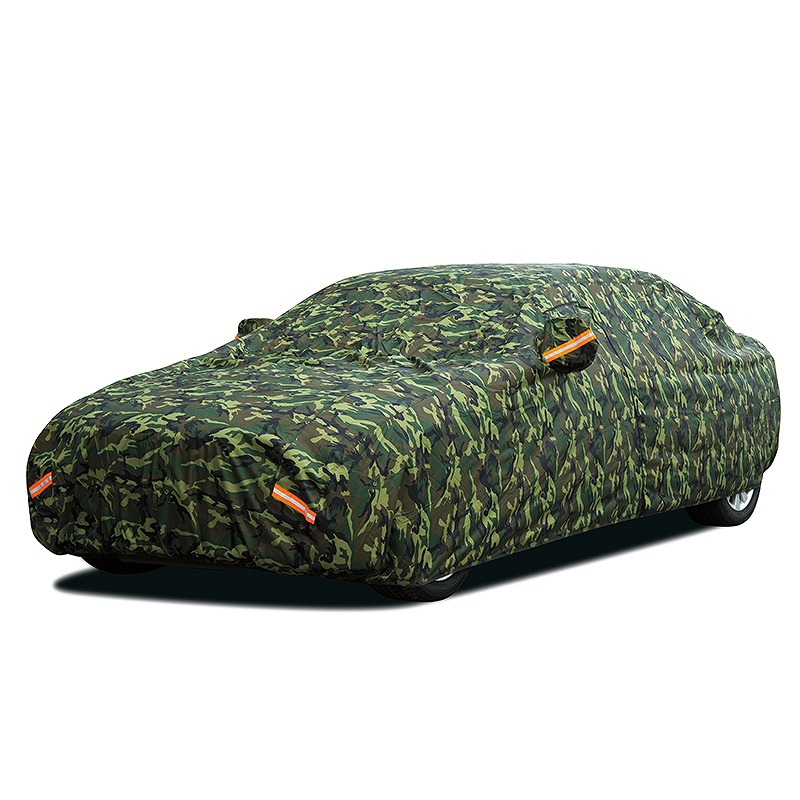
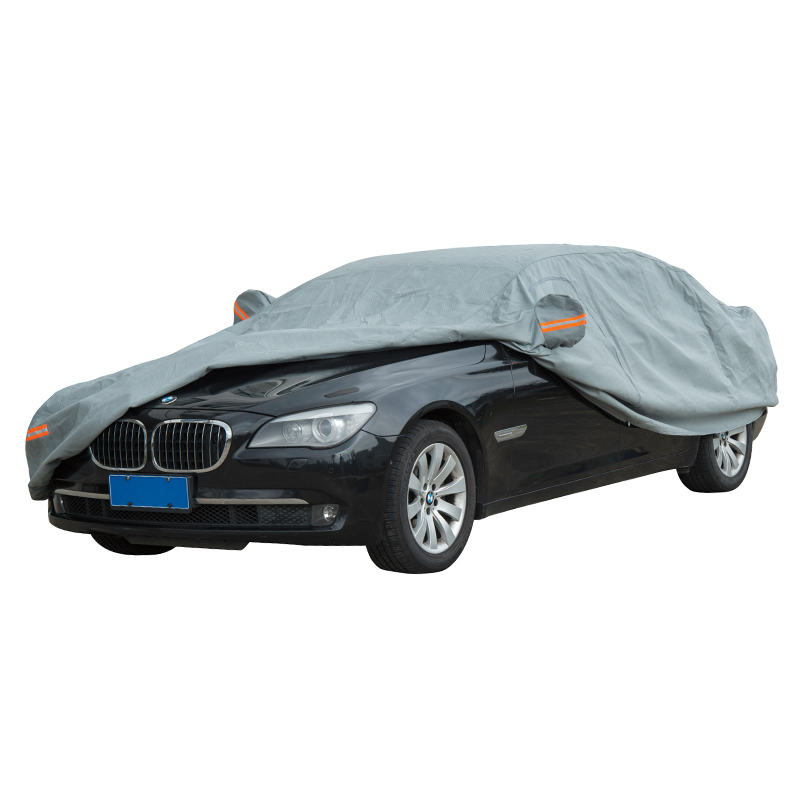
عربىA car cover should protect a vehicle without making routine parking more complicated. If the cover is difficult to unfold, awkward to position, or inconvenient to store, users may be less inclined to use it regularly. For overseas automotive accessory buyers, these practical details can influence product satisfaction just as much as fabric selection. Working with a Car Cover Factory gives distributors and private-label brands an opportunity to evaluate how dimensions, construction, handling, and packaging can be developed around real usage habits.
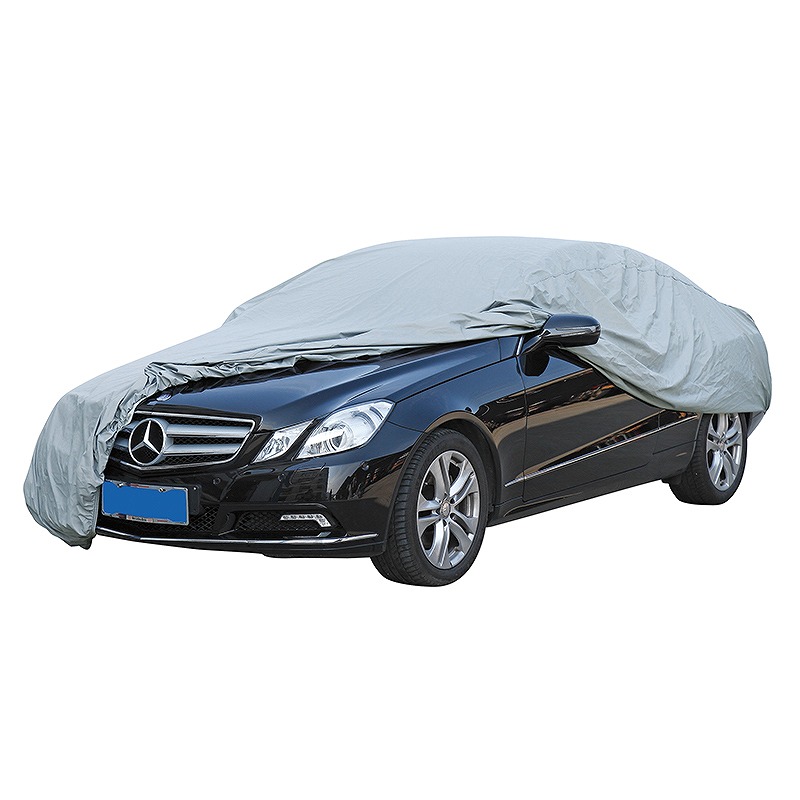
Size Development Starts With the Vehicle Shape
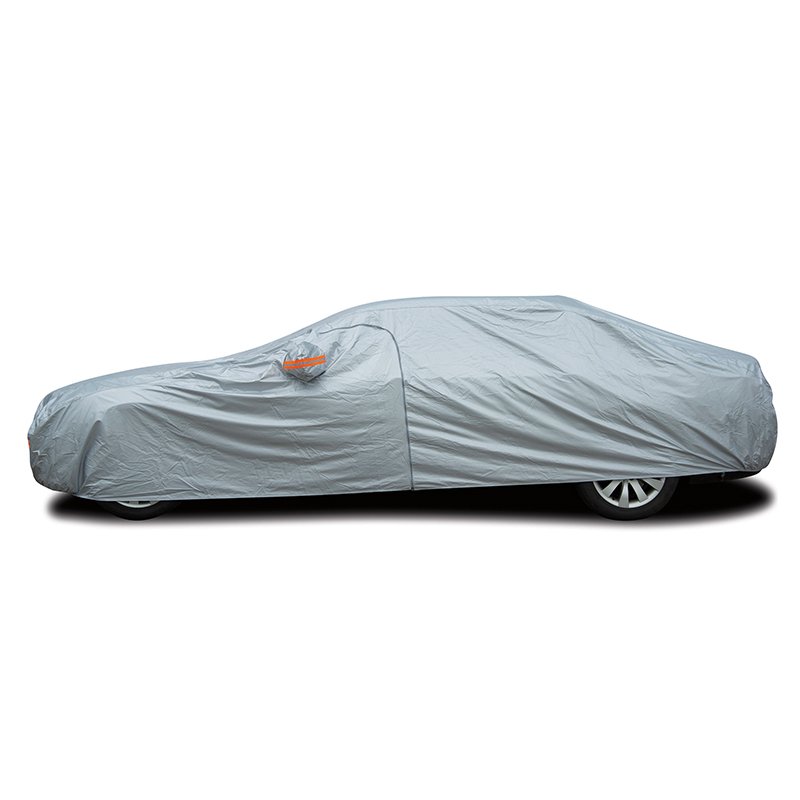
Choosing a car cover by vehicle length alone can lead to fit problems. Two vehicles with similar lengths may differ considerably in roof height, body width, mirror shape, and front or rear contours. These differences affect how the cover sits on the vehicle and whether it can provide suitable coverage.
Manufacturers should establish clear sizing criteria and consider the overall body profile when developing patterns. For universal-fit products, the intended vehicle size range should be defined carefully. For model-specific designs, more detailed dimensional information can help improve coverage and reduce excessive fabric around the body.
Buyers can make the selection process more efficient by providing the vehicle categories, size range, and intended application before confirming a product specification.
Easy Handling Encourages Regular Use
A cover that requires repeated adjustments can become frustrating, especially when users need to protect a vehicle every day. Product weight, fabric flexibility, panel layout, and the positioning of identifying labels can all influence how easily the cover is handled.
Manufacturers can evaluate whether the fabric is manageable for one person to unfold and position, while ensuring that the material remains suitable for its intended protection requirements. Clear front and rear markings can also help users orient the cover correctly without repeatedly repositioning it.
For wholesale buyers, ease of handling is a practical product attribute worth reviewing during sample evaluation, rather than judging the cover solely from its appearance when installed.
Seam Placement and Construction Affect Everyday Performance
Seams are necessary to shape a cover around a vehicle, but their placement and construction deserve attention. Poorly positioned seams may create unnecessary tension when the cover is stretched over corners or body contours. Inconsistent stitching can also affect appearance and product reliability.
During product development, manufacturers should assess the relationship between panel dimensions, seam locations, and the points where the cover is pulled during installation. Stitching methods should suit the selected fabric and intended application.
A production inspection can include checks for loose threads, skipped stitches, uneven seam lines, and areas that appear excessively stretched. These details help maintain a consistent finish across different sizes and production batches.
Which Features Make a Cover Easier to Use?
Small design choices can improve the handling experience without adding unnecessary complexity. When comparing product configurations, buyers may want to review:
- Front and rear identification markings
- Elastic hems designed to follow the vehicle outline
- Straps or buckles for securing the cover where appropriate
- Mirror pockets when required by the intended fit
- A storage bag sized for the folded product
- Clear labels showing size, application, and care instructions
Not every market needs every feature. The most suitable configuration depends on customer expectations, local parking conditions, product positioning, and the target price range.
Storage Design Should Be Considered Early
A car cover is often removed and stored between uses. If the folded product is bulky or difficult to pack, it may take up unnecessary space in a vehicle trunk, household storage area, or retail package.
Manufacturers can evaluate how the fabric folds, whether accessories remain organized, and how easily the cover fits into its designated storage bag. Packaging dimensions should be considered alongside product dimensions, particularly for buyers managing multiple sizes or planning bulk shipments.
Clear folding instructions can also help users return the cover to its bag without excessive effort. A practical storage solution supports product usability while helping buyers plan warehouse and retail arrangements.
Customization Requires Clear Product Specifications
Private-label and wholesale projects may involve different fabric colors, logos, size labels, accessories, and packaging formats. These changes should be documented before mass production so that the approved sample and finished order follow the same requirements.
A Car Cover Factory can organize customization around several points:
- Confirming vehicle categories and dimensional requirements
- Selecting the fabric and surface finish
- Defining seam construction and fastening details
- Approving logo placement and label information
- Checking storage bags and outer packaging
- Recording the approved specifications for repeat orders
A clear specification reduces misunderstandings and gives production teams a consistent reference when handling repeat orders.
Practical Design Helps Build a More Competitive Product Range
A useful car cover is the result of several connected decisions: suitable sizing, manageable fabric, thoughtful seam placement, secure fastening, and convenient storage. Improving one detail while overlooking the others may not produce a better overall user experience.
For overseas distributors and automotive accessory brands, working directly with a Car Cover Factory can make it easier to align these design decisions with the intended market. By translating customer needs into measurable specifications and maintaining consistent production checks, manufacturers can develop car covers that are easier to use, simpler to package, and better suited to different vehicle categories.


 +86 576-83710338
 +86 576-83711188
 No.1 Market Road,Tantou Industrial Zone,Tiantai County, Taizhou City, Zhejiang, China
