


 English
 中文简体
中文简体 русский
 Español
 Deutsch
 عربى
عربىVehicles are often exposed to changing weather, dust, tree debris, bird droppings, and other environmental contaminants when parked outdoors or stored for extended periods. Choosing a suitable cover can help reduce routine cleaning and protect exterior surfaces from everyday exposure. For overseas distributors, automotive accessory brands, and bulk buyers, working with a reliable Car Cover Factory means looking beyond price and appearance to evaluate material performance, fit, usability, and consistency across production batches.
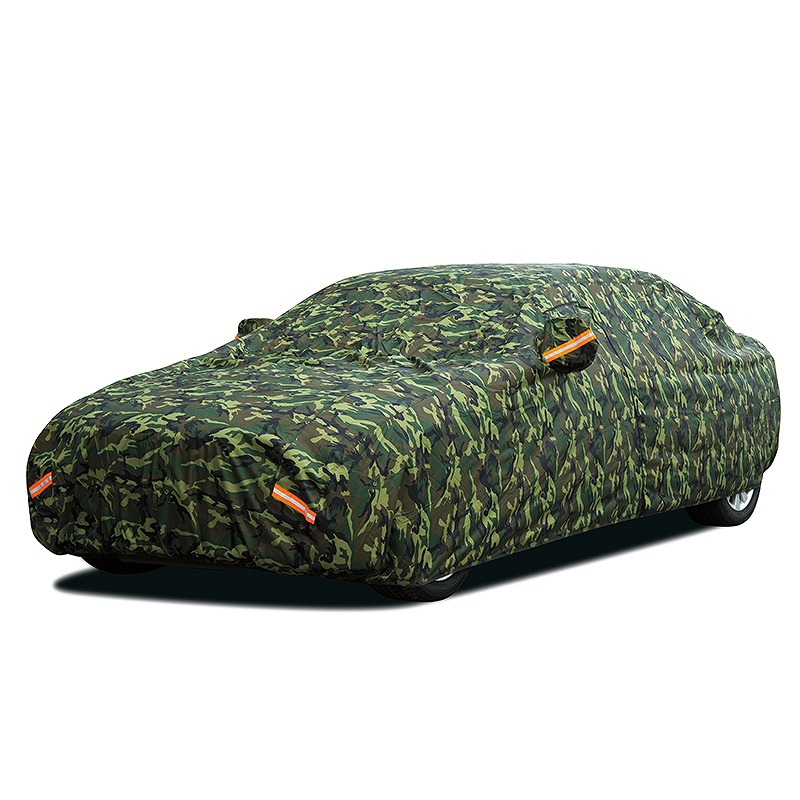
Match the Fabric to the Parking Environment
A car cover designed for an indoor garage may not meet the needs of a vehicle parked outside throughout the year. Indoor applications often prioritize dust protection, a soft inner surface, and convenient handling. Outdoor use requires more careful consideration of moisture exposure, sunlight, wind, and temperature changes.
Manufacturers should select materials according to the intended application rather than treating every cover as interchangeable. Buyers can clarify whether their customers need indoor storage covers, everyday outdoor protection, or products intended for specific seasonal conditions. This information helps determine fabric construction, surface treatment, and the overall product specification.
Water Resistance and Breathability Need to Work Together
Water resistance is an important consideration for outdoor car covers, but moisture management also matters. If condensation develops beneath a cover and cannot escape easily, the vehicle surface may remain damp for longer than expected.
The appropriate balance depends on fabric structure, coating, and intended use. A buyer evaluating a waterproof or water-resistant car cover should ask how the material performs under the expected conditions and whether the product is designed to manage trapped moisture. Clear descriptions of product limitations also help distributors set realistic expectations for end users.
Fit Determines How Well a Cover Stays in Place
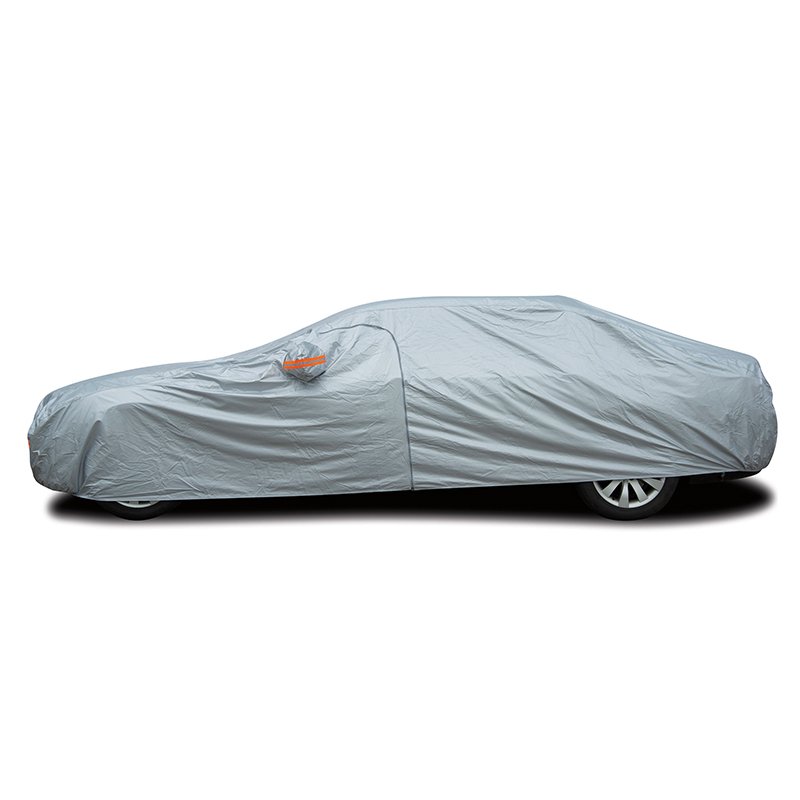
A cover that is too loose may move excessively in the wind, while one that is too tight can be difficult to install and remove. Poor fit may also leave parts of the vehicle exposed or place unnecessary tension on seams and attachment points.
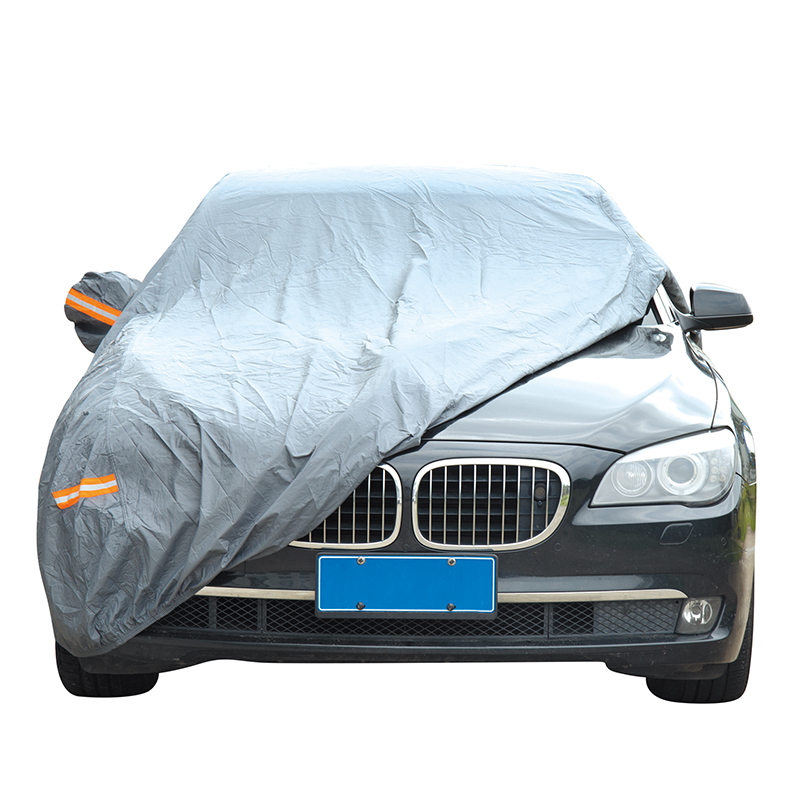
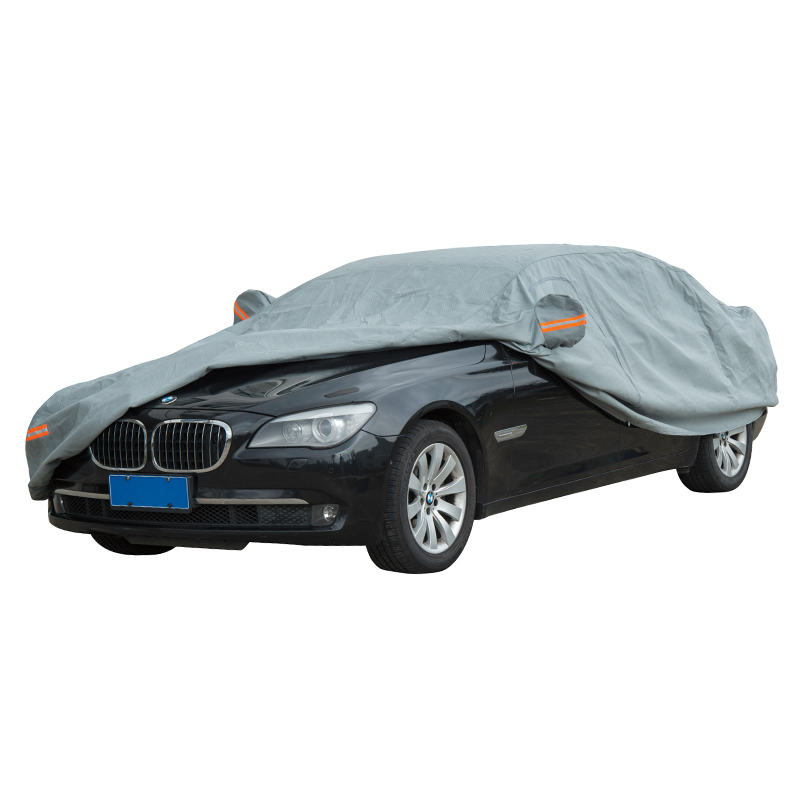
For manufacturers, pattern development should account for vehicle body contours, mirror positions, and the intended size range. Buyers sourcing covers for multiple vehicle categories should review length, width, height, and shape compatibility before confirming an order. Model-specific and universal-fit designs serve different purchasing needs, so the intended market should guide the decision.
Which Product Details Should Buyers Compare?
Product specifications help purchasing teams distinguish between covers that appear similar in photographs. Before selecting a model for wholesale distribution, buyers can review several practical details:
- Fabric composition, thickness, and surface characteristics
- Intended indoor or outdoor application
- Water resistance and moisture-management properties
- Inner lining and contact-surface design
- Elastic hems, straps, buckles, or other securing methods
- Available sizes, colors, and packaging options
These details provide a more useful basis for comparison than appearance alone. They also help buyers explain product differences to retailers and customers.
Wind Protection Depends on More Than Fabric Strength
Wind can lift a poorly secured cover, cause repeated movement, and increase friction between the fabric and vehicle surface. Even a suitable material may perform poorly if the fastening arrangement does not match the product's intended use.
Manufacturers should consider the relationship between cover shape, hem construction, strap placement, and ease of installation. Buyers serving regions with frequent windy conditions should ask about the recommended securing method and intended operating environment. A cover should be fitted and fastened according to its instructions, with particular attention to exposed edges and areas where movement may occur.
Production Consistency Matters for Wholesale Orders
For automotive accessory distributors and private-label brands, a satisfactory sample is only one part of the purchasing decision. Repeated orders need consistent dimensions, stitching, material appearance, and accessory configuration.
A structured manufacturing process can include incoming material inspection, pattern and size verification, seam checks, fastening tests, and final appearance inspection. Packaging should also be reviewed to ensure that product labels, size information, and included accessories match the order requirements. These checks help reduce avoidable differences between samples and delivered goods.
Build a Product Range Around Real Customer Needs
A well-planned car cover range can serve different customer groups without relying on a single specification for every vehicle and environment. Indoor storage, outdoor parking, seasonal protection, and private-label programs may require different combinations of fabric, sizing, and fastening details.
For overseas buyers, discussing these requirements directly with a Car Cover Factory helps turn broad purchasing expectations into a clear product specification. By aligning material selection, fit, practical features, and production checks with the intended application, manufacturers can help buyers develop car covers that offer useful everyday protection and meet the needs of their target markets.
 +86 576-83710338
 +86 576-83711188
 No.1 Market Road,Tantou Industrial Zone,Tiantai County, Taizhou City, Zhejiang, China
