


 English
 中文简体
中文简体 русский
 Español
 Deutsch
 عربى
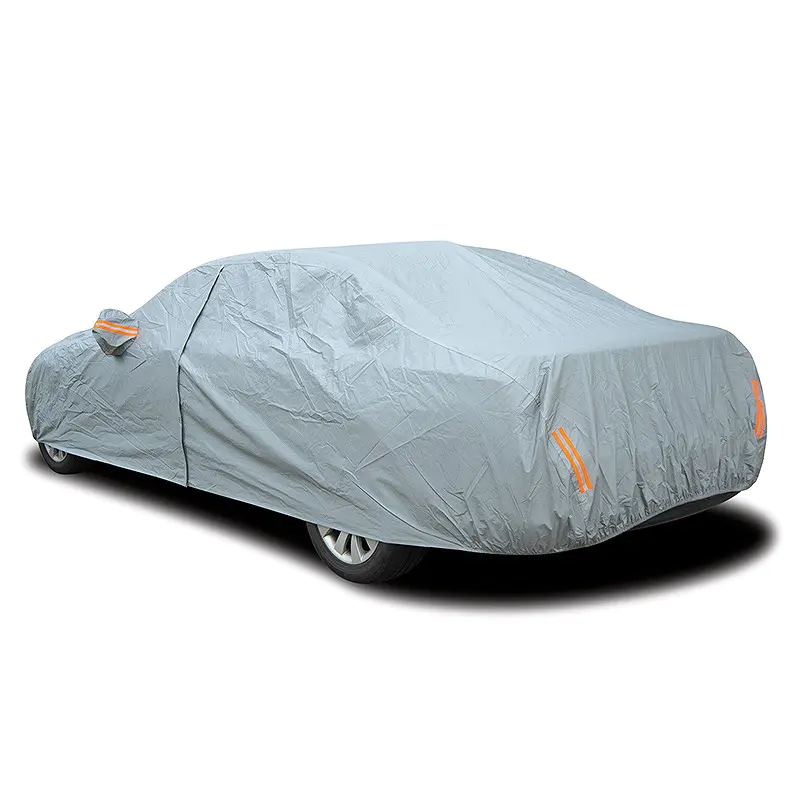
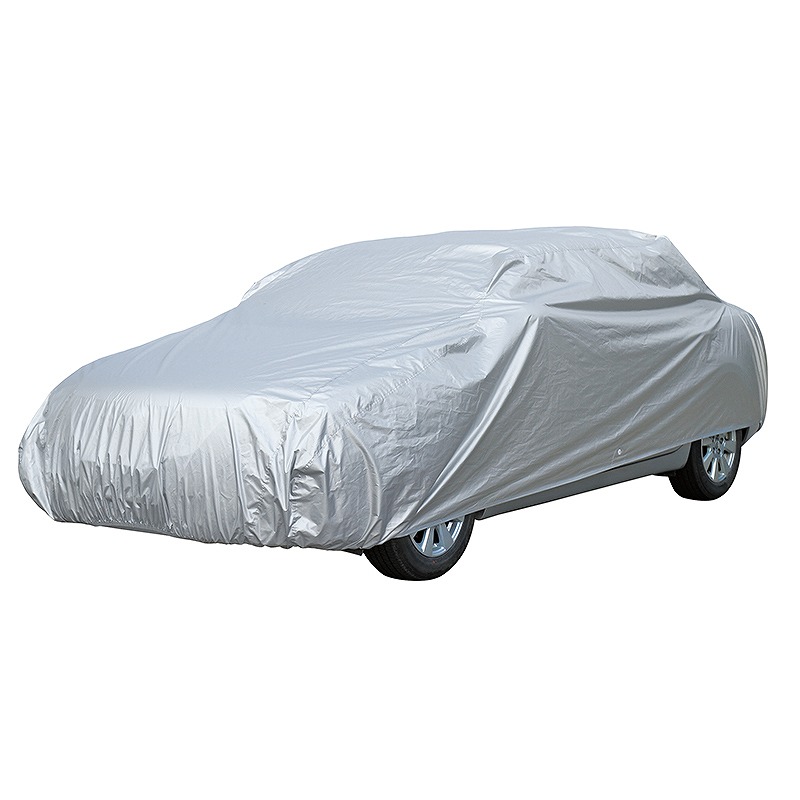
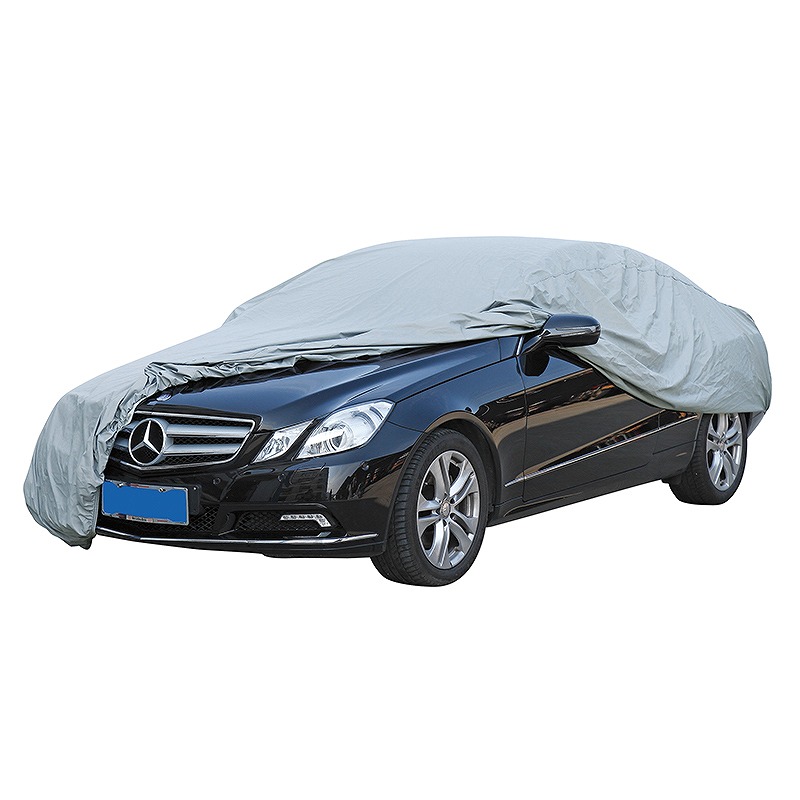
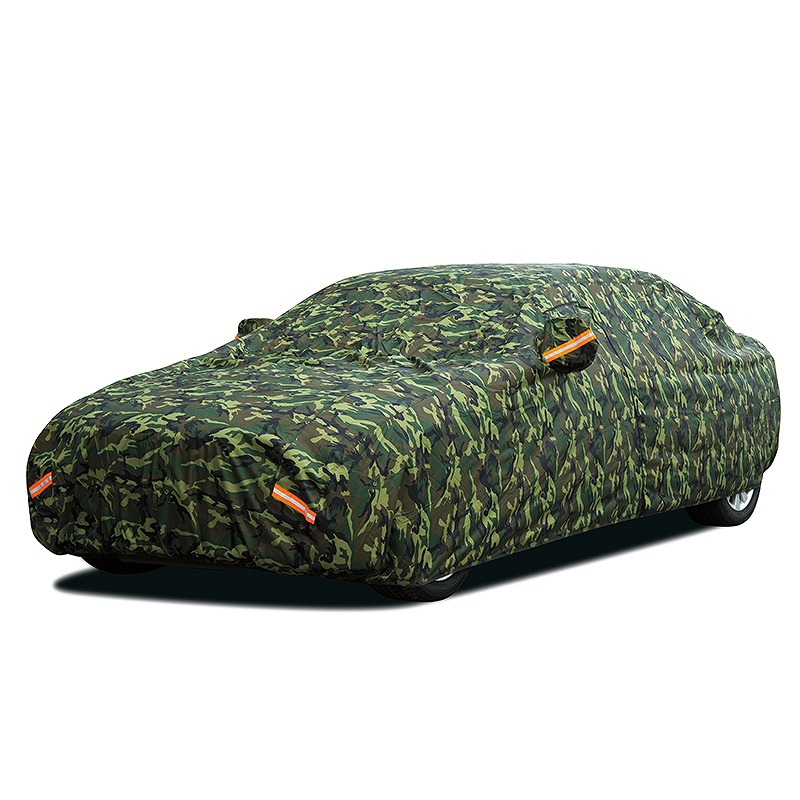
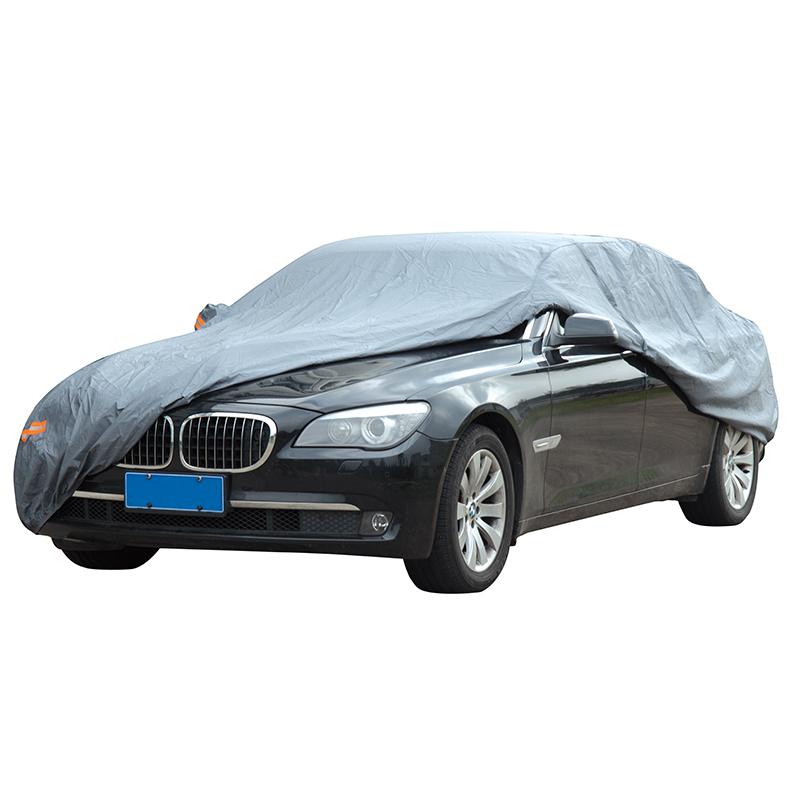
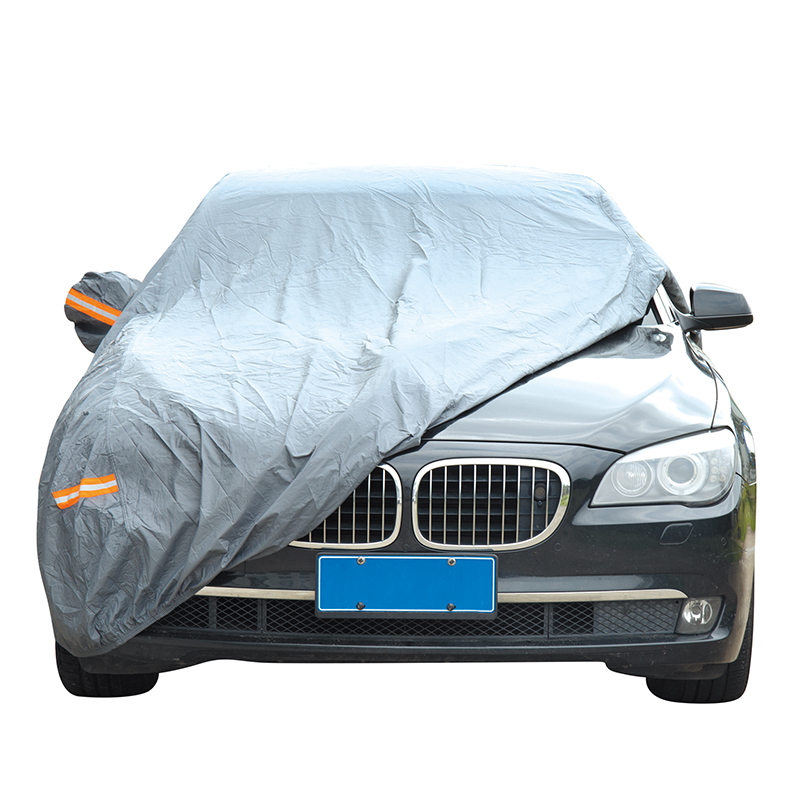
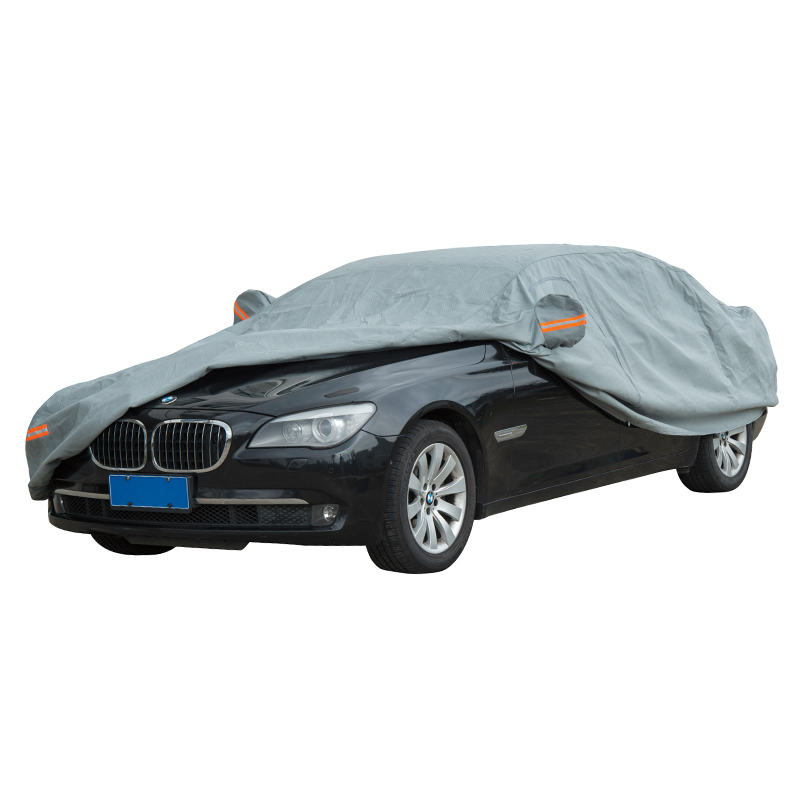
عربىA parked vehicle remains exposed to sunlight, dust, rain, tree sap, bird droppings, and other environmental conditions, even when it is not being driven. Recent automotive aftermarket coverage continues to highlight UV exposure, weather protection, breathability, and vehicle-specific fit as important considerations when selecting a cover. For distributors, automotive accessory brands, and importers, working with a reliable Car Cover Factory means looking beyond fabric appearance and evaluating how the finished product performs in its intended parking environment.
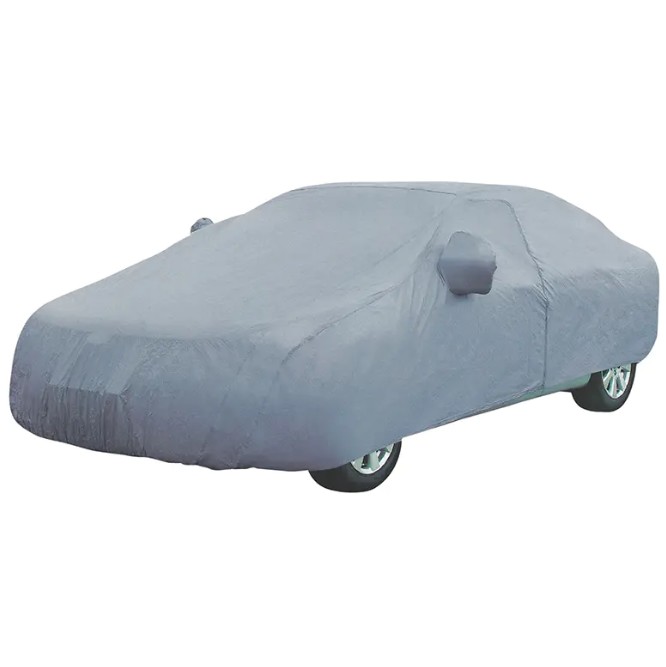
Start With Where the Vehicle Is Parked
Indoor storage and outdoor parking create very different requirements. A vehicle kept in a garage may primarily need protection from dust and accidental contact, while a car parked outside needs a cover designed to handle sunlight, rain, wind, and airborne dirt.
For wholesale buyers, identifying the main application before selecting materials can make product development more precise. It also helps manufacturers determine whether a lightweight indoor cover, outdoor protective cover, or multi-purpose design is appropriate for the target market.
Breathability Matters Alongside Water Resistance
One issue frequently discussed by vehicle owners is moisture trapped underneath a cover. A material that blocks external water but does not allow accumulated vapor to escape may create an uncomfortable environment beneath the cover.
This makes breathability an important part of outdoor cover design. The objective is not simply to make a fabric waterproof, but to balance resistance to rain with moisture management. Recent consumer discussions specifically show concern about condensation and moisture-related marks under unsuitable covers.
Choose the Material According to Exposure
Different fabrics offer different combinations of weight, durability, water resistance, UV resistance, softness, and handling convenience. There is no single material specification that automatically suits every vehicle or climate.
For procurement teams, useful questions include:
- Is the cover intended for indoor or outdoor use?
- How frequently will it be installed and removed?
- What level of UV exposure is expected?
- Does the inner surface need additional protection?
- How will the cover be folded, stored, and transported?
Answering these questions allows buyers to compare products according to application rather than relying only on fabric names.
Fit Can Influence Everyday Performance
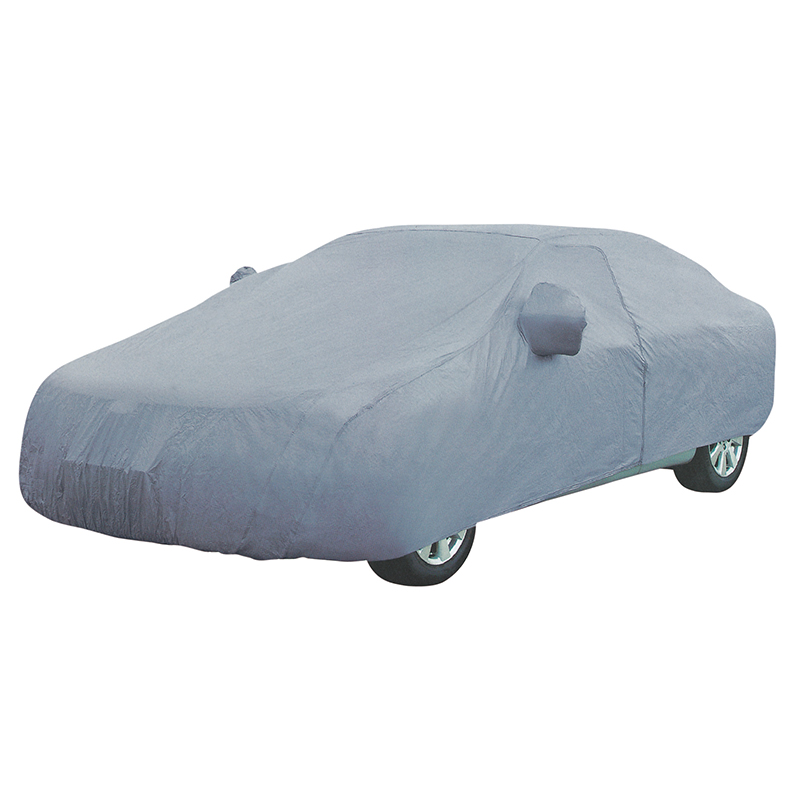
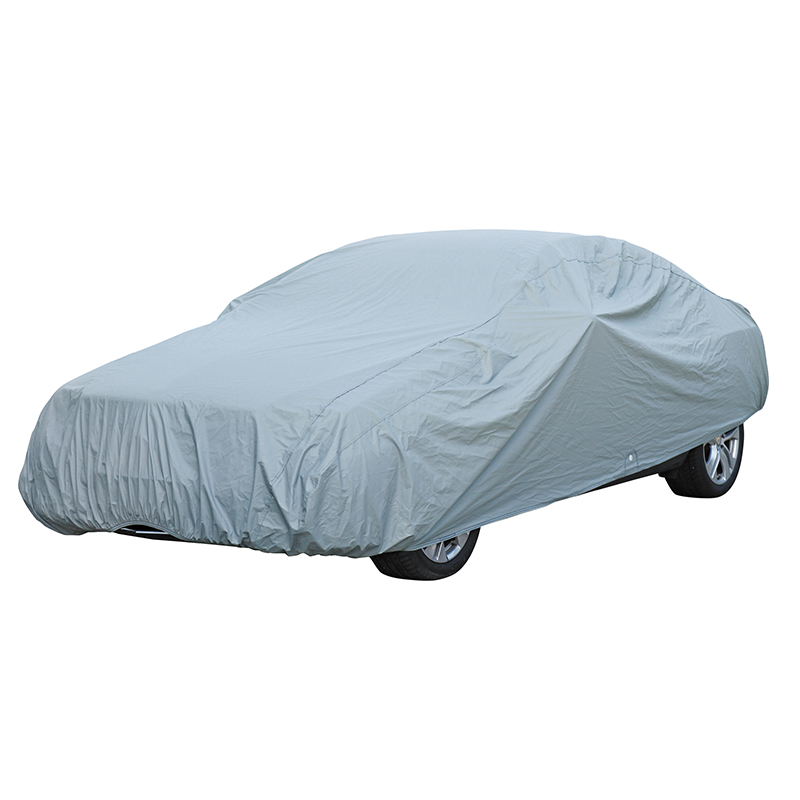
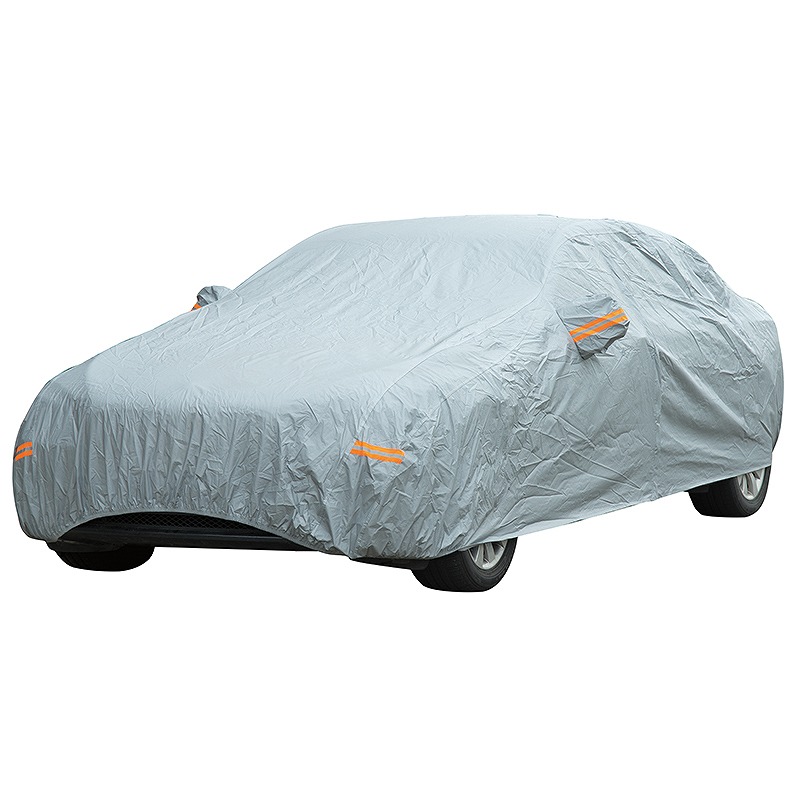
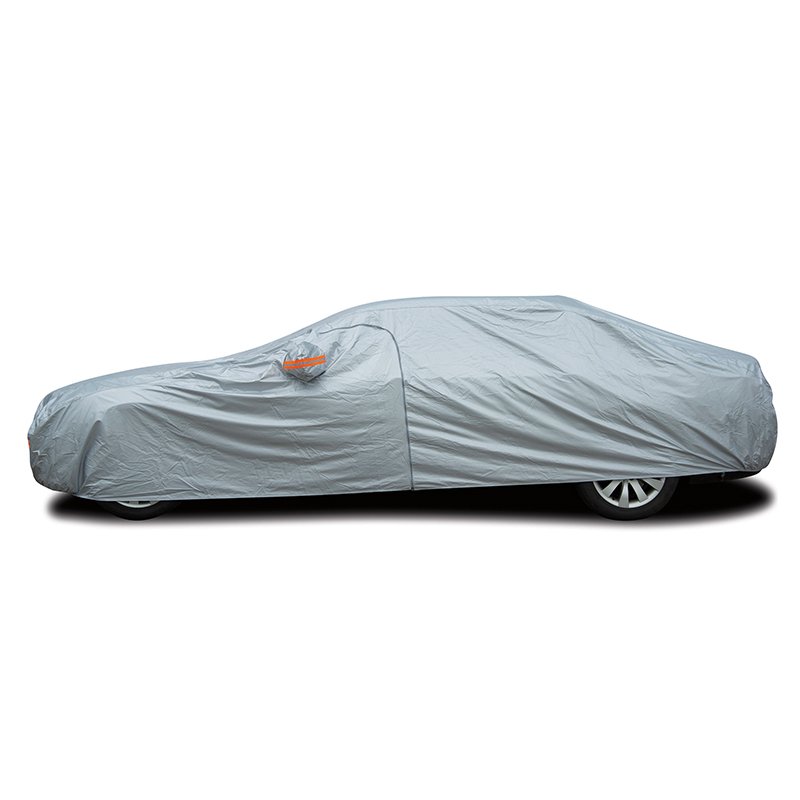
A loose cover may be easier to manufacture in a universal size, but fit affects how the product behaves after installation. Excess fabric can move in windy conditions, while a properly shaped cover can follow the vehicle's contours more closely.
For automotive accessory distributors, vehicle-specific patterns can also make product selection clearer for customers. Current aftermarket offerings increasingly use year, make, and model information to guide fitment, reflecting continued interest in customized vehicle covers.
Protect the Paint Without Creating New Problems
The inner surface deserves as much attention as the outer layer. Dust or grit trapped between a rough cover and the vehicle surface can create friction when the cover moves.
A suitable design should therefore consider inner fabric softness, seam placement, construction quality, and how the cover is secured. Manufacturers should also provide appropriate care instructions so users understand when the vehicle and cover should be clean before installation.
Think About Handling and Storage
A protective cover needs to be practical enough for regular use. If installation requires excessive effort or the folded product takes up too much storage space, customers may use it less frequently.
For wholesale buyers, packaging and accessories can also influence the final user experience. Storage bags, fastening solutions, labeling, and clear fitting instructions can make the product easier to distribute and use without changing the fundamental cover design.
Work With a Manufacturer That Understands the Full Application
For overseas buyers, evaluating a supplier should involve more than comparing fabric prices. Pattern development, sewing quality, material consistency, fitment options, inspection procedures, packaging, and customization capability all contribute to the finished product.
As a Car Cover Factory, we focus on connecting material selection and manufacturing details with the actual conditions in which a vehicle will be stored. For distributors and automotive brands, discussing climate, vehicle types, parking environments, and expected usage with the manufacturer can provide a stronger foundation for developing a practical Car Cover Factory product range.
 +86 576-83710338
 +86 576-83711188
 No.1 Market Road,Tantou Industrial Zone,Tiantai County, Taizhou City, Zhejiang, China
