


 English
 中文简体
中文简体 русский
 Español
 Deutsch
 عربى
عربىModern vehicle seats are no longer simple upholstered surfaces. Integrated side airbags, heating functions, ventilation systems, electric adjustments, folding mechanisms, and more complex seat shapes are creating new requirements for aftermarket accessories. For distributors, automotive accessory brands, and fleet buyers, selecting a Car Seat Cover Factory with the right development capability can help ensure that protective seat covers work with the vehicle rather than interfere with its intended functions.
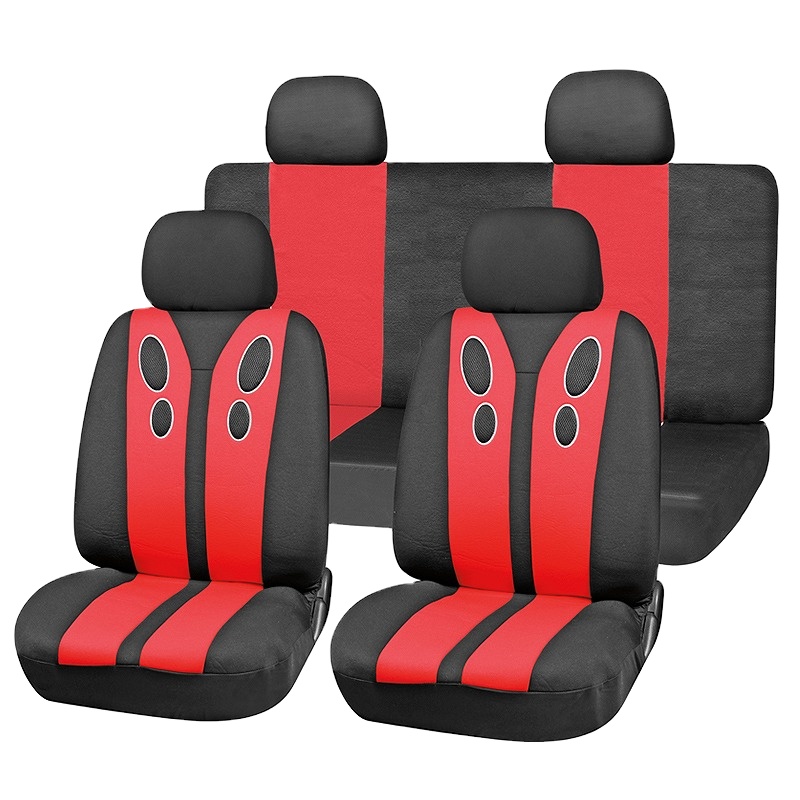
Seat Features Are Becoming Part of the Design Challenge
A traditional seat cover could often be developed around basic dimensions and general seat contours. Modern vehicles require a more detailed approach because functional components may be positioned within or around the seat structure.
When developing a custom seat cover, manufacturers need to understand where important features are located and how the cover will interact with them. A design that looks correct from the outside may still require adjustment if it restricts access, changes the intended movement of the seat, or does not account for integrated components.
Side Airbags Require Careful Product Development
Side airbags are one of the most important considerations when developing covers for compatible vehicle seats. The cover construction and seam arrangement need to take the seat's specific configuration into account.
For buyers sourcing vehicle-specific products, this means a supplier should not rely on a universal pattern for every application. Vehicle information, seat configuration, and relevant technical requirements should be reviewed during development so that the finished product is designed for its intended application.
This is an area where communication between the buyer and manufacturer can prevent costly redesigns later.
Heated and Ventilated Seats Need Material Consideration
Heating and ventilation are increasingly common features in vehicle interiors, creating another consideration for aftermarket seat-cover development. Cover materials, thickness, surface structure, and construction can influence the way the original seat feels and functions.
Manufacturers should therefore evaluate the intended application before recommending a material. Buyers may need to discuss:
- Seat heating or ventilation functions
- Material thickness and surface structure
- Airflow-related requirements
- Temperature and comfort expectations
- Attachment and fastening methods
- Vehicle-specific seat construction
The objective is not simply to make a cover fit physically, but to develop a product that remains appropriate for the seat's intended use.
Complex Seats Need More Accurate Patterns
Modern seat structures can include multiple contours and adjustment points, making pattern development increasingly important. Small differences around bolsters, headrests, armrests, controls, or folding sections can affect the finished appearance.
For a manufacturer, accurate pattern development provides a foundation for better fitment. Sampling is also useful because it allows the production team to evaluate how the material behaves on the actual seat rather than relying entirely on measurements.
This development stage can be particularly valuable for brands building catalogs for multiple vehicle models.
Universal Covers Are Not Always the Practical Answer
Universal products remain useful for certain applications, but they may not provide the same level of fit as vehicle-specific designs. As consumers increasingly personalize everyday vehicles, aftermarket companies have more opportunities to develop products around specific models and usage requirements. SEMA's 2026 market research also identifies vehicle personalization as a continuing force within the specialty-equipment market.
For distributors, the decision should depend on the target market. A universal cover may simplify inventory, while vehicle-specific car seat covers can provide greater differentiation when fit and appearance are important purchasing factors.
Development Capability Can Reduce Buyer Risk
For overseas procurement teams, supplier evaluation should include more than material samples and unit pricing. A manufacturer's ability to interpret vehicle information, develop patterns, produce samples, and adjust construction can directly affect the success of a new product.
A capable supplier should also communicate clearly about design limitations and technical requirements. Identifying a potential issue during development is much easier to manage than discovering it after a large production order has been completed.
Building Seat Covers for Today's Vehicles
The changing structure of automotive seats means seat-cover manufacturing requires a closer connection between product design and vehicle engineering. Protection, appearance, comfort, fitment, and functional compatibility all need to be considered during development.
From our manufacturing perspective, a Car Seat Cover Factory should do more than produce finished covers according to a basic pattern. It should be able to translate vehicle-specific requirements into practical production solutions, helping overseas buyers develop products that fit modern interiors and remain suitable for long-term aftermarket sales.
 +86 576-83710338
 +86 576-83711188
 No.1 Market Road,Tantou Industrial Zone,Tiantai County, Taizhou City, Zhejiang, China
