


 English
 中文简体
中文简体 русский
 Español
 Deutsch
 عربى
عربىDaily vehicle use creates very different challenges from showroom conditions. Children, pets, commuting, outdoor activities, food spills, and frequent entry and exit can all place additional demands on automotive interiors. For distributors and automotive accessory brands, the opportunity is to develop products that make seat protection easier without making the interior feel overly functional. A capable Car Seat Cover Factory can help buyers balance cleanability, comfort, appearance, and production requirements for different markets.
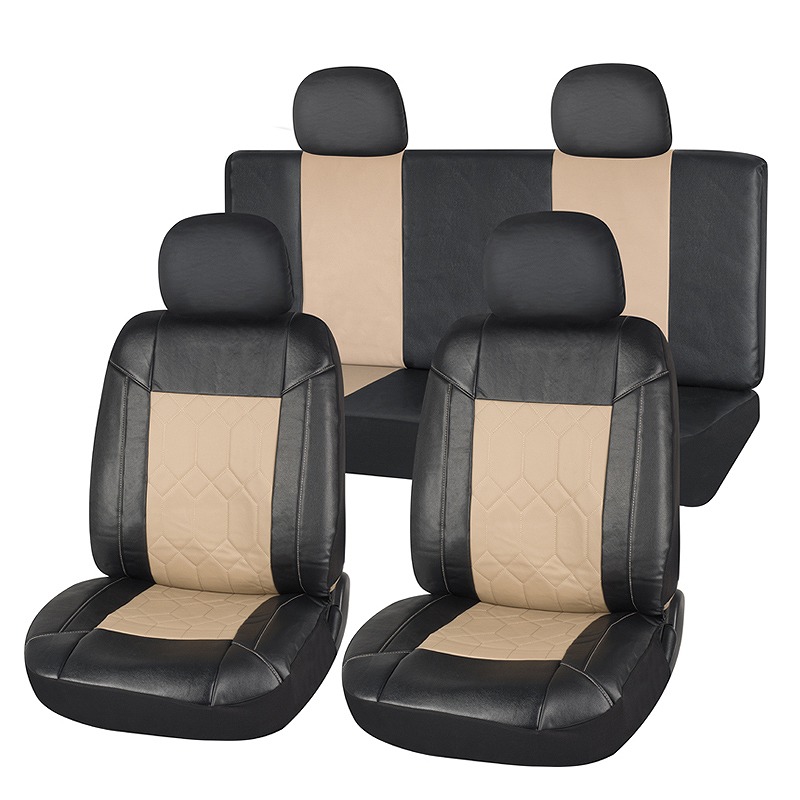
Everyday Use Changes What Buyers Need
A seat cover designed for occasional use does not necessarily meet the requirements of a vehicle used every day. Family vehicles, work vehicles, SUVs, and recreational vehicles may experience repeated exposure to dust, moisture, food, pet hair, and general wear.
This means buyers need to consider the complete use scenario rather than focusing only on the visual appearance of the finished cover. Material surface, construction, fastening method, and cleaning requirements can all influence how practical the product becomes after installation.
Easy Cleaning Can Be a Selling Point
For many drivers, protecting the original seat is only part of the reason for purchasing a cover. Convenience is equally important. If the cover is difficult to remove or clean, customers may be less satisfied even when the product provides good physical protection.
Manufacturers can help buyers evaluate materials according to practical maintenance requirements, including:
- Resistance to everyday dirt and stains
- Surface texture and hair retention
- Cleaning method and drying requirements
- Resistance to repeated handling
- Moisture management
- Appearance after regular cleaning
For distributors, these details can also become useful selling points when creating product descriptions for online stores and retail channels.
Pet Owners Need a Different Approach
Pet-friendly vehicle accessories have become an established category, and seat covers are often expected to handle hair, claws, moisture, and frequent cleaning. A suitable design needs to protect the seating surface while remaining practical for installation and removal.
Cover construction is particularly important around seams and attachment points. If the product is intended for pets, buyers may also need to consider rear-seat configurations, larger coverage areas, and access to seat belts or other vehicle functions.
The goal is not simply to make a heavier cover. The better approach is to match the construction and material selection with the actual use environment.
Family Vehicles Put Protection to the Test
Children can create another set of requirements. Food, drinks, mud, and frequent movement across the rear seats can quickly affect the original upholstery.
A well-designed family-oriented seat cover should therefore combine protection with convenient access to the areas that users need every day. Rear-seat configurations may require specific consideration for headrests, seat belts, folding functions, and other vehicle features.
For automotive accessory buyers, these practical details can help separate a useful product from a generic cover that simply fits over the seat.
Comfort Still Matters After Protection
Protection should not come at the expense of the driving experience. Material feel, ventilation characteristics, thickness, surface texture, and the stability of the installed cover can all affect comfort.
This is particularly important for products positioned in the mid-range or premium aftermarket. Drivers generally expect an interior accessory to look integrated with the vehicle rather than resemble a temporary protective layer.
Current automotive interior development is also placing attention on material innovation, customization, and sustainability. Automotive suppliers are exploring recycled-content materials and new surface technologies for seat-related applications, showing that protection and design are increasingly being considered together.
Product Design Should Support Repeat Use
For a manufacturer, durability is not simply about selecting a strong fabric. The entire construction needs to support repeated installation, removal, adjustment, and cleaning.
Buyers should therefore examine the relationship between the material and the finished construction. Stitching, fastening components, reinforcement areas, and pattern accuracy can all influence how the product performs after repeated use.
For private-label programs, maintaining the same construction standards across production batches is also important. A successful sample needs to translate into a repeatable manufacturing process.
Building Products Around Real Driving Habits
The most useful seat covers are developed around how vehicles are actually used. Family transportation, pet travel, commuting, outdoor activities, and commercial driving can each create different protection requirements.
From a manufacturer's perspective, understanding these use cases helps us recommend appropriate materials, construction methods, patterns, and customization options instead of offering the same specification for every customer. For overseas buyers, working with a Car Seat Cover Factory that can translate real-world usage requirements into practical production solutions can make it easier to create products that customers will use regularly, maintain conveniently, and purchase again.
 +86 576-83710338
 +86 576-83711188
 No.1 Market Road,Tantou Industrial Zone,Tiantai County, Taizhou City, Zhejiang, China
