


 English
 中文简体
 русский
 Español
 Deutsch
 عربى
A seat cushion designed for an office chair may not be suitable for an outdoor bench or an automotive seat. Although all these products provide seating support, their operating environments, structural requirements, and expected usage patterns are quite different. For furniture brands, automotive component suppliers, and wholesale buyers, selecting a suitable Seat Cushion Factory means understanding how product applications influence material selection, construction methods, and manufacturing standards. Matching cushion specifications to the final application can help reduce fitting problems and improve the overall product experience.
Why Should Cushion Design Start with the Application?
Different seating environments place different demands on cushion construction. Office chairs are generally used for extended working periods, so buyers often prioritize consistent support and resistance to repeated compression. Automotive cushions need to accommodate seat frames, interior styling, and frequent changes in seating positions.
Outdoor furniture presents another set of requirements. Cushions may be exposed to sunlight, humidity, temperature changes, and occasional moisture. These conditions make fabric selection and maintenance requirements particularly important.
For manufacturers, understanding the final application helps determine which materials and construction methods should be considered during product development.
What Makes Automotive Seat Cushions Different?
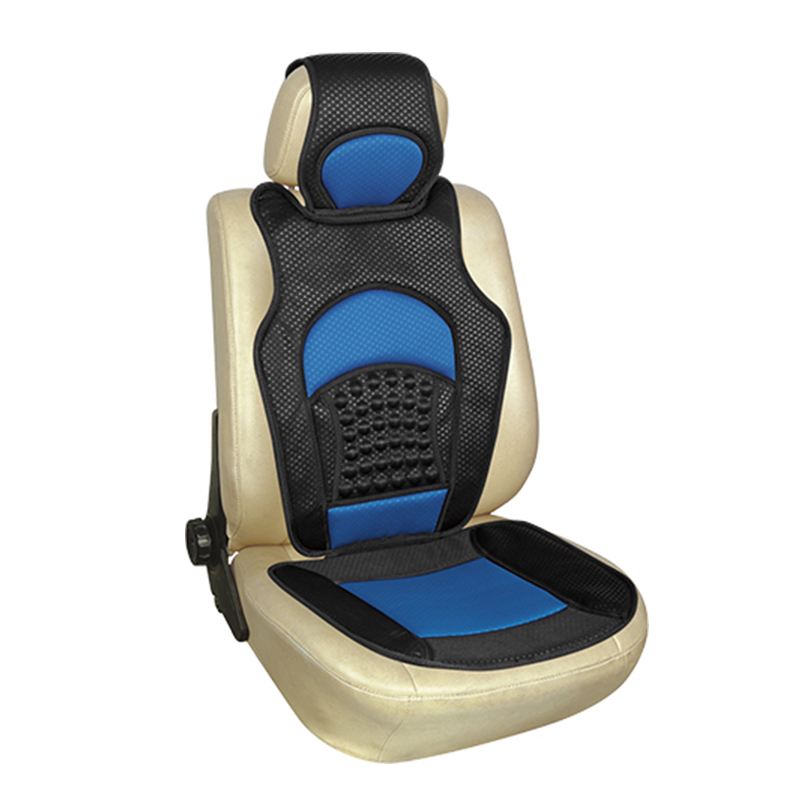
Automotive cushions need to fit specific seat structures while maintaining their intended shape and surface appearance. Their design may include curved contours, different foam thicknesses, side support sections, and openings for integrated seat components.
Material selection also requires attention to the vehicle's interior environment. Temperature exposure, repeated compression, fabric durability, and compatibility with surrounding materials can influence the product specification.
Buyers working with automotive suppliers should provide detailed drawings, dimensional requirements, and information about the intended seat structure. This allows manufacturers to evaluate the cushion configuration before preparing production samples.
How Should Office Chair Cushions Be Developed?
Office seating often involves prolonged daily use, making support consistency and surface durability important purchasing considerations.
A suitable office chair cushion should be designed around the seat frame, user posture requirements, and expected usage conditions. Foam firmness, cushion thickness, edge shape, and cover fabric all influence the final seating experience.
Procurement teams should pay particular attention to:
- Foam specifications and compression characteristics.
- Cushion thickness and overall seat dimensions.
- Fabric abrasion resistance and stitching quality.
- Compatibility with the chair frame.
- Consistency between approved samples and bulk production.
For manufacturers, balancing these details helps develop products that meet different office furniture designs.
What Should Buyers Consider for Outdoor Seat Cushions?
Outdoor seating products require additional attention to environmental exposure. Sunlight, moisture, and changing weather conditions can affect fabrics, colors, and internal cushioning materials.
Depending on the intended application, buyers may consider fabrics with suitable UV resistance, moisture-management characteristics, and practical cleaning requirements. Cushion construction should also take into account drainage and storage arrangements where relevant.
However, not every outdoor cushion needs the same material specification. A covered patio chair and an exposed garden bench may experience very different conditions.
Manufacturers should therefore confirm the expected environment before recommending suitable materials and construction options.
Can Sofa and Dining Chair Cushions Share the Same Specifications?
Although both belong to the home furniture category, sofa cushions and dining chair cushions often serve different purposes.
Sofa cushions may require greater thickness, layered construction, and shapes that complement the furniture's overall design. Dining chair cushions are often thinner and need to maintain a neat profile while fitting a relatively compact seating structure.
These differences affect foam selection, cover patterns, stitching details, and production methods. For furniture brands managing multiple collections, having separate specifications for each product type can improve design consistency and simplify quality inspection.
Why Is Application-Based Quality Inspection Important?
A general visual inspection cannot identify every issue associated with a particular seating application. Quality checks should reflect how the finished cushion will actually be used.
For example, automotive cushions may require close dimensional checks against seat drawings, while outdoor cushions need greater attention to fabric properties and moisture-related requirements.
A manufacturing inspection plan may include:
- Foam dimensions and material specifications.
- Fabric appearance and stitching condition.
- Cushion shape and dimensional consistency.
- Cover fitting and assembly quality.
- Application-specific testing according to buyer requirements.
Maintaining approved samples and clear production records also helps manufacturers control quality across repeat orders.
Finding a Seat Cushion Manufacturing Partner for Different Markets
International buyers often need a supplier capable of supporting multiple seating categories rather than producing only one standard cushion design. Manufacturing flexibility, material sourcing, sample development, and consistent quality control can all influence supplier selection.
As a manufacturer, we believe that successful cushion development begins with understanding the final seating application. A professional Seat Cushion Factory should be able to coordinate product dimensions, foam specifications, fabric options, and construction details according to different project requirements. This application-based approach helps furniture brands, automotive suppliers, and distributors develop products that are better aligned with their target markets.
 +86 576-83710338
 +86 576-83711188

 No.1 Market Road,Tantou Industrial Zone,Tiantai County, Taizhou City, Zhejiang, China

