


 English
 中文简体
 русский
 Español
 Deutsch
 عربى
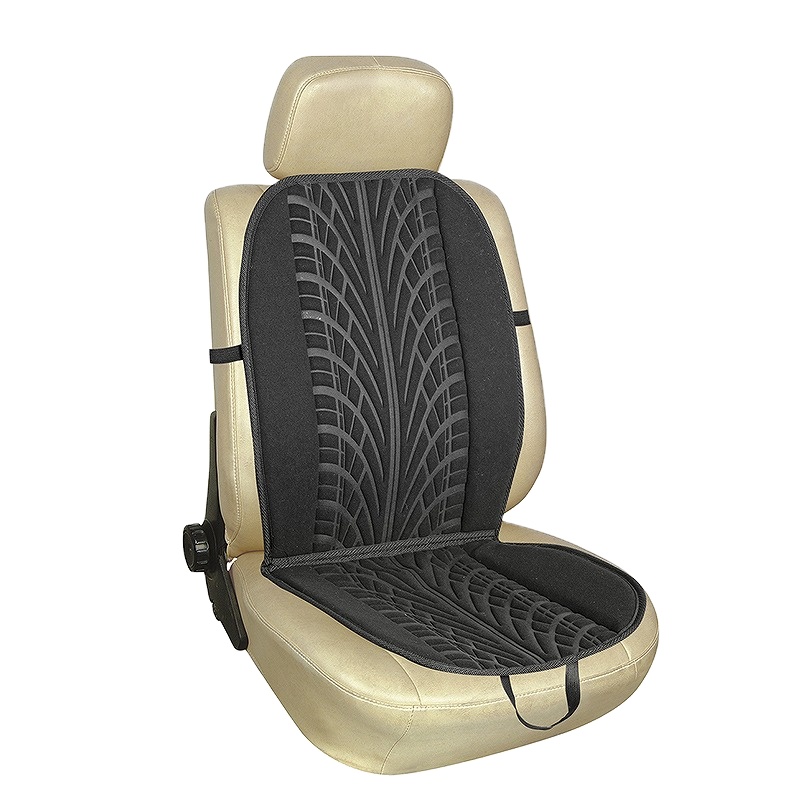
Seat cushions are used in a wide range of products, from office chairs and automotive interiors to sofas, dining chairs, and outdoor furniture. Although these products may serve a similar purpose, their structural requirements can be very different. A cushion designed for one seating frame may not fit another, even when the overall dimensions appear similar. For furniture brands, automotive suppliers, and wholesale buyers, choosing a reliable Seat Cushion Factory means finding a manufacturing partner that understands dimensional accuracy, customized shapes, and the relationship between cushion construction and seat structure.
Why Can Standard Cushion Sizes Create Fitting Problems?
Standard-size cushions are suitable for certain general applications, but customized seating products often require more precise dimensions. Differences in frame geometry, backrest angles, edge contours, and mounting positions can affect the final fit.
A cushion that is slightly too wide may interfere with the surrounding frame, while insufficient thickness can create an uneven seating surface. These issues may also affect the finished appearance of upholstered furniture.
For manufacturers, reviewing technical drawings and physical samples is an important part of customization. Buyers should provide accurate measurements and clarify how the cushion will be installed before production begins.
How Does Shape Design Affect the Finished Product?
Not all seat cushions have a simple rectangular structure. Automotive seats, ergonomic office chairs, and specialized furniture may require curved edges, recessed sections, tapered sides, or irregular profiles.
These shapes influence both the cutting process and the final assembly. Manufacturers need to consider:
- Overall length, width, and thickness.
- Curved edges and corner radii.
- Recessed areas and structural cutouts.
- Cushion contours and transition sections.
- Alignment with the supporting frame.
Accurate cutting and consistent processing help ensure that customized cushions follow the approved design. For complex products, digital drawings and sample confirmation can reduce misunderstandings between buyers and production teams.
Why Is Sample Development Important Before Mass Production?
A technical drawing provides essential design information, but it may not reveal every issue that appears during actual assembly. Foam flexibility, fabric tension, edge finishing, and cushion compression can all influence the final result.
This is why sample development plays an important role in OEM and ODM projects. A physical sample allows buyers to check dimensions, appearance, installation compatibility, and material performance before confirming a bulk order.
During sample evaluation, procurement teams should pay attention to:
- Whether the cushion matches the specified dimensions.
- Whether the shape fits the intended seat structure.
- Whether the cover fabric follows the cushion contours.
- Whether stitching and edge finishing meet expectations.
- Whether the overall appearance matches the approved design.
Changes should be confirmed before the production specification is finalized.
Can Fabric Construction Affect Cushion Dimensions?
The foam core is not the only factor influencing the finished cushion size. Fabric thickness, stitching allowance, seam placement, and cover tension can also affect the final dimensions.
For cushions with complex curves, an incorrectly developed cover pattern may create wrinkles, excessive tension, or uneven surfaces. This can affect both appearance and assembly efficiency.
Manufacturers should coordinate foam cutting and fabric pattern development rather than treating these processes as completely separate operations. Consistent pattern specifications also help maintain product appearance across repeated production batches.
What Should Buyers Include in a Custom Cushion Specification?
Incomplete technical information can lead to repeated sample revisions and production delays. Before requesting a quotation, buyers should prepare as much relevant information as possible.
A practical specification should include:
- Product drawings with key dimensions.
- Intended seating application and installation method.
- Foam type, density, and firmness requirements.
- Cover material, color, and stitching preferences.
- Required cutouts, curves, or special contours.
- Expected order quantity and packaging requirements.
Reference samples and photographs can also help manufacturers understand design details that may be difficult to communicate through measurements alone.
How Do Manufacturers Maintain Consistency Across Bulk Orders?
Once a customized sample has been approved, maintaining consistency becomes a key production responsibility. Manufacturers need to follow the confirmed specifications when cutting foam, preparing fabric covers, assembling components, and inspecting finished products.
Dimensional checks, visual inspections, stitching evaluation, and sample comparisons can help identify differences between production batches.
For buyers managing several product models, maintaining clear drawings and revision records is particularly important. Even a small design adjustment should be communicated and documented before the next production run.
Choosing a Seat Cushion Factory for Customized Projects
Custom cushion manufacturing requires coordination between design information, material selection, processing methods, and quality inspection. A suitable manufacturing partner should be able to review drawings, develop samples, discuss production limitations, and maintain consistent specifications during bulk manufacturing.
As a manufacturer, we understand that different seating applications require different cushion shapes and construction details. A professional Seat Cushion Factory should therefore focus on more than standard product dimensions, providing practical customization support for furniture brands, automotive suppliers, and international distributors. Careful sample development and controlled production processes help buyers turn design requirements into finished products that fit their intended applications.



 +86 576-83710338
 +86 576-83711188

 No.1 Market Road,Tantou Industrial Zone,Tiantai County, Taizhou City, Zhejiang, China

