


 English
 中文简体
中文简体 русский
 Español
 Deutsch
 عربى
عربىCar Seat Cover Factory and Accessories Factory are increasingly positioned around changing urban mobility needs, where vehicle interiors are expected to handle daily wear from commuting, ride-sharing, and long-term usage patterns. As interior protection becomes part of routine vehicle maintenance planning, attention shifts toward material structure, compatibility, and long-term usability rather than short-term appearance.
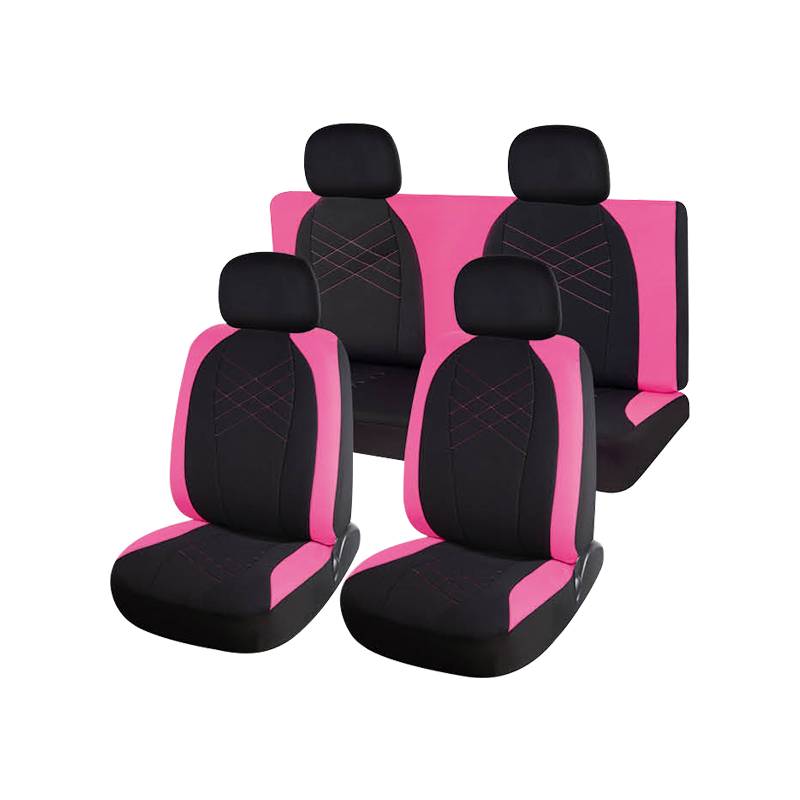
Why Interior Protection Needs Are Changing
Urban driving environments place different demands on vehicle interiors compared with occasional or leisure use. Frequent entry and exit, exposure to dust, food residues, and variable weather conditions contribute to faster interior surface wear.
In ride-hailing and shared mobility scenarios, vehicles may carry multiple passengers daily, increasing the importance of protective layers that are easy to maintain and replace. Car Seat Cover Factory production processes are therefore often developed around repeat usage considerations, focusing on structural stability and fitting consistency. Accessories Factory output also connects with this shift, as interior accessories are now expected to support modular upgrades, allowing users to adjust components without replacing entire seat systems.
Material Structure and Design Adjustments in Production
Recent development trends in seat cover and interior accessory production focus on balancing protection and usability. Instead of emphasizing visual appearance alone, more attention is given to fabric layering, stitching reinforcement, and installation flexibility.
Car seat covers are commonly structured using multiple layers, where the outer layer is designed for surface contact resistance, while inner layers help maintain shape alignment with seat contours. This reduces slippage during movement and supports a more stable seating experience over time.
Accessories Factory production lines often align with these requirements by producing supporting components such as fastening hooks, adjustment straps, and modular trims. These parts are designed to work together with seat covers, allowing installation across different vehicle models without requiring major modification.
Key practical considerations in manufacturing include:
- Compatibility with standard seat shapes across multiple vehicle categories
- Material selection that supports repeated cleaning cycles
- Attachment systems that reduce shifting during daily use
- Simplified installation steps that do not require specialized tools
These factors influence how products are designed from the beginning, rather than being added at later stages.
Application Scenarios in Urban Mobility
Car seat covers and related interior accessories are used in a range of urban transportation environments. Private vehicle owners often install them to reduce long-term surface wear and simplify cleaning routines. In shared mobility fleets, they are applied as replaceable layers that can be updated periodically based on usage cycles.
Taxi and ride-sharing vehicles tend to experience higher passenger turnover, making washable and removable seat covers practical for maintaining interior conditions. In delivery and service vehicles, where equipment and goods may be placed inside cabins, seat protection helps reduce abrasion from frequent loading and unloading activities.
Accessories Factory components extend usability across these scenarios by supporting small but functional upgrades. Items such as seat organizers, protective trims, and fitting components help adapt interiors to different operational needs without structural changes to the vehicle itself.
Usage Observations and Field Feedback
Observations from long-term usage patterns indicate that interior protective systems perform differently depending on installation quality, material selection, and maintenance frequency. Users often highlight several practical points:
- Seat covers with stable fastening systems tend to require fewer readjustments during weekly use
- Materials with smoother surface textures are easier to clean in urban dust conditions
- Modular accessories allow partial replacement instead of full interior changes
- Consistent fitting reduces movement noise during driving
In shared fleet environments, replacement cycles for seat covers are often planned based on passenger volume rather than fixed time intervals. This approach helps maintain interior consistency without unnecessary material waste.
Some operators also combine Car Seat Cover Factory products with Accessories Factory components to create layered interior setups. For example, a base seat cover may remain installed for longer periods, while smaller accessories are replaced more frequently based on wear conditions.
Manufacturing and Industry Development Direction
The direction of interior protection manufacturing is gradually moving toward system-based design rather than isolated products. Car Seat Cover Factory operations are increasingly connected with broader Accessories Factory production networks, allowing coordinated development of interior systems.
Instead of producing seat covers as standalone items, manufacturers are considering how they interact with flooring protection, storage solutions, and dashboard accessories. This integrated approach supports more consistent interior planning across different vehicle categories.
Material development also reflects this shift. Synthetic fabrics, blended textiles, and layered composites are commonly used to balance comfort, durability under daily contact, and ease of maintenance. Production processes are adjusted to maintain consistent stitching and fitting accuracy, especially for vehicles with varied seat configurations.

 +86 576-83710338
 +86 576-83711188
 No.1 Market Road,Tantou Industrial Zone,Tiantai County, Taizhou City, Zhejiang, China
