


 English
 中文简体
中文简体 русский
 Español
 Deutsch
 عربى
عربىLong hours spent commuting can place strain on the back, hips, and legs, making the choice of seating accessories an important consideration. For drivers and passengers alike, selecting solutions from a trusted Car Seat Cover Manufacturer and Seat Cushion Manufacturer can play a practical role in maintaining comfort and reducing fatigue during daily travel.
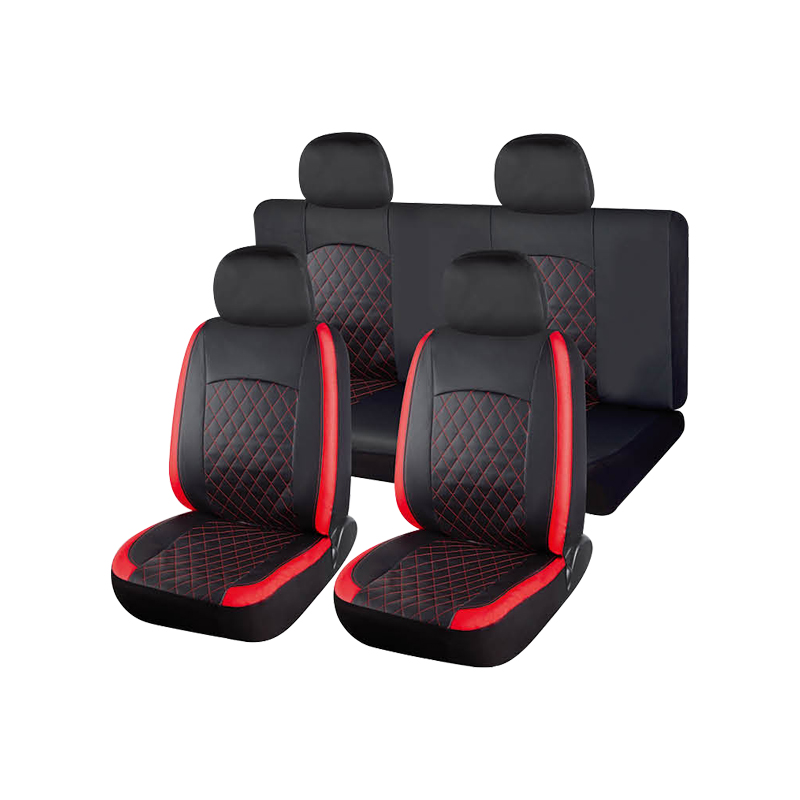
Key Elements of Seat Cushion Design
When reviewing cushions for vehicle use, several design factors contribute to how seating supports posture. These include:
- Shape and Contour: Cushions with carefully designed contours provide a stable base for the pelvis and help maintain a neutral spine position.
- Material Composition: Foam density, gel inserts, and fabric coverings each influence the firmness, flexibility, and temperature regulation of the cushion.
- Surface Texture: Textured surfaces can reduce sliding and help keep the user aligned with the seat.
- Attachment Features: Straps, buckles, and anti-slip bases help keep cushions in place, preventing unnecessary movement during travel.
These elements are often considered by manufacturers to create seat cushions that fit a variety of vehicle seat shapes and user needs. Choosing the right combination depends on the type of vehicle, duration of daily commutes, and personal comfort preferences.
How Cushions Interact With Car Seats
Car seat covers and cushions are closely linked in function. A seat cover adds a protective layer to the original car seat, while the cushion modifies the seating surface to provide more consistent support. Materials used in car seat covers, such as synthetic fabrics or leather-like finishes, can affect breathability and grip. When paired with a seat cushion, they influence pressure distribution and overall seating stability. Practical considerations include:
- Ensuring the cushion does not interfere with seat belt or airbag operation
- Matching the cushion thickness to seat depth and vehicle ergonomics
- Considering removable covers that can be cleaned alongside the cushion
Understanding the interaction between these products helps users maintain a stable seating environment over long periods, especially for daily commutes.
Adjusting Cushion Placement for Comfort
Even a well-designed cushion requires proper placement. The following steps can improve posture support without relying on complex adjustments:
- Position the cushion so that the lower back is supported against the seat backrest.
- Align the cushion edges with the seat contours to avoid uneven pressure points.
- Ensure thighs are supported evenly and feet can rest flat on the floor.
Small adjustments like these can reduce tension in the lower back and hips, providing a more consistent seating experience.
Selecting Materials With Daily Use in Mind
Durable, easy-to-maintain materials are a practical factor when choosing a seat cushion. Fabrics that resist staining, foams that retain shape after repeated use, and coverings that can be cleaned regularly contribute to long-term usability. Additionally, materials that allow airflow help limit discomfort during warmer months. While the focus is on everyday functionality rather than extreme performance, careful material selection can reduce wear and improve the overall experience of using the cushion and cover together.
Compatibility and Vehicle Considerations
Vehicle type and seat design are important when evaluating cushions and covers. Standard sedan seats differ from SUV or van seats in width, height, and tilt angle. Users should check dimensions and attachment methods to ensure the cushion stays in place without affecting driving posture or seat operation. Considering the shape of the car seat backrest, the position of headrests, and side bolsters can make the difference between stable support and frequent readjustment.
FAQ: Practical Questions About Seat Cushions
Q1: How thick should a seat cushion be for long commutes?
A1: Thickness depends on the seat and user height. Typically, a moderate thickness that supports the pelvis without lifting the knees too high works well.
Q2: Can seat cushions fit under existing seat covers?
A2: Yes, many cushions are designed to fit under covers, but it is important to check that straps or non-slip features remain effective.
Q3: How do I clean a cushion used daily in a car?
A3: Many cushions have removable covers or wipeable surfaces. Regular cleaning with mild soap and water or a vacuum helps maintain hygiene.
Q4: Are gel inserts necessary for long drives?
A4: Gel inserts can provide extra pressure distribution, but foam cushions alone can be sufficient if properly contoured.
Q5: Do cushions interfere with car safety features?
A5: Properly designed cushions do not interfere with seat belts or airbags. Always check the manufacturer's guidelines before use.
Q6: How often should a cushion be replaced?
A6: Replacement depends on material wear and deformation. When the cushion no longer maintains its shape or support, it is time to consider a new one.




 +86 576-83710338
 +86 576-83711188
 No.1 Market Road,Tantou Industrial Zone,Tiantai County, Taizhou City, Zhejiang, China
