


 English
 中文简体
中文简体 русский
 Español
 Deutsch
 عربى
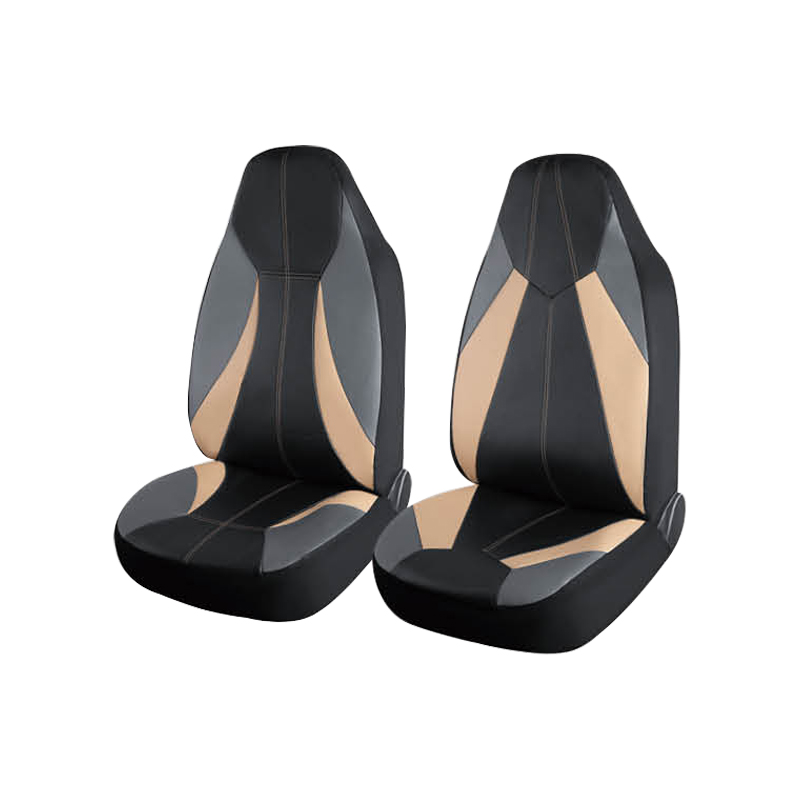
عربىChoosing the right materials for car interiors requires careful attention to both functionality and maintenance. For a Car Seat Cover Manufacturer or Seat Cushion Manufacturer, understanding material properties is essential to provide options that maintain comfort while simplifying care. The selection of fabrics and coatings directly influences wear resistance, ease of cleaning, and long-term performance of seat covers and cushions.
Key Material Types for Car Seat Covers
Car seat covers are commonly produced from synthetic leather, fabric blends, and specialized polymers. Each material type offers unique handling characteristics:
- Synthetic Leather: Often chosen for its smooth texture and moisture resistance. This material can be wiped clean and tends to resist light staining.
- Polyester Fabric: Provides flexibility and breathability, suitable for daily use. Spills may require spot cleaning, and regular vacuuming helps maintain the appearance.
- Polyurethane-Coated Fabrics: Offer added durability against abrasion and make surface cleaning simpler. These coatings can slightly affect breathability but increase resistance to minor wear.
Material selection also depends on the intended use environment. High-traffic vehicles may prioritize abrasion resistance, while vehicles in dusty or pet-friendly settings might benefit from fabrics that resist debris accumulation.
Features That Affect Cleaning Ease
Practical design often pairs with material properties to influence maintenance. Features that contribute to easier cleaning include:
- Smooth surface finishes that reduce dirt adherence
- Removable covers that allow machine washing
- Water- and stain-resistant coatings
For seat cushions, material density and stitching style can also impact how quickly dirt or liquids penetrate, affecting cleaning frequency and approach. Choosing covers and cushions that are easy to detach and handle can save time for vehicle owners.
Durability Considerations in Material Selection
Durability involves both the material's resistance to physical wear and its stability over time under repeated use. While stronger fabrics resist tearing or deformation, attention must also be given to flexibility and comfort. A balanced approach ensures the seat cover or cushion retains shape without requiring intensive care routines. Reinforced stitching and double-layered fabrics can extend the functional life of seat products without adding complex cleaning requirements.
Maintenance Practices That Preserve Material Integrity
Proper care routines enhance the usability of car seat covers and cushions. Recommended practices include:
- Regular vacuuming to remove dust and particles
- Immediate attention to spills using appropriate cleaning agents
- Avoidance of harsh chemicals that may degrade coatings or fibers
- Periodic rotation of cushions to distribute wear evenly
Even minor preventive steps can reduce the frequency of deep cleaning, making maintenance more manageable for vehicle owners.
Selecting Materials for Specific Environments
Vehicle use conditions often dictate material choice. For example, cars frequently exposed to sunlight benefit from UV-resistant coatings, which can prevent fading over time. Similarly, vehicles in humid or wet climates require materials that resist moisture accumulation while remaining comfortable for passengers. Seat cushions with quick-drying foam or fabrics that repel water can support more practical upkeep.
FAQ: Practical Guidance for Car Seat Covers and Cushions
Q1: How do I remove stains from synthetic leather seat covers?
A1: Wipe the area with a damp cloth using mild soap. Avoid soaking or using strong solvents, which may damage the coating.
Q2: Can polyester fabric seat covers be machine washed?
A2: Many polyester covers are machine washable, but check manufacturer guidance. Gentle cycles and air drying are recommended to maintain fabric shape.
Q3: Are polyurethane-coated fabrics breathable?
A3: Coated fabrics are less breathable than plain fabrics, but light coatings still allow air circulation sufficient for typical vehicle use.
Q4: How often should seat cushions be rotated or flipped?
A4: For daily-use vehicles, rotating cushions every few weeks helps distribute wear and prevent permanent indentations.
Q5: What is a safe cleaning method for multi-layer seat cushions?
A5: Spot cleaning with mild soap and water, combined with air drying, reduces the risk of damage to internal foam layers.
Q6: Can all seat covers be removed for washing?
A6: Not all models are designed for removal. Choosing covers with a zipper or elastic features simplifies care and avoids damage during cleaning.
 +86 576-83710338
 +86 576-83711188
 No.1 Market Road,Tantou Industrial Zone,Tiantai County, Taizhou City, Zhejiang, China
