


 English
 中文简体
中文简体 русский
 Español
 Deutsch
 عربى
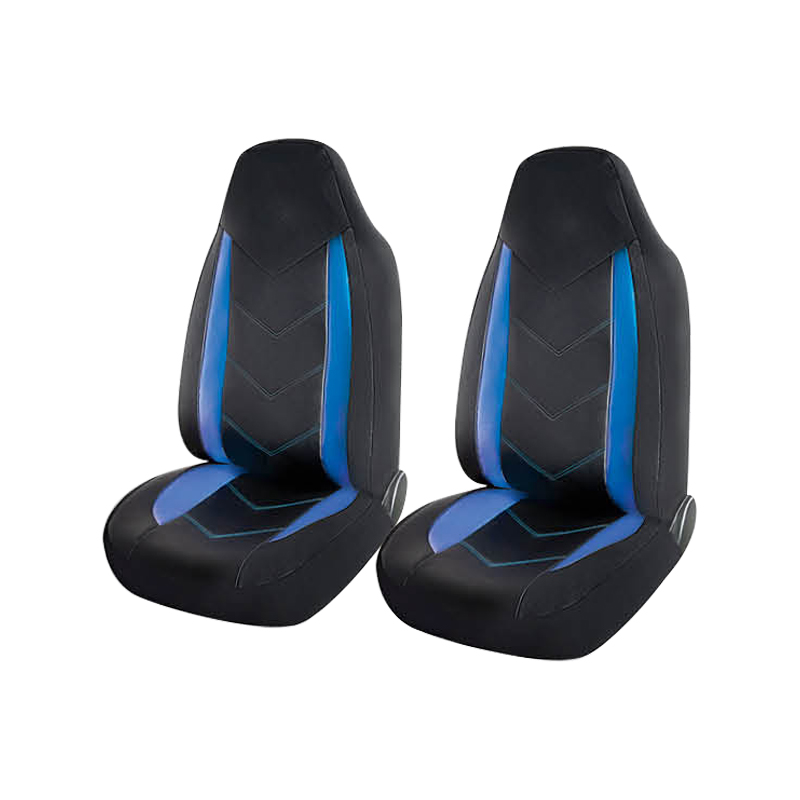
عربىSpending extended hours behind the wheel can affect posture and overall comfort, making the choice of seating accessories a practical concern. Products from a Car Seat Cover Manufacturer and a Seat Cushion Manufacturer offer options to adjust seating support and protect vehicle interiors. Well-selected seat covers and cushions contribute to a more stable and comfortable driving experience, while also helping maintain the condition of original upholstery. Different materials, designs, and support structures cater to varying driving routines, vehicle types, and climate conditions, providing practical benefits rather than decorative effects alone.
Material Selection and Practicality
Choosing the right material is essential for both comfort and ease of maintenance. Seat covers and cushions are made from a variety of materials, including fabric, leatherette, genuine leather, and mesh. Each option presents different handling and durability characteristics:
- Fabric (polyester, nylon): Lightweight, washable, and resistant to minor spills.
- Leatherette: Smooth appearance and easy to wipe, though sensitive to heat.
- Genuine leather: Offers natural texture, requires periodic cleaning to maintain surface quality.
- Mesh fabrics: Allow airflow, suitable for warmer climates and longer drives.
Installation and Stability
Ease of installation and secure positioning are critical for daily use. Many seat covers come with adjustable straps, hooks, and elastic edges to fit snugly over standard seats, while cushions often include non-slip bases. Proper installation prevents shifting during driving, which maintains comfort and reduces the need for constant adjustment. Drivers should also check whether covers interfere with seat controls or airbags before final placement.
Key installation considerations:
- Ensure straps are properly fastened and tucked to avoid dangling.
- Align cushion contours with the seat shape to avoid uneven pressure.
- Verify compatibility with vehicle seat features such as headrests and side airbags.
Design and Ergonomic Support
While cushions are not medical devices, many designs provide gentle support to encourage a more balanced posture. Contoured shapes and layered padding help distribute weight and reduce discomfort over extended periods. Some cushions include lumbar support areas to guide the lower back into a neutral position, while others feature raised edges to stabilize seating. These design elements help users maintain comfort during commutes or longer journeys without needing frequent seat adjustments.
Compatibility With Vehicle Interiors
Seat covers and cushions also provide functional customization for interior spaces. Selecting a color, pattern, or texture that aligns with dashboards and trim panels can enhance the visual balance of the cabin. Beyond aesthetics, matching materials and cushion shapes with seat contours supports stability and reduces wear over time.
Factors for Long-Term Use
Durable construction and precise fit are important practical considerations. Inspect stitching quality, material thickness, and fastening systems. Reinforced edges and secure attachment mechanisms help prevent shifting and material fraying during daily use. Choosing products that accommodate seat dimensions accurately ensures stable placement and consistent support over extended periods.
FAQ - Common Questions
Q1: Can I install a seat cover or cushion myself?
Yes. Many products are designed for self-installation with straps, hooks, or elastic bands. Minor adjustments may be needed to fit seats snugly.
Q2: How do I keep cushions from sliding?
Non-slip bases, anti-skid materials, and proper alignment on a clean seat surface help reduce movement.
Q3: Which materials are suitable for hot weather?
Mesh fabrics and lighter-colored materials help reduce heat accumulation. Leatherette and leather surfaces may feel warmer during sunny conditions
Q4: How often should covers and cushions be cleaned?
Weekly wiping and monthly washing or vacuuming are sufficient for daily use. Heavier soiling may require more frequent attention.
Q5: Do cushions provide posture support?
Cushions with contouring and layered padding can assist in distributing body weight more evenly and support a neutral sitting position during driving.
Q6: Are seat covers compatible with airbags?
Products designed with airbag compatibility typically indicate this on the packaging. It is important to verify this to maintain safety features.
 +86 576-83710338
 +86 576-83711188
 No.1 Market Road,Tantou Industrial Zone,Tiantai County, Taizhou City, Zhejiang, China
