


 English
 中文简体
中文简体 русский
 Español
 Deutsch
 عربى
عربىDrivers and passengers spend significant hours in their vehicles, making comfort and durability key considerations when selecting interior accessories. A well-designed solution from a Car Seat Cover Manufacturer or a Seat Cushion Manufacturer can improve seating experience while also protecting your car's interior from daily wear and tear. With a variety of materials, designs, and installation options, these products cater to different vehicle types and user needs, offering both practical support and aesthetic improvements.
Understanding Material Options
Selecting the right material is crucial for both comfort and maintenance. Seat covers and cushions are available in fabrics like polyester, leatherette, genuine leather, and mesh. Each material has specific characteristics:
- Polyester and nylon fabrics are lightweight, easy to clean, and resistant to minor spills and stains.
- Leatherette provides a smooth surface and a cleaner appearance, though it may require occasional conditioning.
- Genuine leather offers a natural texture, though it demands careful cleaning to maintain its surface.
- Mesh fabrics allow better airflow, reducing discomfort during long drives in warmer climates.
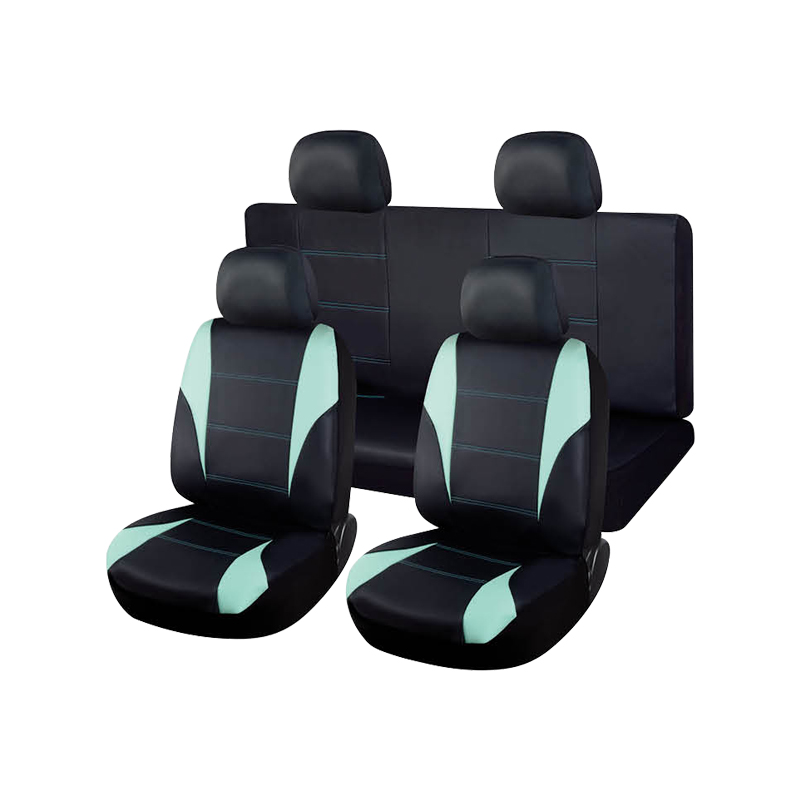
Installation Considerations
Ease of installation is an important factor when selecting a seat cover or cushion. Many products are designed for simple fitting over existing seats without requiring professional tools. Adjustable straps, hooks, and elastic edges help keep covers in place and prevent shifting while driving. Cushions may include non-slip bases to stay stable on seat surfaces. When choosing a product, review whether installation suits your vehicle type and if it allows easy removal for cleaning.
Ergonomic Support Features
Seat cushions can enhance sitting posture and distribute body weight more evenly. While not intended to treat medical conditions, certain designs provide gentle support to reduce fatigue during extended trips. Features may include:
- Contoured shapes for lumbar alignment
- Layered padding for distributed pressure
- Non-slip surfaces for secure positioning
Selecting cushions with these features can improve general comfort for daily commutes or long-distance travel.
Cleaning and Maintenance
Routine cleaning ensures that both seat covers and cushions remain functional and hygienic. Many fabric covers can be machine washed or wiped with mild detergent, while leather or leatherette options typically require damp cloth cleaning. Some cushions include removable covers for easier washing. Consistent care prevents accumulation of dust, dirt, and moisture, prolonging the usable life of these accessories.
Matching Vehicle Interiors
Seat covers and cushions can also serve aesthetic purposes, allowing users to harmonize vehicle interiors with personal preferences. A wide range of colors, patterns, and textures is available to complement dashboards, trim panels, or existing upholstery. When choosing a cover or cushion, consider the visual balance of the interior and how materials interact with ambient lighting and vehicle design.
Selecting Products for Long-Term Use
Durability and fit are practical points to examine when selecting seat covers or cushions. Check material thickness, stitching quality, and compatibility with seat dimensions. Products designed with reinforced edges and secure fastening systems are less likely to shift or degrade under daily use. While aesthetics may be important, prioritizing functional performance ensures that the product remains serviceable over time.
FAQ - Practical Considerations
Q1: Can I install seat covers myself without tools?
Many covers are designed for DIY installation using straps, hooks, or elastic bands. Some models may need minor adjustments to fit snugly, but professional tools are generally not required.
Q2: How do I prevent cushions from sliding on seats?
Look for cushions with non-slip bases or anti-skid material. Positioning the cushion correctly and ensuring the seat is clean can reduce movement.
Q3: Are certain materials better for hot climates?
Mesh fabrics allow airflow, helping reduce heat build-up. Leatherette or leather can retain warmth, while fabric options like polyester or nylon may offer moderate breathability.
Q4: How often should I clean seat covers and cushions?
Frequency depends on usage. For daily drivers, wiping down covers weekly and washing or vacuuming cushions monthly can help maintain cleanliness and appearance.
Q5: Can cushions improve posture for long drives?
Cushions designed with contours and layered padding may help distribute pressure and provide gentle support, reducing general fatigue during extended trips.
Q6: Do seat covers interfere with airbags?
Ensure any cover is compatible with side and seat-mounted airbags. Manufacturers usually provide specifications to confirm safety compliance.
 +86 576-83710338
 +86 576-83711188
 No.1 Market Road,Tantou Industrial Zone,Tiantai County, Taizhou City, Zhejiang, China
