


 English
 中文简体
中文简体 русский
 Español
 Deutsch
 عربى
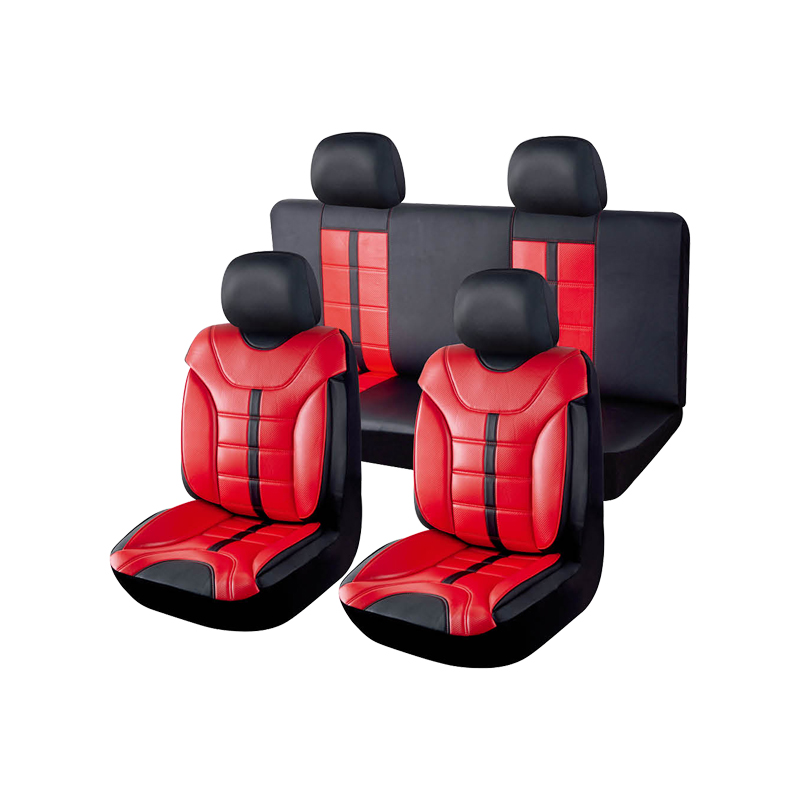
عربىEnvironmental regulations and brand sustainability commitments are reshaping how a modern Car Seat Cover is designed, manufactured, and recycled. At the same time, a professional Car Seat Cover Factory is adjusting material sourcing, structural design, and production processes to meet circular economy expectations. Instead of focusing only on comfort and visual appeal, manufacturers now consider the entire lifecycle of seat covers—from raw material selection to vehicle disposal and material recovery. This shift is not driven solely by compliance requirements; it also reflects growing consumer awareness of environmental impact and the need for automotive interiors that align with broader sustainability goals.
What Is Driving the Transition Toward Circular Seat Cover Materials?
Several forces are influencing the transition from conventional seat cover materials to circular alternatives. Government environmental policies are placing stricter requirements on automotive component recyclability, emissions, and material traceability. These policies encourage manufacturers to reduce dependence on virgin petroleum-based materials and increase the use of recycled or renewable alternatives. At the same time, automotive brands are incorporating sustainability targets into their supply chains, requiring component suppliers to demonstrate measurable reductions in environmental impact. These expectations influence material procurement, production waste handling, and product design decisions.
Consumer expectations are also changing. Many vehicle buyers now evaluate interior materials not only for durability and comfort but also for environmental responsibility. Automotive manufacturers are responding by requesting materials that support sustainability reporting and certification. As a result, seat cover producers are working closely with textile suppliers, foam producers, and leather processors to identify materials that meet both performance and environmental criteria without compromising safety or usability.
How Does Recycled PET Yarn Influence Seat Cover Performance?
Recycled PET yarn, derived from post-consumer plastic bottles and industrial plastic waste, has become one of the commonly adopted materials in automotive seat textiles. The recycling process involves collecting plastic waste, cleaning and shredding it, melting it into pellets, and then spinning it into yarn. This yarn can be woven or knitted into fabrics suitable for vehicle seating applications.
From a practical standpoint, recycled PET fabric offers several functional characteristics. It maintains structural stability under repeated use, supports various weaving patterns, and allows manufacturers to control texture and thickness based on vehicle requirements. These fabrics can also be dyed using established textile methods, enabling compatibility with automotive interior color schemes. Additionally, recycled PET yarn contributes to reducing the demand for virgin polyester, which lowers the overall environmental footprint associated with raw material production.
Another advantage lies in supply consistency. Because PET plastics are widely used in packaging, the availability of recyclable feedstock remains relatively stable. This supports scalable production for automotive manufacturers that require uniform material quality across large vehicle production volumes.
Why Are Bio-Based Foams Being Introduced Into Seat Covers?
Foam layers beneath seat cover surfaces play an important role in providing cushioning and structural support. Traditionally, these foams are derived from petroleum-based polyurethane. However, bio-based foams incorporate renewable raw materials such as plant-derived polyols from soy, castor oil, or other agricultural sources.
These materials help reduce dependence on fossil resources while maintaining functional performance characteristics. Bio-based foam can be engineered to achieve specific density levels, flexibility, and compression resistance required for automotive seating. It can also be integrated into existing manufacturing processes without requiring major equipment modifications.
From a lifecycle perspective, incorporating renewable raw materials contributes to lowering the carbon footprint associated with seat cover production. While bio-based foam does not completely eliminate synthetic components, its partial substitution supports incremental improvements in environmental performance. Automotive manufacturers often use these materials as part of broader sustainability initiatives that include recycled fabrics and simplified product structures.
What Role Does Chrome-Free Leather Play in Sustainable Interiors?
Leather remains an important material in vehicle interiors due to its durability and appearance. However, traditional chrome tanning methods involve chemicals that require careful waste management. Chrome-free leather processing uses alternative tanning agents, such as vegetable-based or synthetic compounds, to reduce the environmental impact associated with leather production.
This alternative tanning approach allows leather to maintain its mechanical strength, flexibility, and wear resistance while reducing concerns related to heavy metal waste. Chrome-free leather can also simplify recycling or disposal processes at the end of the vehicle’s service life.


 +86 576-83710338
 +86 576-83711188
 No.1 Market Road,Tantou Industrial Zone,Tiantai County, Taizhou City, Zhejiang, China
