


 English
 中文简体
中文简体 русский
 Español
 Deutsch
 عربى
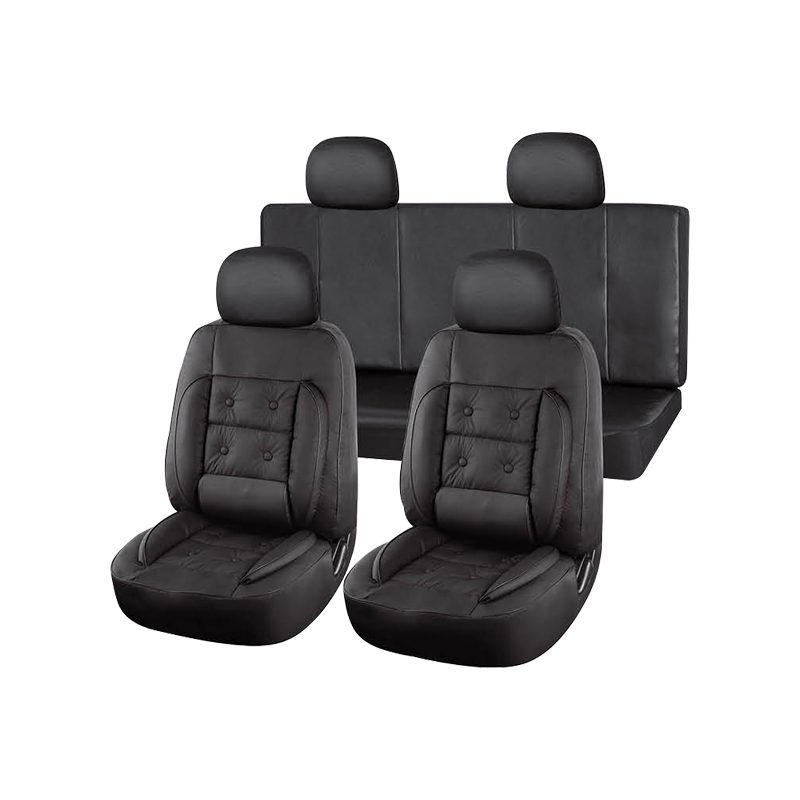
عربىThe expansion of rideshare and vehicle-sharing services has changed how vehicle interiors are used and maintained. A Car Seat Cover now serves as a working component in vehicles that operate continuously throughout the day, often transporting dozens of passengers. Under these conditions, interior materials experience repeated friction, exposure to spills, and frequent cleaning cycles. A professional Car Seat Cover Factory addresses these challenges by developing products intended for high-use environments, where durability, surface stability, and ease of maintenance become essential considerations.
Unlike private vehicles that may carry only a few passengers daily, rideshare vehicles function more like commercial workspaces. This creates a need for seat protection systems that support operational efficiency while helping maintain interior cleanliness and consistent appearance. Understanding how seat covers are designed for these conditions helps fleet managers and individual drivers select solutions aligned with their usage patterns.
What Makes High-Use Vehicles Different From Private Cars?
Vehicles used for rideshare, taxi services, and car-sharing programs experience significantly higher entry and exit frequency compared to privately owned cars. Each passenger introduces movement, pressure, and potential contaminants such as dirt, moisture, or food residue. Over time, this repeated activity affects seat surfaces, particularly in high-contact areas such as seat edges and backrests.
Cleaning requirements are also more frequent. Drivers often wipe or disinfect interior surfaces multiple times per day, especially in response to hygiene expectations from passengers. Materials that cannot tolerate frequent cleaning may show signs of wear, discoloration, or surface deterioration. Seat covers designed for commercial environments must accommodate regular cleaning without losing structural stability or visual consistency.
Operational continuity is another factor. Vehicles used for income-generating services cannot remain out of service for extended maintenance. Interior accessories, including protective covers, must allow quick installation, removal, or replacement to reduce downtime.
How Do Industrial-Oriented Materials Support Long-Term Use?
Material selection plays a direct role in determining how a seat cover responds to repeated friction, cleaning, and environmental exposure. Manufacturers evaluate both surface properties and internal structure to ensure compatibility with commercial use.
Synthetic leather and coated textile materials are commonly selected due to their resistance to liquid penetration. These materials create a surface barrier that helps prevent spills from reaching the underlying seat upholstery. This simplifies cleaning and reduces the likelihood of stains becoming embedded in the original seat material.
Layered composite fabrics may also be used to balance durability and flexibility. The outer layer provides resistance to abrasion, while inner layers support shape retention and structural integrity. Reinforced stitching helps maintain seam strength under repeated stress caused by passengers entering and exiting the vehicle.
Surface texture also affects maintenance. Smooth or lightly textured finishes allow cleaning cloths to move across the surface without excessive friction, making routine wiping more efficient.
Why Is Easy Cleaning Essential in Shared Vehicle Operations?
Shared vehicle environments require regular cleaning to maintain acceptable hygiene conditions for passengers. Seat covers designed for these environments support cleaning efficiency through material and structural design.
Liquid-resistant surfaces help prevent beverages or moisture from soaking into seat layers. When spills occur, the liquid remains on the surface, allowing it to be wiped away more easily. This reduces the need for deep cleaning procedures that would otherwise require longer drying times.
Stain-resistant finishes also play a role. Surface treatments help reduce adhesion between contaminants and the seat cover, allowing dirt or residue to be removed using standard cleaning solutions. This helps maintain a consistent interior appearance even with frequent use.
Compatibility with cleaning agents is another consideration. Materials must tolerate exposure to commonly used disinfectants without cracking, fading, or weakening. This ensures the seat cover remains functional throughout repeated cleaning cycles.
How Do Quick-Change Systems Reduce Vehicle Downtime?
Vehicles operating in rideshare fleets often need to remain available for service throughout the day. Maintenance procedures that require extended time can reduce vehicle availability and affect operational schedules. Seat cover systems designed with quick-change installation methods help address this concern.
Fastening systems such as elastic edge bands, adjustable straps, and hook-based attachments allow drivers or maintenance staff to remove and reinstall covers without specialized tools. This makes it possible to replace damaged or heavily soiled covers within a short timeframe.
Modular designs also support partial replacement. Instead of removing the entire seat cover, individual sections such as seat bottoms or backrest panels may be replaced independently. This reduces material waste and simplifies maintenance logistics.
These installation features are particularly useful in fleet environments, where maintenance teams manage multiple vehicles and require efficient servicing procedures.
 +86 576-83710338
 +86 576-83711188
 No.1 Market Road,Tantou Industrial Zone,Tiantai County, Taizhou City, Zhejiang, China
