


 English
 中文简体
中文简体 русский
 Español
 Deutsch
 عربى
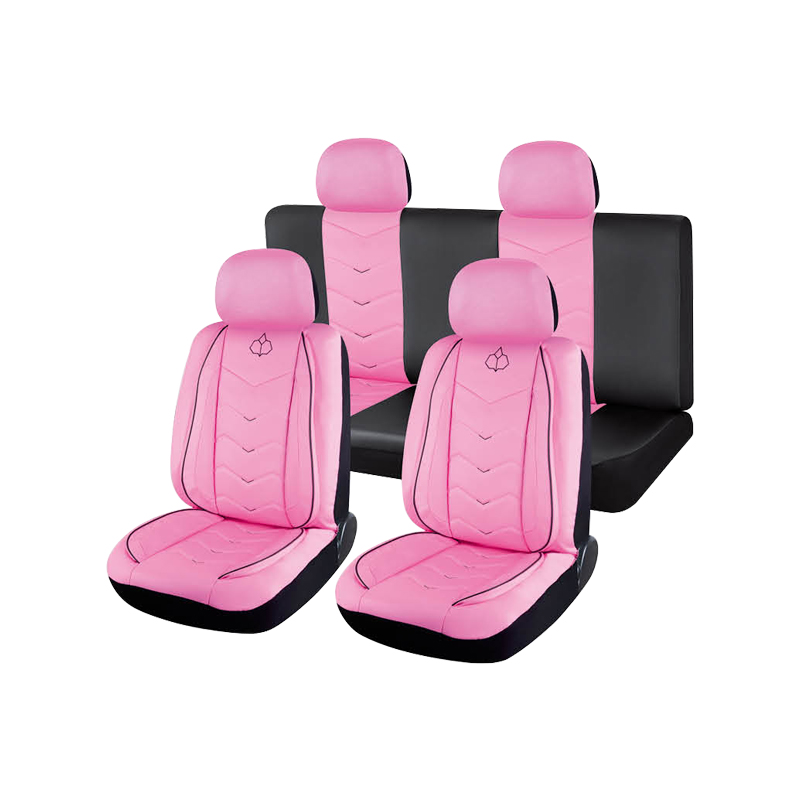
عربىConsumer expectations around vehicle interiors have shifted from simple protection toward personalization and visual identity. A Car Seat Cover is no longer viewed as a generic accessory but as an extension of the driver’s taste, daily habits, and vehicle design. At the same time, a professional Car Seat Cover Factory supports this transition by offering flexible production, material options, and digital customization pathways that align with individual vehicle specifications. Instead of choosing from limited pre-made options, buyers now participate in selecting colors, textures, stitching patterns, and fitment details that reflect their personal preferences and vehicle usage patterns.
This evolution is connected to broader trends in automotive ownership. Drivers are keeping vehicles longer, investing more attention into interior maintenance, and seeking accessories that serve both protective and aesthetic roles. Understanding how customization works—and how factories and digital tools support it—helps buyers make informed decisions that align with both functional and design needs.
Why Are Standard Sizes No Longer Enough for Modern Vehicles?
Vehicle interiors vary significantly across manufacturers, model years, and trim levels. Even within the same model line, seat dimensions, headrest shapes, airbag placements, and adjustment mechanisms can differ. Standardized covers may fit loosely, create folds, or interfere with seat functions such as side airbags or lumbar adjustment systems.
Custom-fit solutions address this issue by matching precise seat geometry. Instead of relying on approximate measurements, manufacturers develop templates based on exact seat dimensions, ensuring compatibility with:
- Seat-mounted airbags
- Split rear seat folding systems
- Armrest openings
- Headrest integration
- Adjustment controls
This attention to structural detail helps preserve original seat functionality while adding protection and personalization.
How Do Digital Customization Tools Change the Buying Process?
Digital platforms have reshaped how buyers select interior accessories. Instead of relying solely on catalog photos, many suppliers now offer interactive customization interfaces that allow users to preview combinations of materials, colors, and stitching patterns directly on virtual vehicle models.
Some platforms incorporate augmented reality (AR) tools, allowing users to visualize how selected designs may appear inside their own vehicle through smartphone cameras. This reduces uncertainty and helps buyers evaluate compatibility with dashboard colors, trim finishes, and overall interior themes.
These tools also improve communication between customers and manufacturing teams. When design selections are submitted digitally, production teams receive precise specifications regarding:
- Material type and color combinations
- Stitching style and thread color
- Panel layout and decorative elements
- Vehicle make, model, and production year
This reduces the need for manual clarification and helps ensure the final product reflects the buyer’s intended design.
What Customization Options Does a Car Seat Cover Factory Provide?
A production facility specializing in automotive interior accessories offers various customization options that extend beyond color selection. These adjustments address both aesthetic and practical needs.
Common customization areas include:
- Material selection: Synthetic leather, woven fabric, neoprene, or mixed-material constructions depending on durability, comfort, and climate conditions
- Color configuration: Single-tone, dual-tone, or contrasting panel designs to match or complement interior trims
- Stitching patterns: Straight seams, quilted patterns, or geometric stitching that influence texture and visual depth
- Fitment tailoring: Templates aligned with specific seat dimensions, ensuring compatibility with seat adjustments and safety features
- Functional openings: Integrated access points for armrests, seat controls, and folding mechanisms
- Surface texture choices: Smooth, perforated, or textured surfaces that influence airflow and tactile feel
Each of these elements contributes to how the cover performs in daily use, how it integrates with the vehicle interior, and how easily it can be installed or removed.
How Are Materials Selected Based on Driving Habits and Climate?
Material selection plays a central role in determining how a seat cover performs under different conditions. Drivers in warm regions may prefer breathable materials that allow airflow, while those in colder climates may prioritize thicker surfaces that provide insulation from cold seat frames.
Synthetic leather is often selected for its resistance to spills and ease of cleaning, making it suitable for families, rideshare drivers, or frequent commuters. Fabric-based materials offer a softer texture and reduced heat buildup, which can improve comfort during extended drives.
Neoprene and layered composite materials are sometimes used in environments where exposure to moisture is common, such as coastal areas or outdoor recreational use. These materials help reduce moisture absorption and support easier maintenance.
Material choice also affects long-term wear patterns. High-contact areas such as seat edges and backrest centers benefit from reinforced stitching and durable surface layers, which help maintain shape and appearance during repeated entry and exit.
 +86 576-83710338
 +86 576-83711188
 No.1 Market Road,Tantou Industrial Zone,Tiantai County, Taizhou City, Zhejiang, China
