


 English
 中文简体
中文简体 русский
 Español
 Deutsch
 عربى
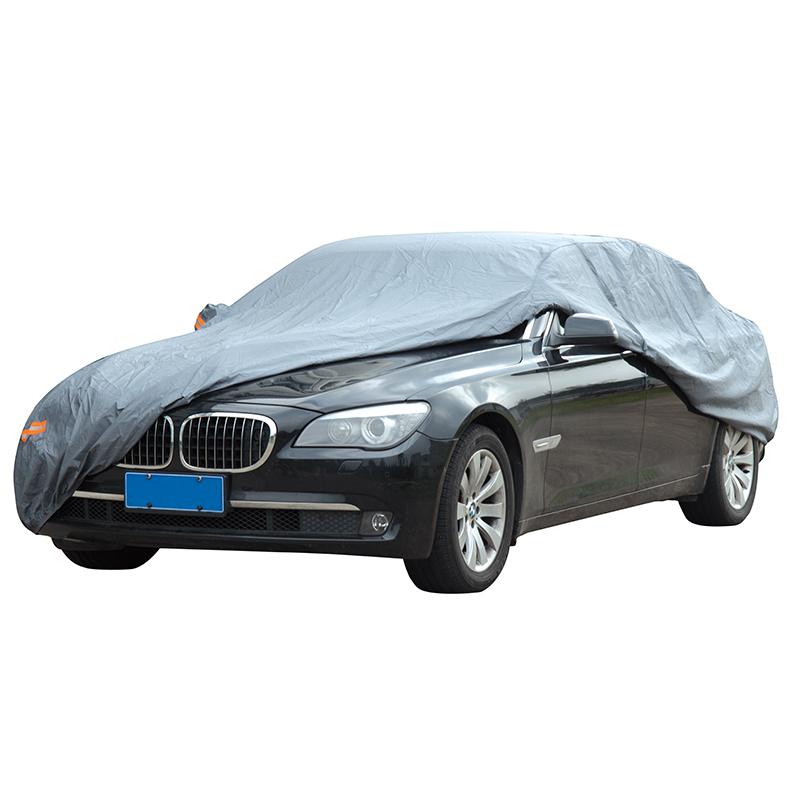
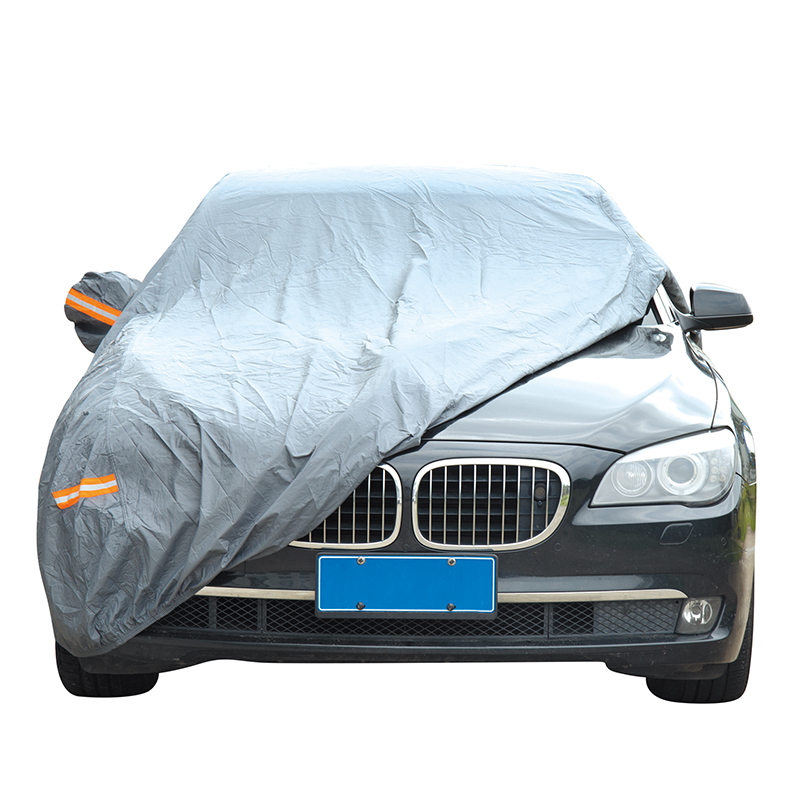
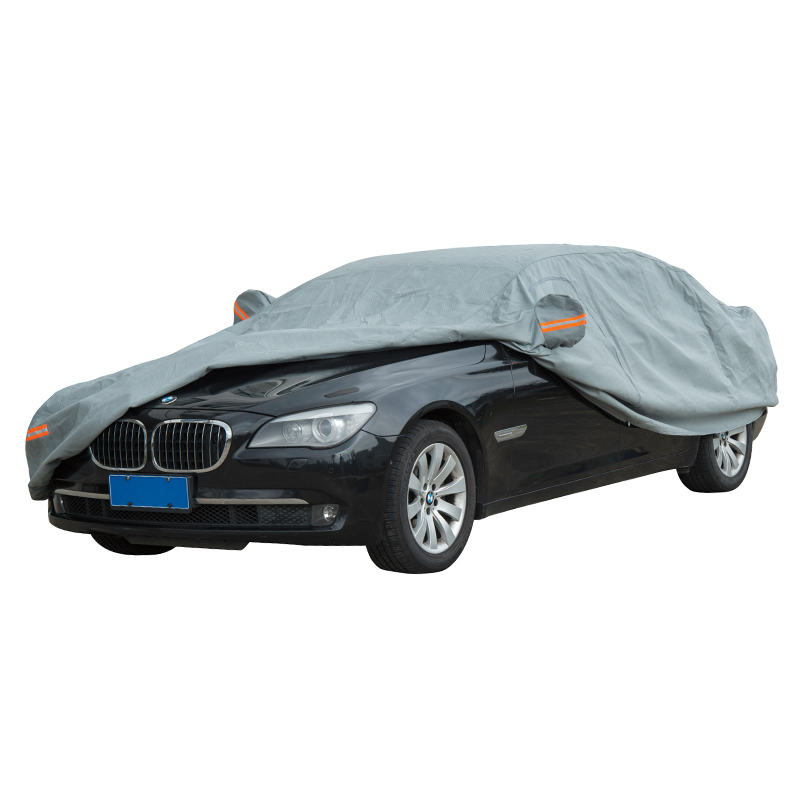
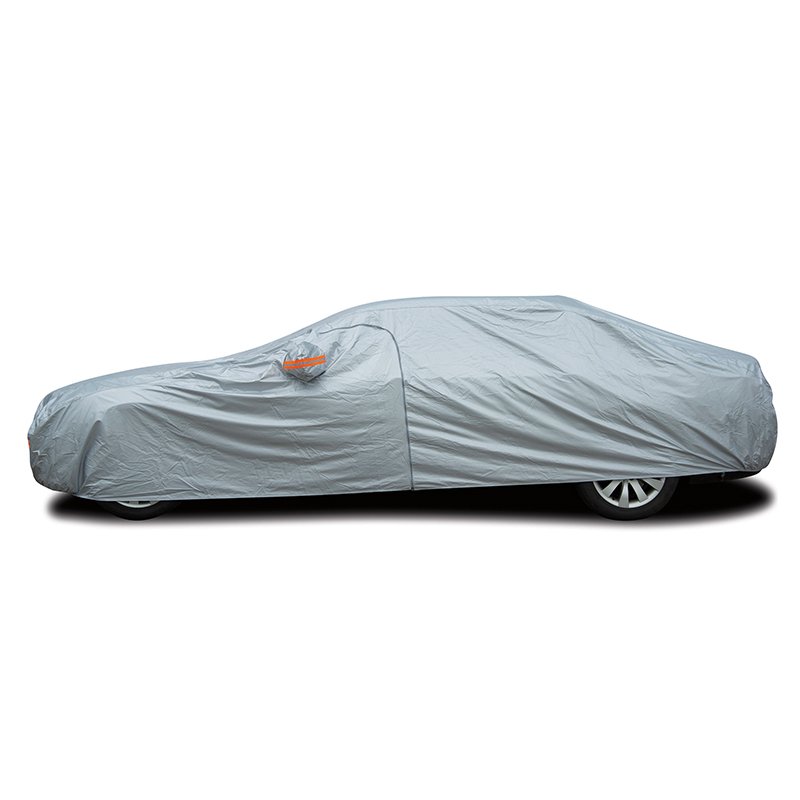
عربىThe changing seasons bring a rotating set of challenges for your vehicle, from the intense summer sun to winter's freezing precipitation. While many focus on mechanical upkeep, the exterior and interior preservation of the car is equally important for its long-term condition and value. This is where the specialized role of a car cover manufacturer becomes relevant. By producing protective barriers designed for specific environmental conditions, these manufacturers address seasonal threats in a direct manner. Similarly, the work of a seat cushion factory, which focuses on interior comfort, complements this by addressing the needs of the driver within the sheltered space. Together, they represent two facets of comprehensive vehicle care.
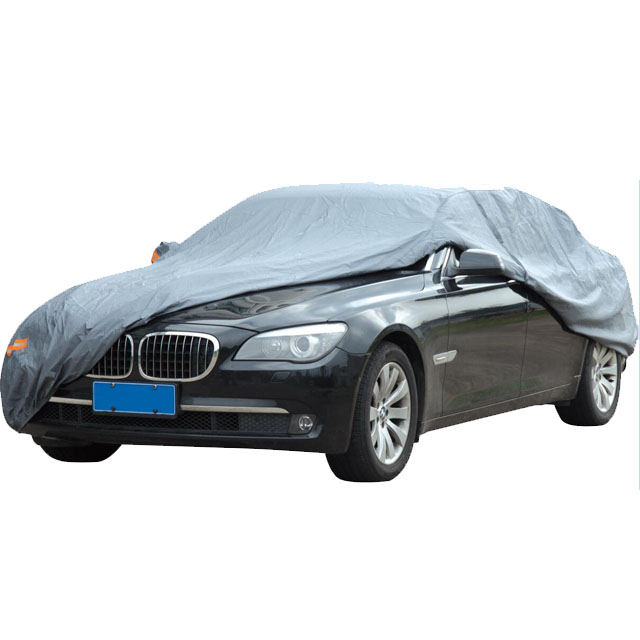
Addressing Summer's Intensity: Heat and UV Radiation
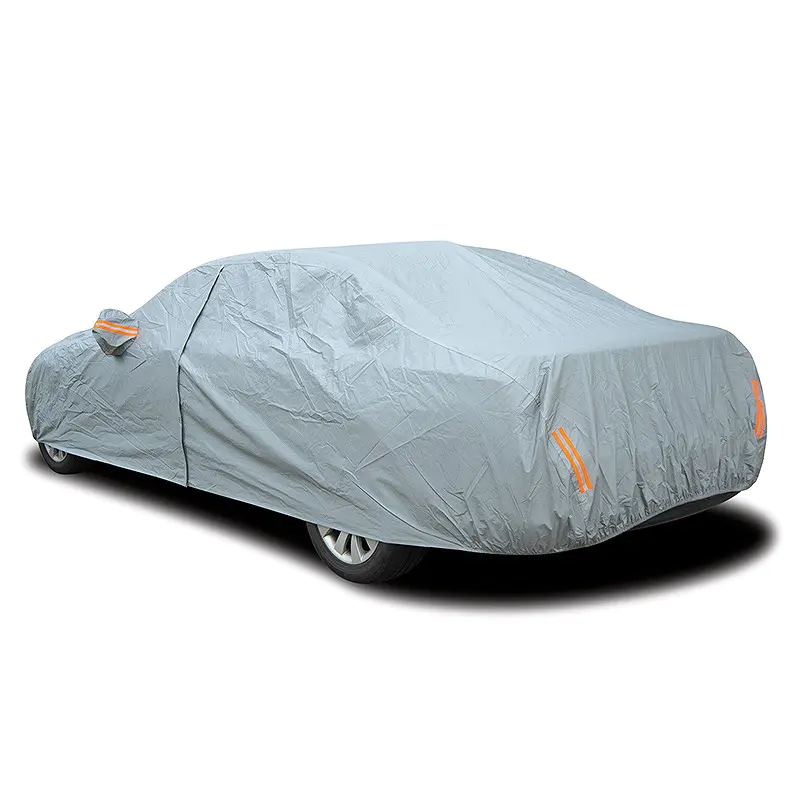
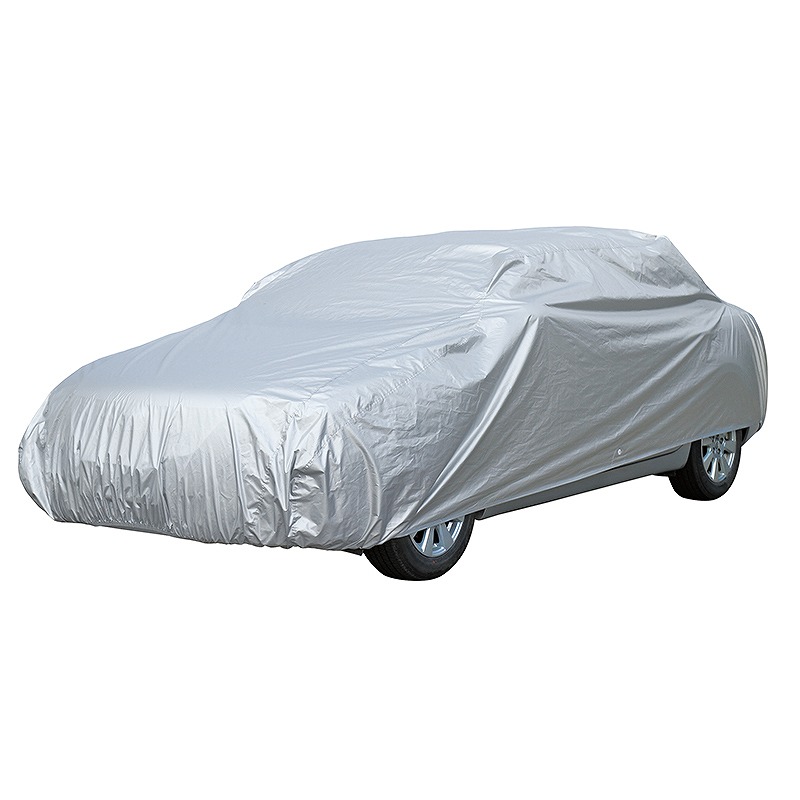
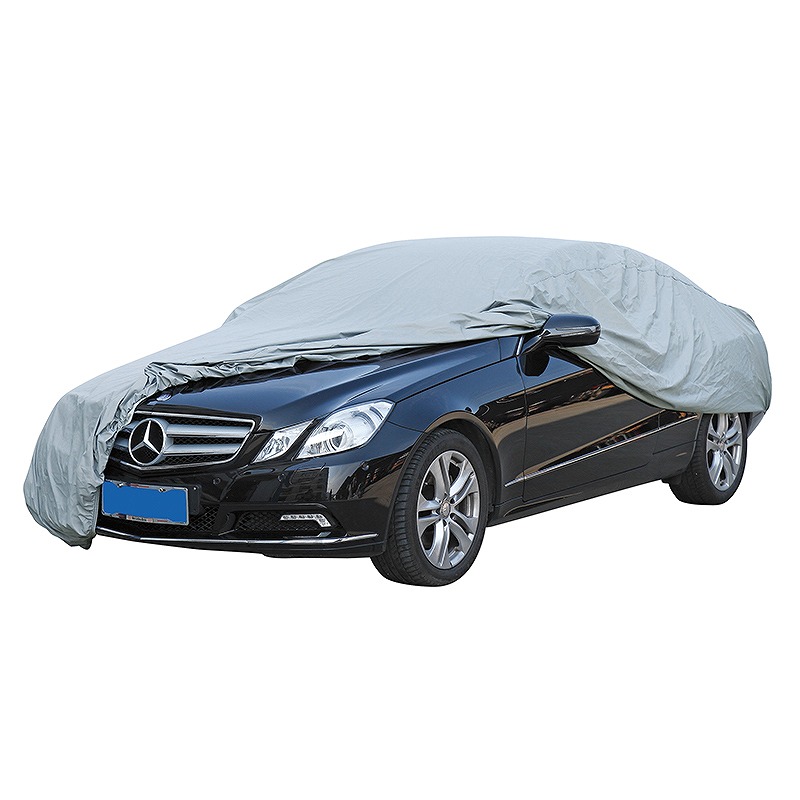
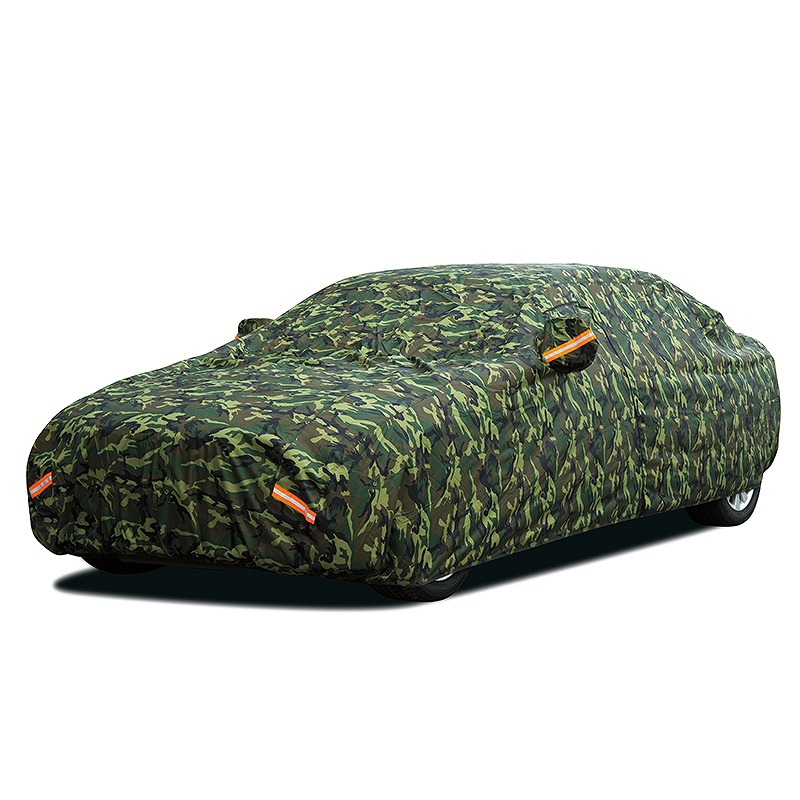
The summer months present a persistent challenge in the form of solar radiation. Prolonged exposure to ultraviolet (UV) rays is a primary cause of exterior paint oxidation, fading, and cracking. For interior components such as dashboards, upholstery, and steering wheels, this exposure can cause material degradation, color loss, and an increased cabin temperature that strains cooling systems. A car cover manufacturer approaches this problem with materials engineered to reflect sunlight and block a substantial degree of UV rays. These covers act as a physical shield, creating a shaded microenvironment around the vehicle. By significantly reducing the direct impact of solar energy, a suitable cover can help maintain the exterior paint's finish and slow the drying and cracking process of interior plastics and fabrics.
Navigating Winter's Challenges: Moisture, Ice, and Contaminants
Winter introduces a different array of concerns, primarily centered on moisture and corrosive agents. Snow, ice, and freezing rain can settle on a vehicle's surface, while road crews often apply de-icing salts and chemicals that create a corrosive film. Allowing these elements to remain on the paint and undercarriage can promote rust and damage clear coats. A car cover manufacturer develops products for this season with water-resistant and durable fabrics that shed snow and block light moisture. A well-fitted cover prevents ice from bonding directly to windows and paint, making morning preparation simpler and reducing the need for harsh scraping. Importantly, it also creates a barrier against airborne contaminants and acidic deposits that can etch the finish. For vehicles stored outdoors, this layer of protection is a practical tool for managing the harsh conditions of the colder months.
Guarding Against Spring and Fall: Pollutants and Organic Matter
The transitional seasons, while often milder, bring their own set of abrasive and staining agents. Spring pollen is a fine, abrasive particulate that can scratch paint if wiped away dry. In fall, sap from trees, bird droppings, and falling leaves pose significant risks. Tree sap is acidic and can bond to and etch paint rapidly, while bird droppings contain uric acid that damages finishes if not removed quickly. A car cover manufacturer produces barriers that keep these pollutants from ever settling on the vehicle's surface. By simply preventing contact, the cover eliminates the need for frequent, potentially abrasive washings to remove these substances. This not only preserves the vehicle’s appearance but also simplifies routine maintenance during these active seasons.
The Importance of Material and Fit for Effective Protection
The effectiveness of seasonal protection depends greatly on the specifications of the cover itself. A car cover manufacturer selects materials based on their intended use. For multi-season or all-weather protection, fabrics often feature a layered construction: a soft, scratch-resistant inner layer to contact the paint, a breathable middle layer to allow moisture vapor to escape and prevent condensation, and a durable, treated outer layer to repel water and block sunlight. This careful attention to material science and precise patterning is what transforms a simple tarp into a functional, protective accessory.
Complementary Interior Care and Considerations
While a car cover manufacturer focuses on the exterior, the protected interior also benefits, creating a stable environment for other components. For instance, consistent protection from UV and extreme temperature swings helps preserve the condition and support of the vehicle’s original seats. This underscores the parallel value of interior accessories. The expertise of a seat cushion factory lies in enhancing driver comfort through ergonomic design, which becomes more noticeable during long drives in any season. Using a cover to preserve the cabin environment and adding supportive seating products are separate but compatible approaches to caring for the vehicle and its occupants.
Selecting a car cover suited to your local climate is a practical decision in preventative maintenance. It is a tool that manages predictable, seasonal risks to a vehicle's exterior, helping to maintain its appearance and structural integrity over time. By creating a reliable barrier against sun, moisture, and pollutants, the work of a car cover manufacturer provides a straightforward solution to complex environmental challenges. When viewed as part of a broader approach to vehicle care—which can also include attention to interior comfort—it highlights how thoughtful preparation can help any vehicle better withstand the passage of time and seasons.
 +86 576-83710338
 +86 576-83711188
 No.1 Market Road,Tantou Industrial Zone,Tiantai County, Taizhou City, Zhejiang, China
