


 English
 中文简体
中文简体 русский
 Español
 Deutsch
 عربى
عربىWhen considering ways to improve driving comfort, many people look at the accessories available on the retail shelf. However, products that originate from a dedicated seat cushion factory often bring a different dimension to the concept of in-car support. Their approach moves beyond simple cushioning to address the specific physiological and practical demands of driving. Similarly, the work of a car cover manufacturer, while focused on exterior and interior preservation, shares this philosophy of targeted problem-solving. Understanding the distinctive features that define a factory's output can help clarify what sets these products apart from more generic alternatives.
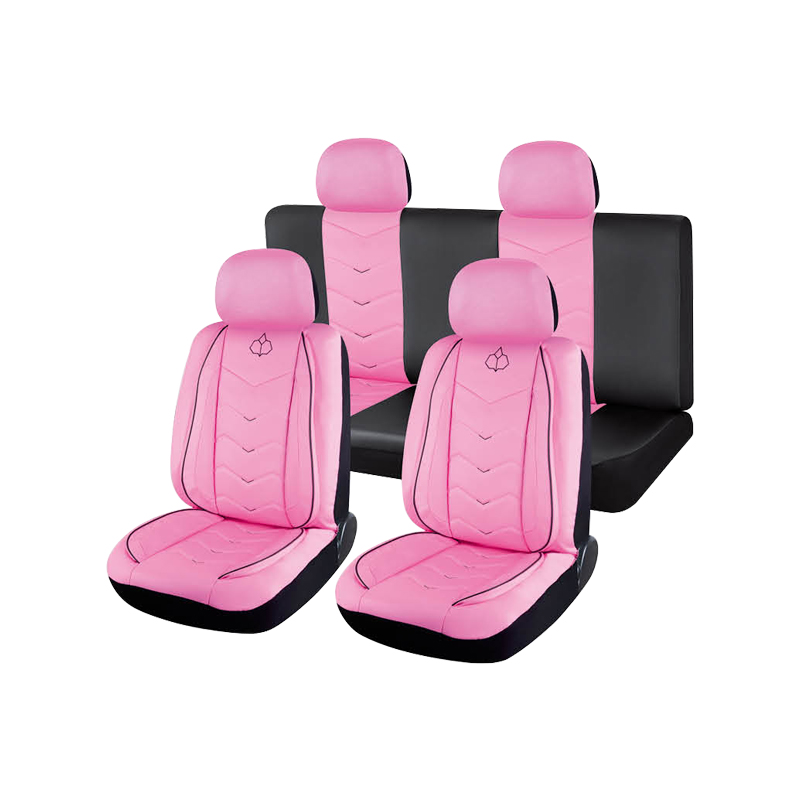
A Focus on Anatomical Design and Pressure Mapping
A fundamental feature that distinguishes a professional seat cushion factory is its foundational research into seated posture during driving. Unlike a one-size-fits-all pad, these factories often utilize principles of ergonomics and pressure mapping to inform their designs. They analyze how body weight distributes across the pelvis and spine when a person is in the driving position, a posture that differs from sitting at a desk or on a sofa. For instance, targeted lumbar curves or subtly contoured seat sections help encourage a neutral spinal alignment. The goal is to reduce concentrated pressure on the tailbone and hips, which can improve circulation and lessen muscle fatigue over long periods. This scientific approach to shape is a key differentiator, aiming to interact with the body's natural structure rather than just provide a soft surface.
Layered Material Construction for Balanced Performance
Another characteristic feature is the intentional, multi-layer construction of materials. A generic cushion might use a single block of foam, but a seat cushion factory often combines different materials to achieve specific performance characteristics. A common construction may include a top comfort layer made from a breathable, moisture-wicking fabric over a contouring memory foam layer, which itself sits atop a firmer, high-density foam base. This stratification serves distinct purposes: the top layer manages temperature and moisture, the middle layer conforms to distribute pressure, and the base layer offers durable support and prevents the cushion from collapsing. Some factories may integrate gel inserts for localized temperature regulation or channeled airflow designs. This composite approach allows the product to address multiple comfort factors—support, temperature, and durability—simultaneously, which is less common in simpler products.
Vehicle-Specific Integration and Secure Fitment
Products from a dedicated factory often demonstrate a higher degree of integration with the vehicle environment. This is seen in features designed for secure fitment and safety compatibility. For example, non-slip rubberized bottoms, adjustable straps that anchor to the seat frame, or custom-molded shapes that match common seat designs help ensure the cushion stays in place while driving. This is a significant functional and safety consideration, as a shifting cushion can be distracting and may interfere with vehicle controls. Furthermore, responsible designs take into account the placement of side airbags, ensuring the cushion does not obstruct their deployment. This focus on seamless and safe integration reflects an understanding that a car accessory must function as part of a larger, dynamic system, not just as an isolated item.
Collaborative Role with Preservation-Focused Products
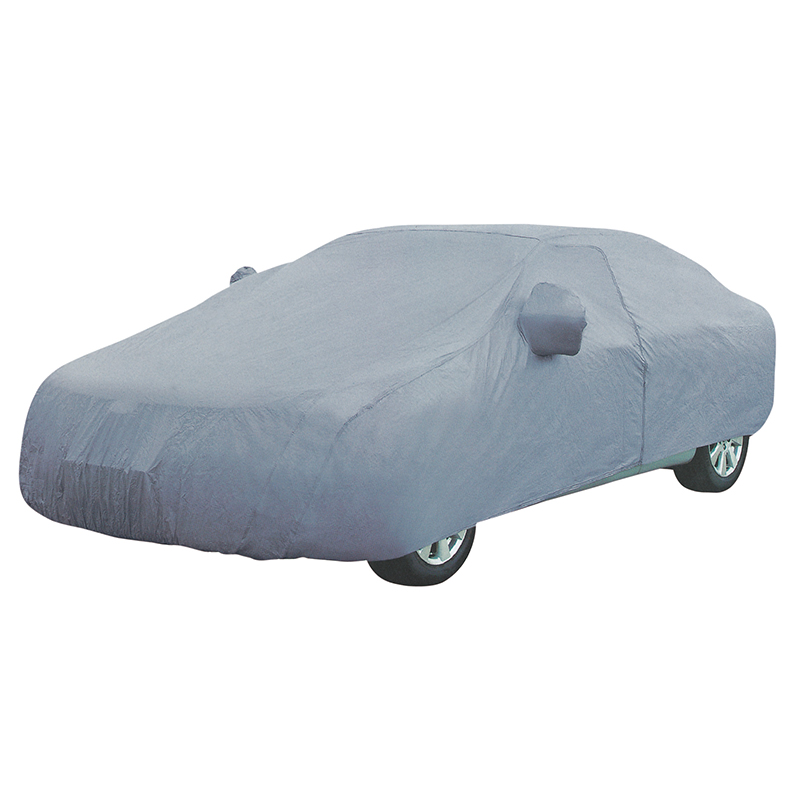
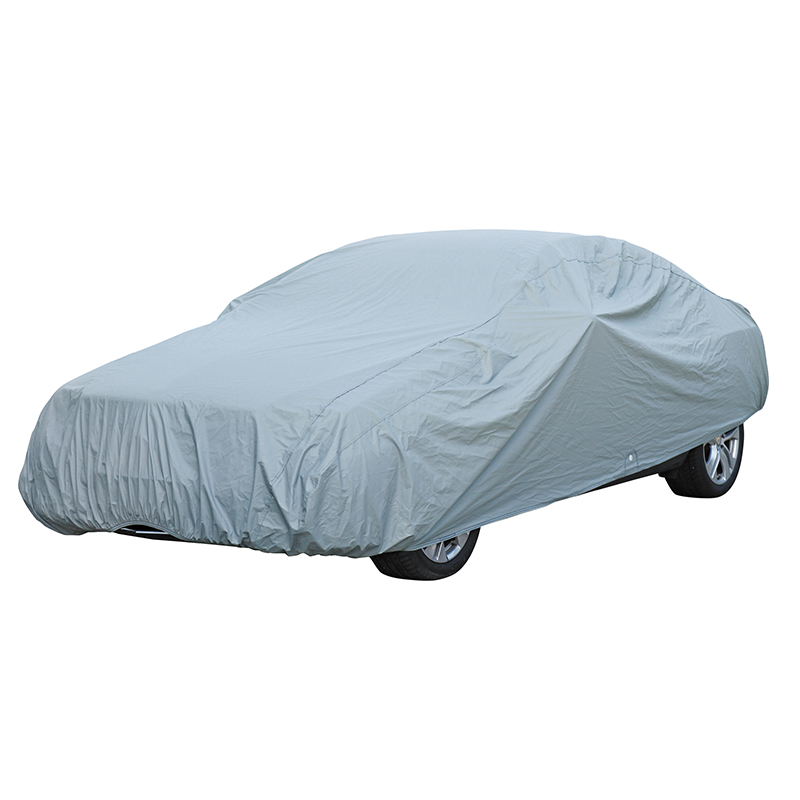
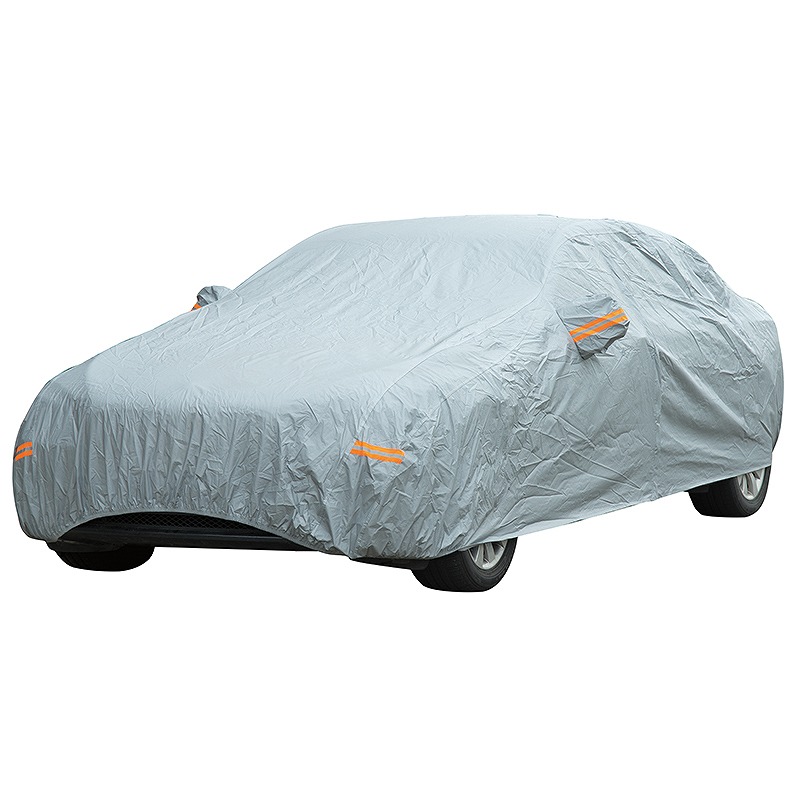
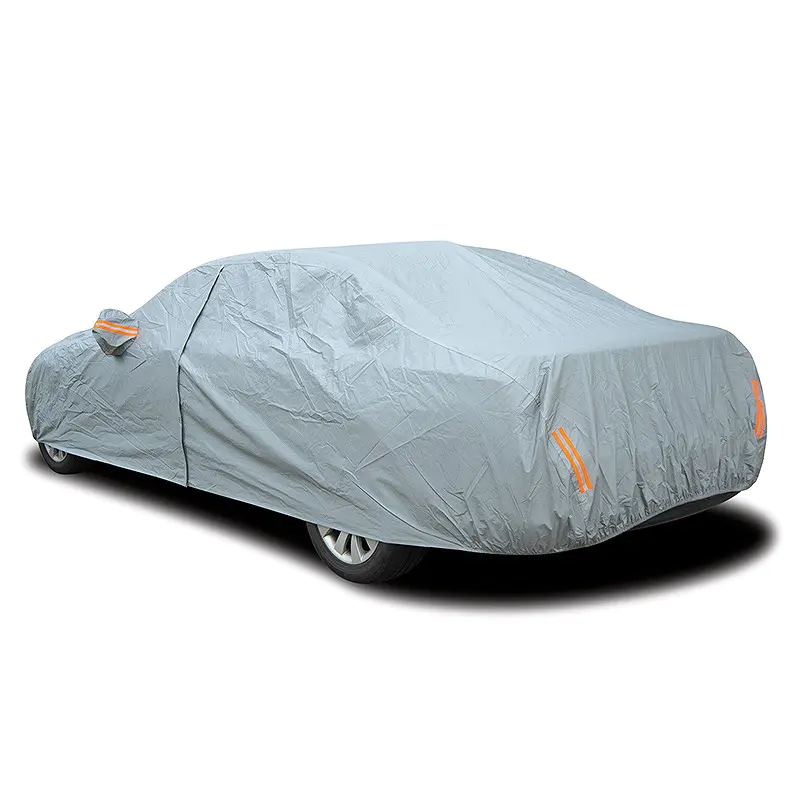
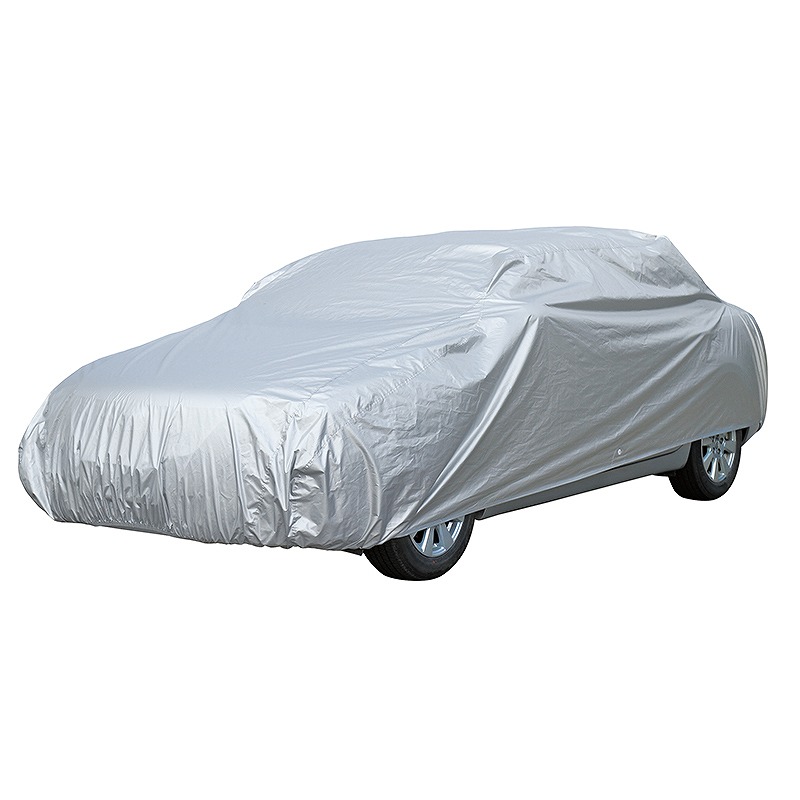
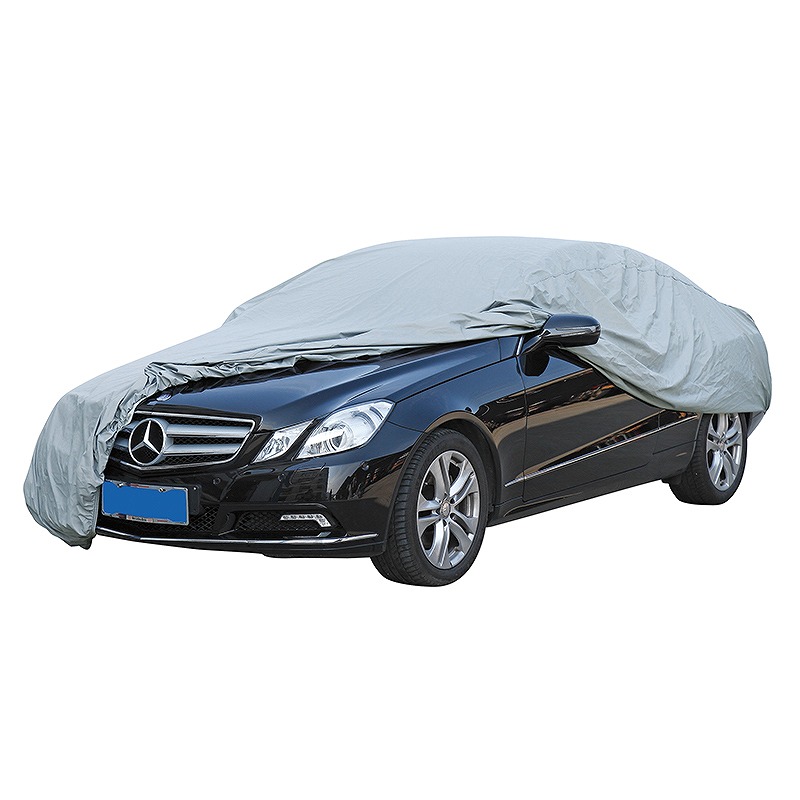
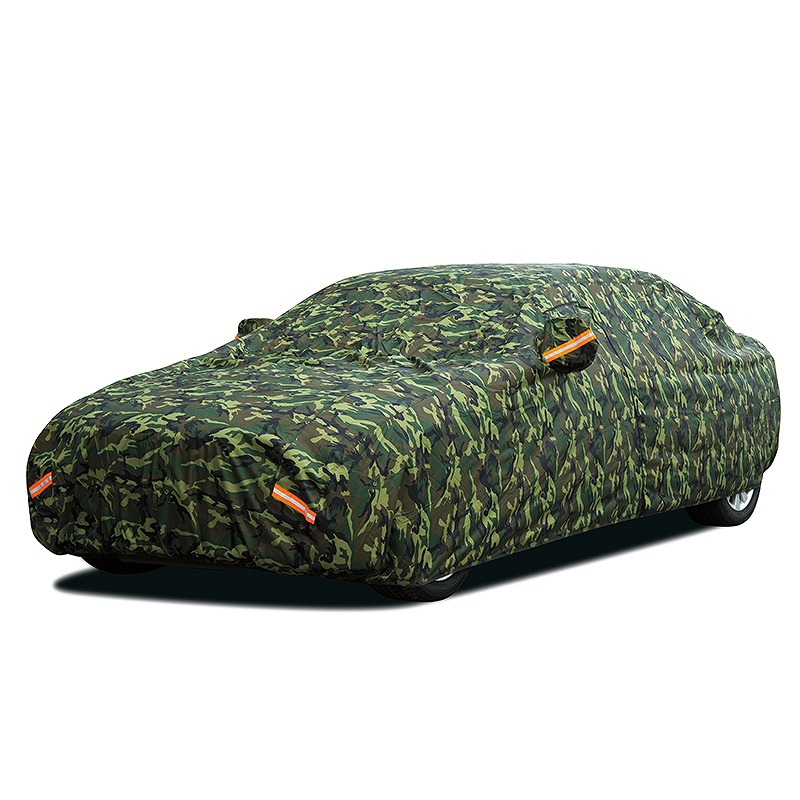
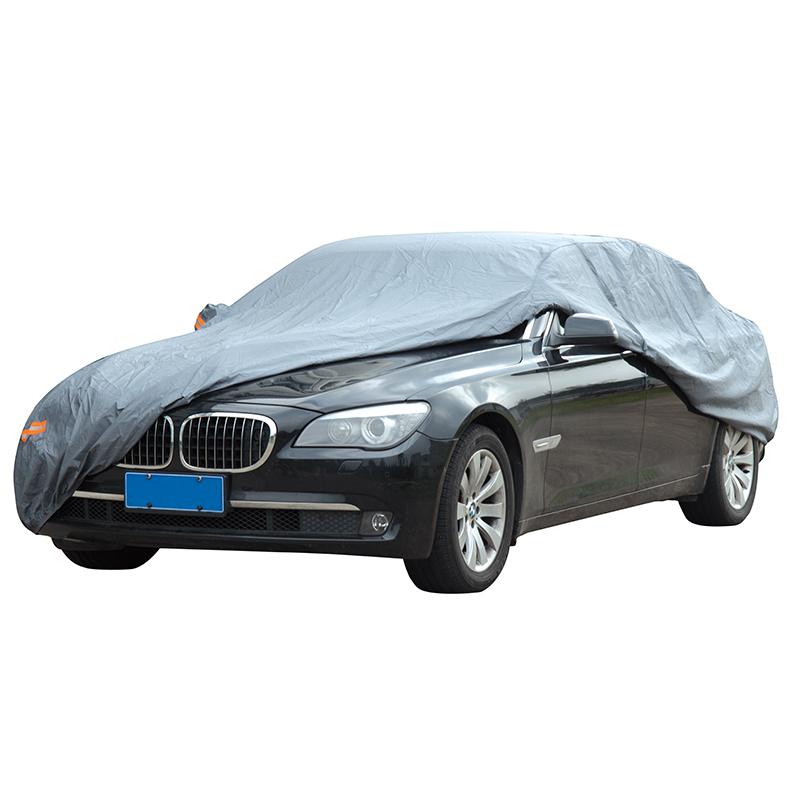
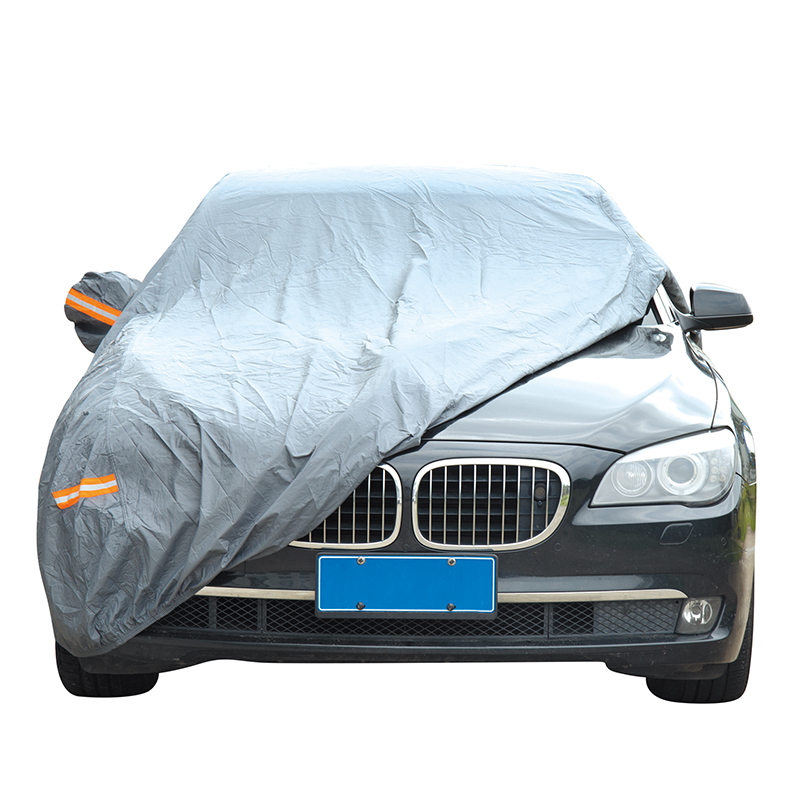
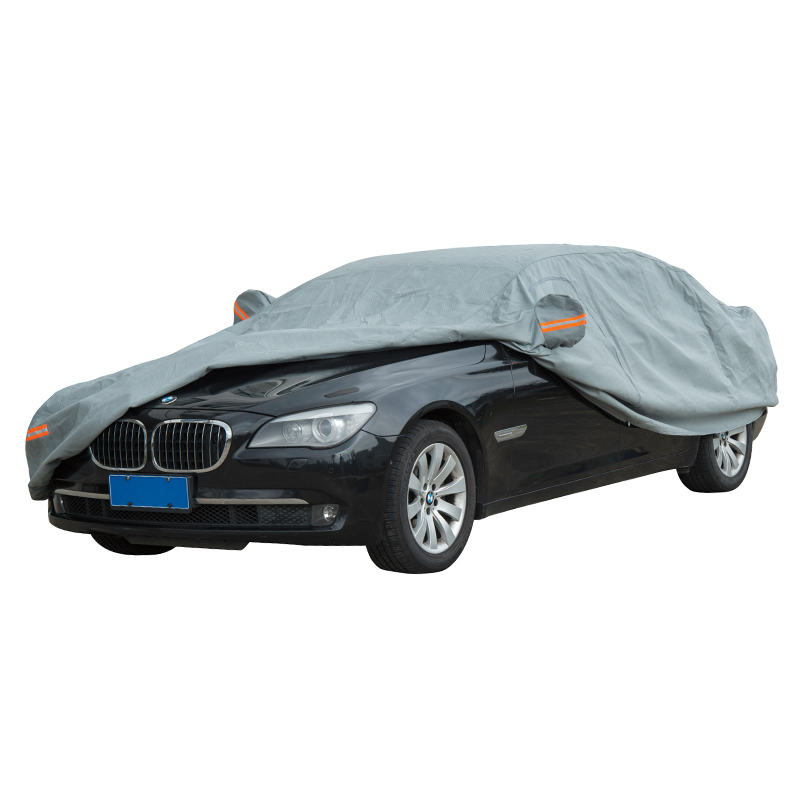
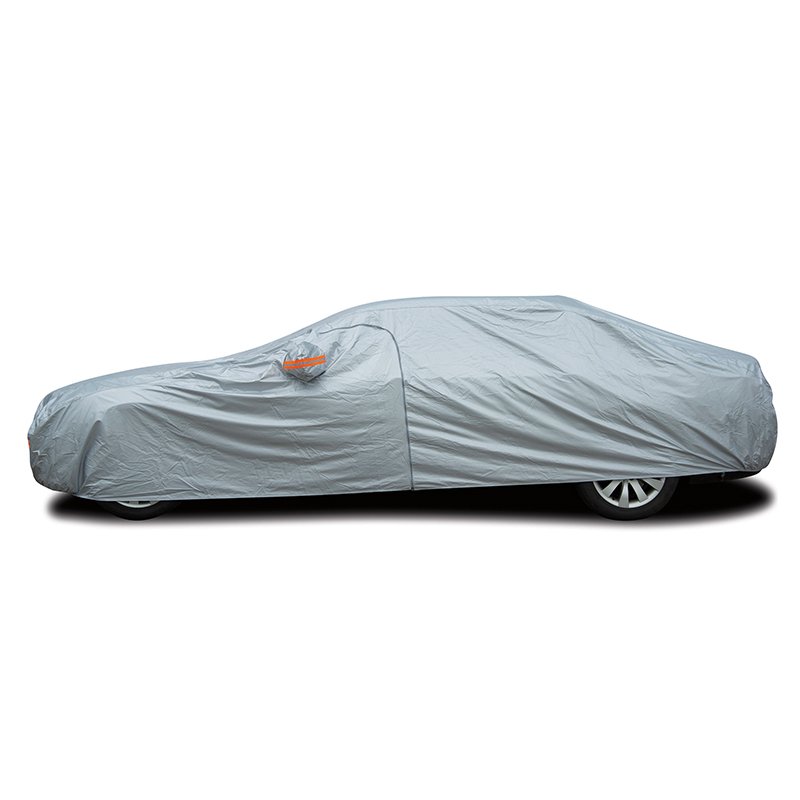
The unique value of a seat cushion factory's products can also be viewed in the context of broader vehicle care. Here, a parallel can be drawn with the focused work of a car cover manufacturer. While the cushion factory addresses the immediate human interface with the vehicle, a car cover manufacturer specializes in preserving the vehicle's condition from environmental factors. For instance, UV-protective car covers help prevent the vehicle's original upholstery from degrading. This preservation effort indirectly supports the long-term effectiveness of any added seating product by maintaining a sound base. The unique feature of the factory's cushion, therefore, is not just its standalone design, but its role within an ecosystem of complementary products—one enhancing immediate comfort, the other protecting the underlying asset. This reflects a comprehensive understanding of driver well-being and vehicle longevity.
Informed Selection Through Transparent Design
The approach of a professional factory often translates into more informative product guidance. By explaining the rationale behind certain shapes, materials, and features, they empower users to make selections based on their specific circumstances. For example, a factory might detail which cushion design is better suited for addressing lower back support versus general pressure relief, or which material combination is more appropriate for warmer climates. This transparency about design intent and function is a distinct feature. It shifts the conversation from a generic promise of “comfort” to a clearer discussion about solving particular discomfort points, allowing users to align their needs with the product's engineered strengths.
The distinctive nature of a seat cushion factory's products lies in this confluence of thoughtful design, structured material science, and practical integration. These features stem from a process that considers the driver's anatomy, the vehicle's interior environment, and the long-term journey. When paired with the protective solutions offered by a car cover manufacturer, it becomes clear how specialized manufacturing focuses on solving specific problems. For the driver, this translates into products that offer a more considered and potentially more effective approach to managing comfort during time spent on the road.
 +86 576-83710338
 +86 576-83711188
 No.1 Market Road,Tantou Industrial Zone,Tiantai County, Taizhou City, Zhejiang, China
