


 English
 中文简体
中文简体 русский
 Español
 Deutsch
 عربى
عربىAutomakers are steadily reducing vehicle weight to improve fuel efficiency and extend electric driving range, and this effort now reaches smaller interior components such as the Car Seat Cover. While each cover contributes only a small portion of overall mass, cumulative weight reduction across seating systems has become part of broader engineering strategies. A Car Seat Cover Factory must now balance material thickness, durability, protection, and weight to align with vehicle manufacturers' lightweight targets. This shift has encouraged material innovation and structural adjustments that help maintain seat protection without introducing unnecessary load.
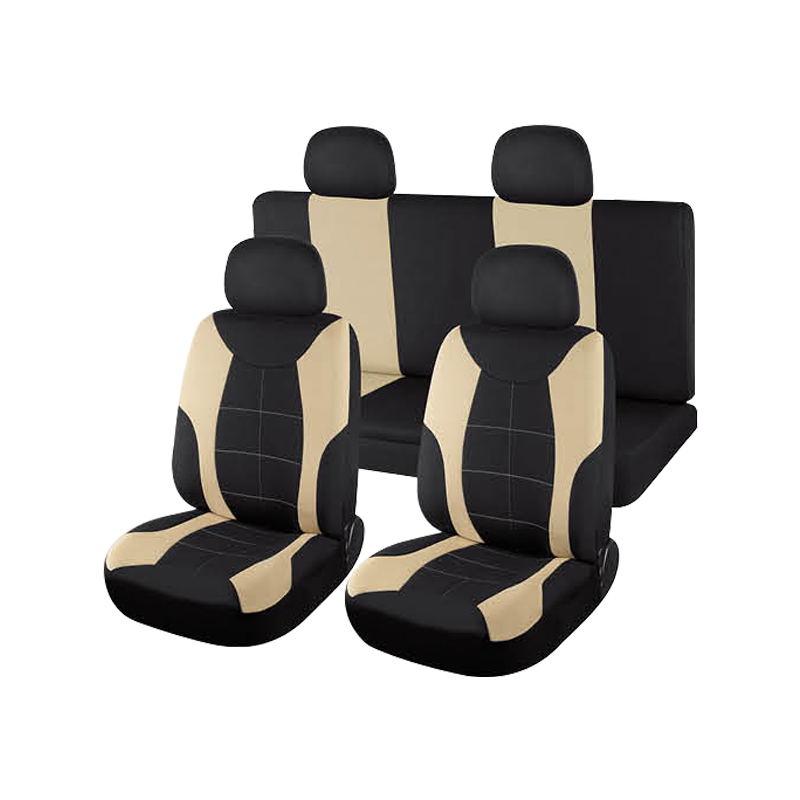
Why Lightweight Seat Components Matter in Vehicle Efficiency Strategies
Vehicle efficiency improvements are influenced by multiple factors, including engine design, battery capacity, aerodynamics, and interior component weight. Even incremental reductions across various components can contribute to measurable gains over time. Seat systems represent a relatively large portion of cabin mass because they include frames, foam cushions, adjustment mechanisms, electronics, and surface coverings.
Seat covers serve as protective layers that preserve the original upholstery from abrasion, contamination, and daily wear. Traditionally, thicker fabrics, leather substitutes, or multilayer padding were used to extend service life and improve comfort. However, these heavier constructions may conflict with lightweight objectives when multiplied across multiple seating positions.
Modern vehicle engineering increasingly evaluates every material layer. Even small reductions in cover thickness or density can contribute to overall efficiency targets when applied across production volumes. This has encouraged manufacturers to reconsider traditional assumptions about thickness and protection, focusing instead on material efficiency and performance balance.
How Advanced Composite Fabrics Help Reduce Unnecessary Weight
Material science developments have enabled thinner seat cover constructions without eliminating essential protective functions. Instead of relying on thickness alone, modern materials use engineered fiber structures, coatings, and composites to provide strength and wear resistance with less mass.
Synthetic fibers such as polyester blends, microfiber fabrics, and coated textiles are commonly used because they provide structural stability while remaining relatively lightweight. These materials can be engineered to resist tearing, stretching, and surface abrasion even when thinner than traditional coverings.
Composite layering techniques also allow manufacturers to combine functional properties. For example, a lightweight base fabric can be paired with a thin protective coating that improves resistance to moisture or friction without adding excessive thickness. These coatings can also support easier cleaning, which is important for long-term maintenance.
This approach shifts performance emphasis away from bulk and toward structural efficiency. Instead of adding weight for durability, manufacturers use fiber orientation, weaving density, and surface treatment to achieve protective characteristics in thinner layers.
Balancing Protection and Weight Without Sacrificing Everyday Usability
Vehicle owners often install seat covers to preserve resale value, reduce cleaning time, or adapt interior aesthetics. Lightweight construction must still support these practical goals. Protection against friction, spills, ultraviolet exposure, and repeated use remains essential.
Durability depends on several interconnected factors, including fiber type, weave pattern, coating technology, and installation fit. A thinner material can still perform effectively if these elements are properly engineered. Reinforced stitching and strategically strengthened stress zones can help prevent early wear in areas exposed to frequent movement, such as seat edges and cushion centers.
At the same time, lightweight materials can improve handling during installation and removal. Reduced stiffness allows the cover to conform more easily to seat contours, which can reduce wrinkling and improve surface stability. This also helps maintain compatibility with seat adjustment mechanisms, including sliding rails and reclining systems.
Modern designs also consider airflow and heat dissipation. Thinner materials may allow improved ventilation compared to heavy multilayer constructions, which can contribute to a more comfortable seating environment during extended driving periods.
Practical Design Features That Support Lightweight Seat Covers
Material selection alone does not determine performance. Structural design and construction techniques play important roles in ensuring seat covers function effectively while remaining lightweight.
Key design considerations include:
- Strategic reinforcement zones
High-contact areas such as seat edges and lumbar regions can include localized strengthening without increasing overall material thickness.
- Precision cutting and shaping
Tailored shapes reduce excess material and help the cover follow seat contours more closely, avoiding unnecessary folds or layers.
- Efficient attachment systems
Lightweight elastic straps, hooks, or integrated fasteners reduce the need for heavy anchoring hardware.
- Compatibility with safety features
Proper seam placement ensures compatibility with side airbags, allowing covers to function safely without interfering with deployment zones.
- Surface treatments instead of thick padding
Thin coatings can provide resistance to spills and friction without requiring additional fabric layers.
These design strategies help maintain usability while aligning with lightweight requirements.
 +86 576-83710338
 +86 576-83711188
 No.1 Market Road,Tantou Industrial Zone,Tiantai County, Taizhou City, Zhejiang, China
