


 English
 中文简体
中文简体 русский
 Español
 Deutsch
 عربى
عربىCar Seat Cover Factory and Accessories Factory planning is increasingly influenced by seasonal material adaptation, where interior components are adjusted according to temperature shifts, humidity changes, and usage patterns across different times of the year. Rather than relying on a single material structure, production considerations now include how fabrics respond to cold, heat, moisture, and ventilation differences in real driving environments.
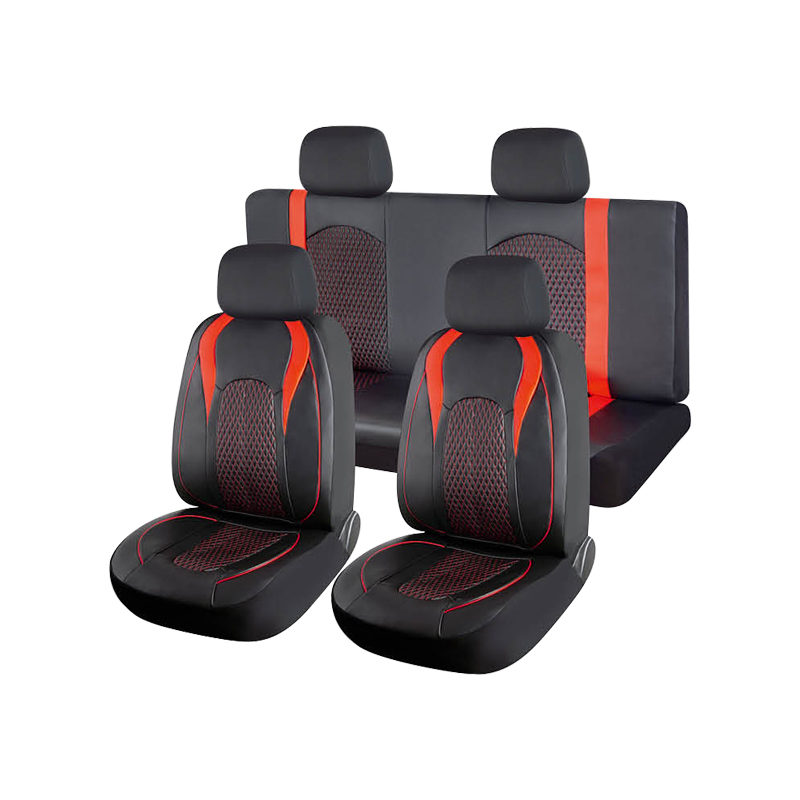
Seasonal Changes and Interior Material Response
Vehicle interiors are directly affected by external weather conditions. In summer months, seat surfaces are exposed to higher temperatures due to sunlight and cabin heat buildup. In winter, materials tend to become firmer, and surface contact feels different due to lower ambient temperatures. These variations influence how seat covers are experienced during daily use.
Car Seat Cover Factory design planning often needs to account for these seasonal differences to ensure that fabric performance remains stable under changing conditions. Materials that feel suitable in one season may behave differently when temperature or humidity shifts occur over time.
Accessories Factory components also play a role in this adaptation process. Fastening systems, padding layers, and auxiliary interior parts may need to adjust tension, thickness, or airflow behavior depending on seasonal requirements. This allows seat cover systems to remain functional across different environmental conditions without requiring complete replacement.
Common seasonal challenges include:
- Heat accumulation during summer driving
- Reduced flexibility of materials in colder temperatures
- Moisture retention during rainy seasons
- Surface condensation in early morning or winter conditions
These factors create the need for adaptable material selection and modular interior systems.
Material Adaptation and Structural Adjustments
Seasonal adaptation in seat cover production often involves adjusting fabric density, layering structure, and surface treatment. Instead of using a uniform material approach throughout the year, different configurations may be applied depending on climate conditions.
In warmer seasons, breathable and lightweight textile structures are commonly used to support airflow and reduce heat buildup. In colder periods, slightly denser materials may be selected to reduce direct cold surface contact and provide a more stable seating feel.
Accessories Factory components are adjusted in parallel. Elastic straps may be modified for tension flexibility, while padding inserts can vary in thickness depending on seasonal requirements. These adjustments help maintain consistent fitting across different environmental conditions.
|
Seasonal Factor |
Material Adjustment Approach |
|
High Temperature |
Lightweight, ventilated fabric layers |
|
Low Temperature |
Denser textile with stable surface contact |
|
High Humidity |
Moisture-resistant surface treatment |
|
Seasonal Transition |
Hybrid fabric combinations |
These variations are not isolated changes but part of an integrated material planning process that considers long-term usability.
Application Scenarios Across Seasonal Driving Conditions
Seasonal material adaptation is applied in multiple driving environments, particularly where vehicles are used throughout the year without interruption. Private vehicles experience direct exposure to outdoor conditions, while commercial and shared transport vehicles operate continuously across different weather cycles.
In summer, seat covers are often selected to reduce heat retention during long parking durations or traffic congestion. In winter, material selection may focus more on maintaining surface stability and reducing stiffness caused by low temperatures.
Ride-sharing vehicles experience frequent passenger turnover across all seasons. This requires seat covers that can adjust to repeated use under changing environmental conditions. Accessories Factory components support this adaptability by allowing quick installation or replacement when seasonal transitions occur.
Fleet operators also consider seasonal material changes when planning maintenance schedules. Instead of replacing entire seat systems, partial updates to covers and accessories are used to match seasonal requirements.
Usage Patterns and Observed Seasonal Behavior
Observations from vehicle use across different seasons show that interior material behavior changes in predictable ways. These patterns help guide how seat covers and accessories are selected and maintained.
Typical seasonal usage patterns include:
- Summer: increased focus on ventilation and heat dispersion
- Winter: preference for stable surface contact and reduced stiffness
- Rainy periods: attention to moisture resistance and quick drying
- Seasonal transition periods: mixed material usage for gradual adaptation
In practical applications, users often adjust seat cover configurations at the beginning of seasonal changes rather than during peak weather conditions. Accessories Factory components such as modular straps and removable padding allow these adjustments to be completed without extensive installation steps.
Example seasonal material behavior reference
|
Season |
Seat Surface Behavior |
Common Material Adjustment |
|
Summer |
Heat accumulation faster |
Lightweight breathable layers |
|
Winter |
Surface feels firmer |
Denser textile structure |
|
Rainy Season |
Moisture exposure increases |
Water-resistant coatings |
|
Spring/Autumn |
Mixed conditions |
Hybrid fabric use |
These observations reflect general usage trends in vehicle interior maintenance planning.
 +86 576-83710338
 +86 576-83711188
 No.1 Market Road,Tantou Industrial Zone,Tiantai County, Taizhou City, Zhejiang, China
